InfoX
NS ÖTZTAL
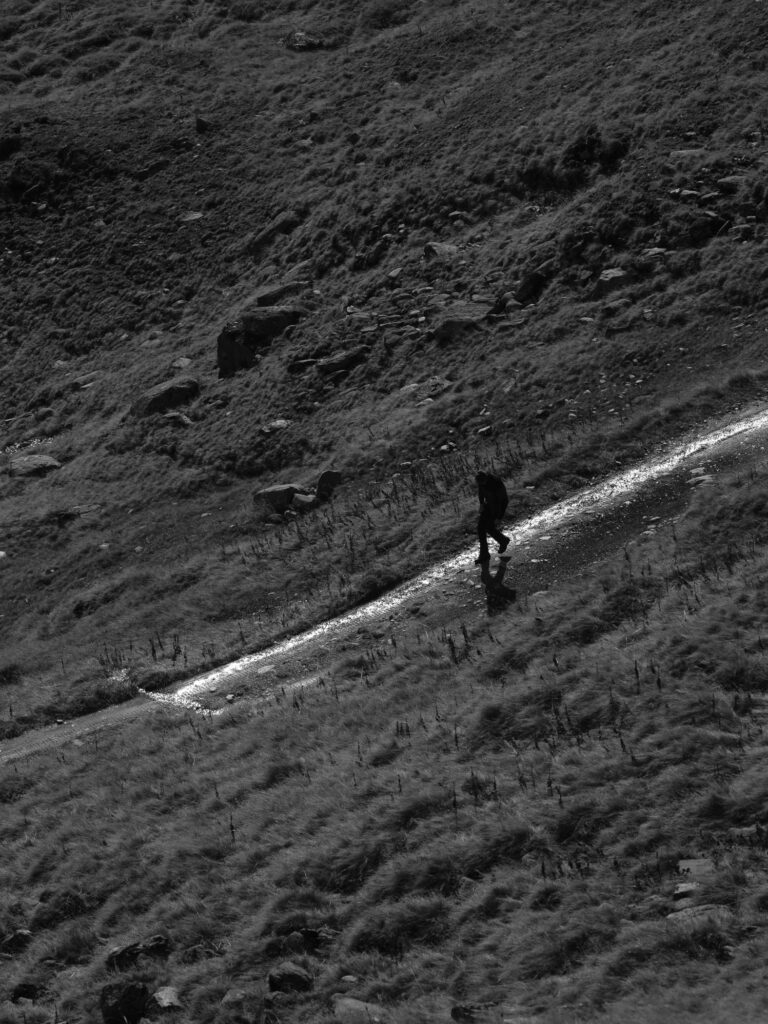
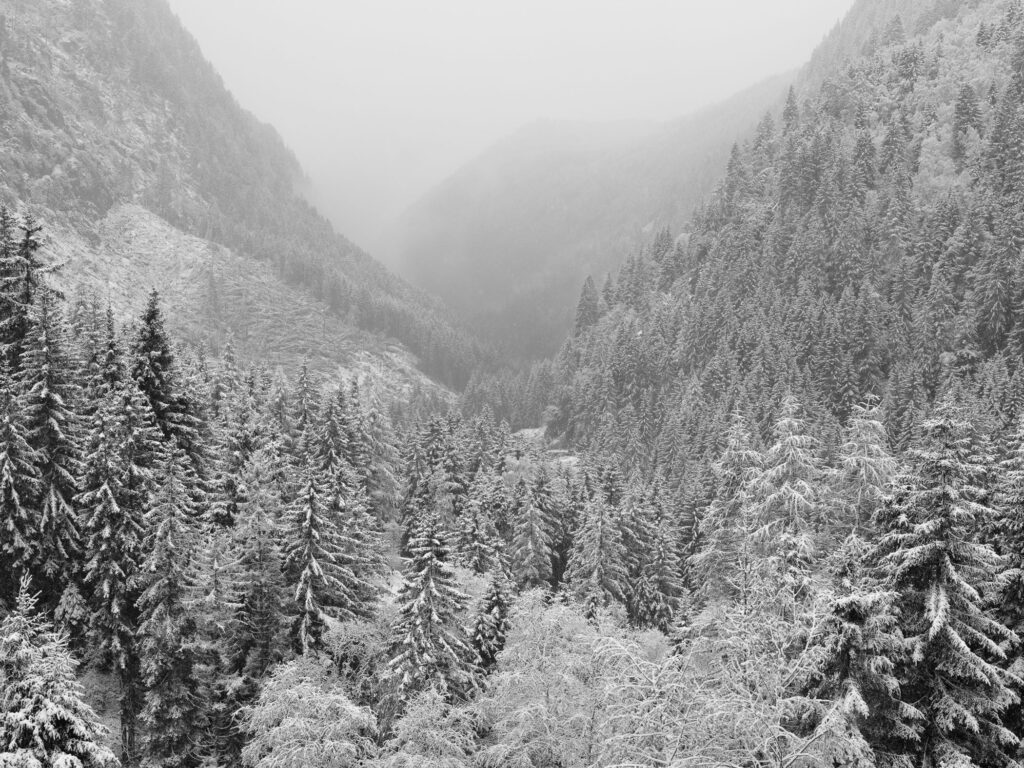
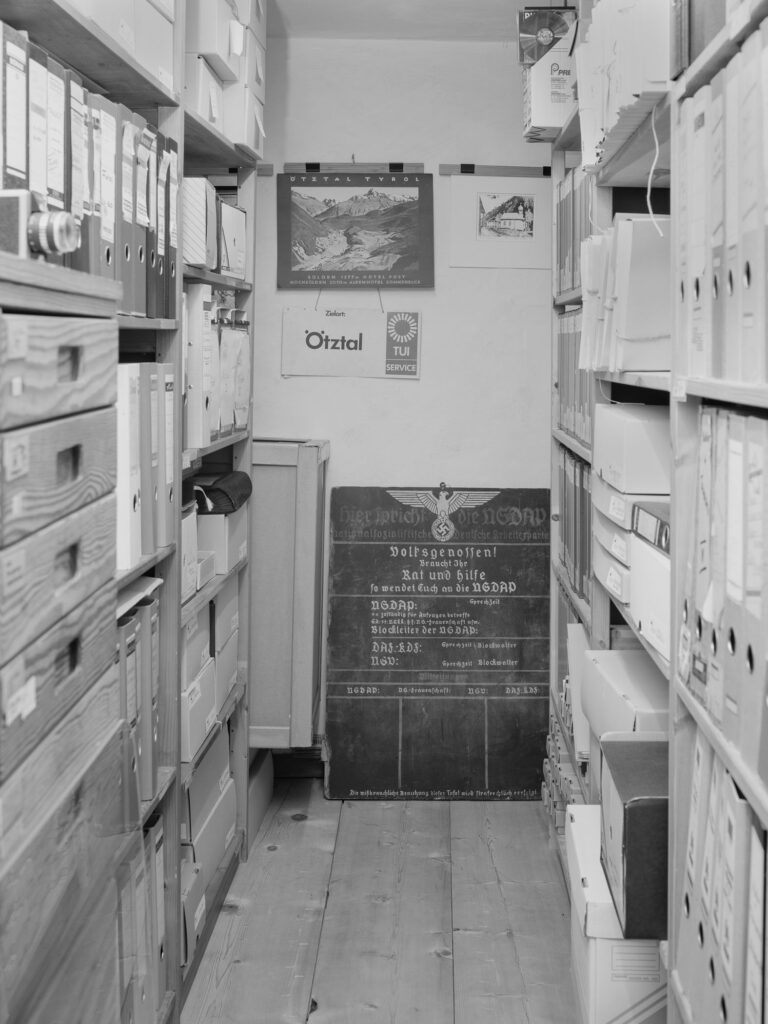
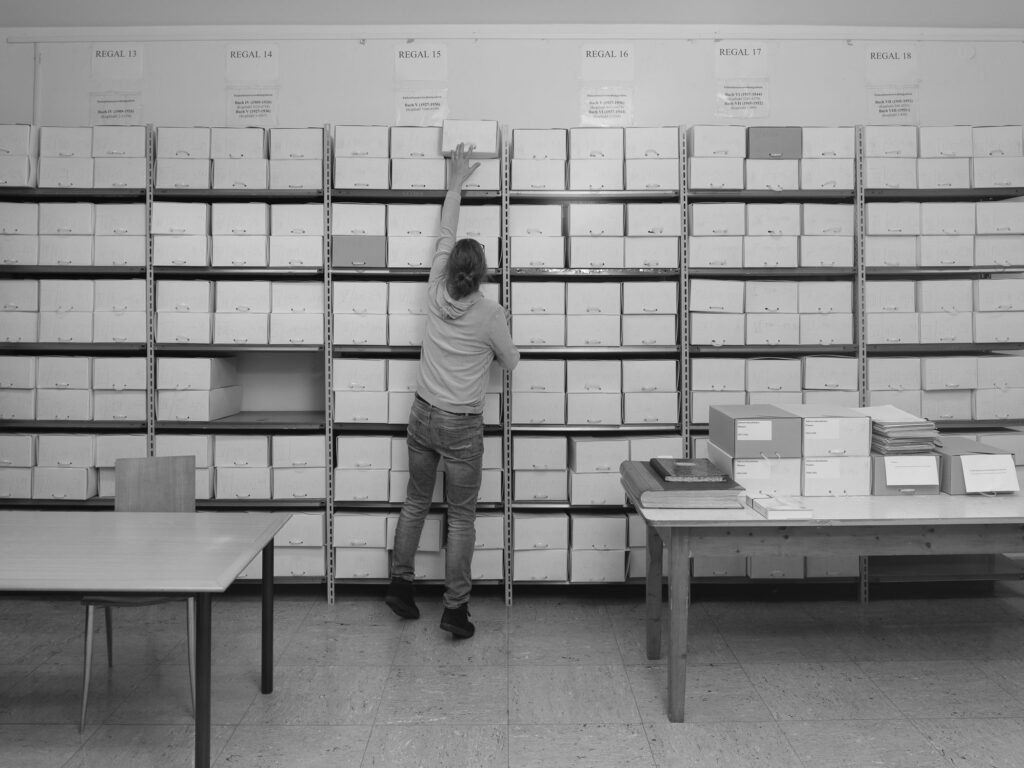
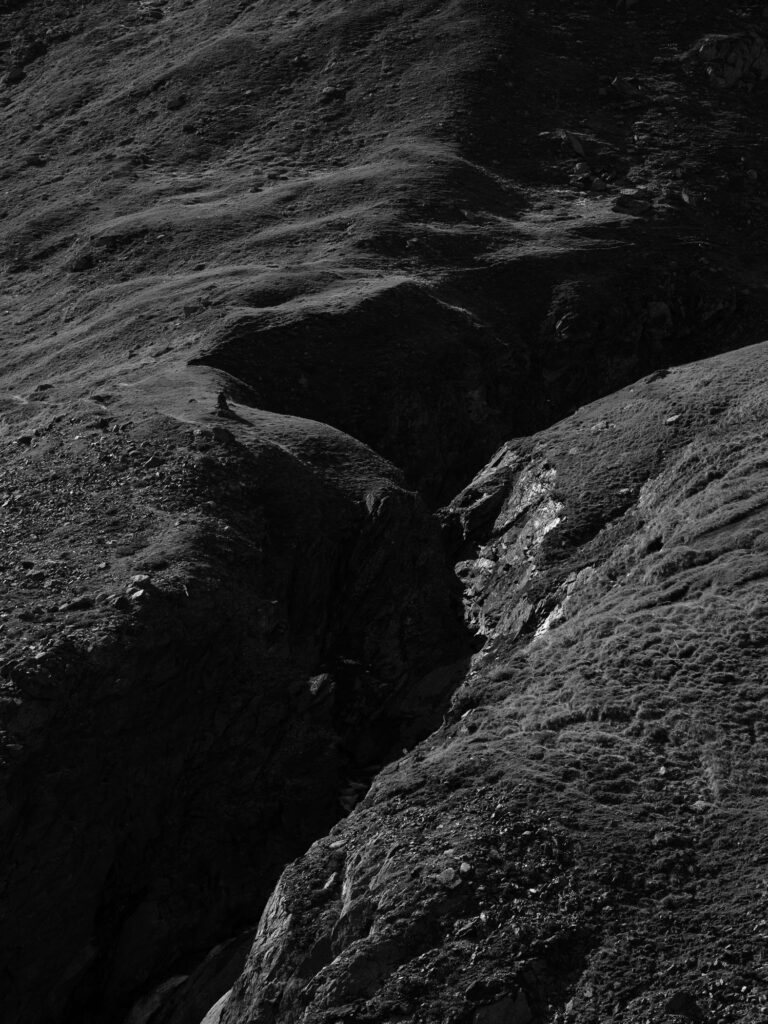
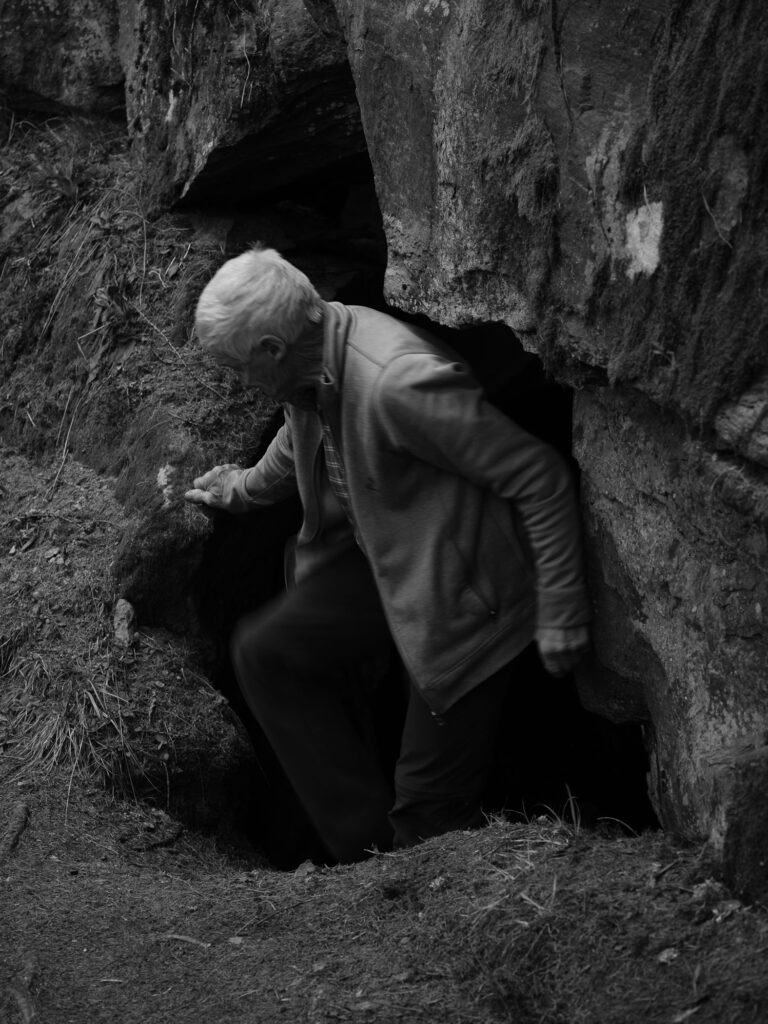
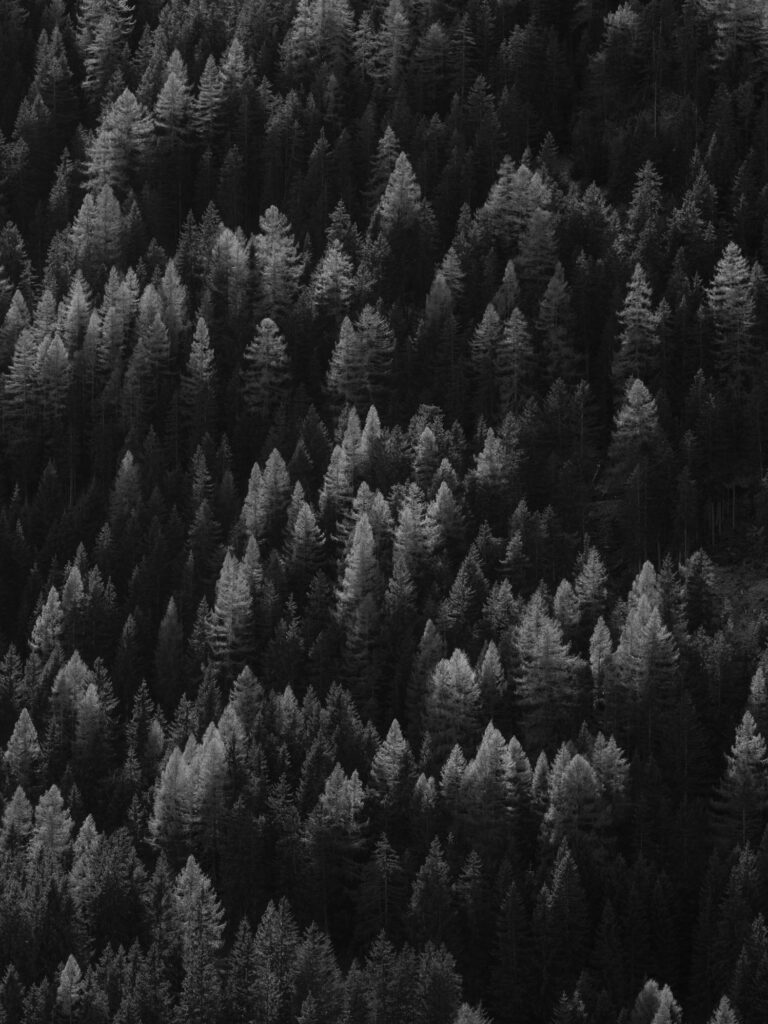
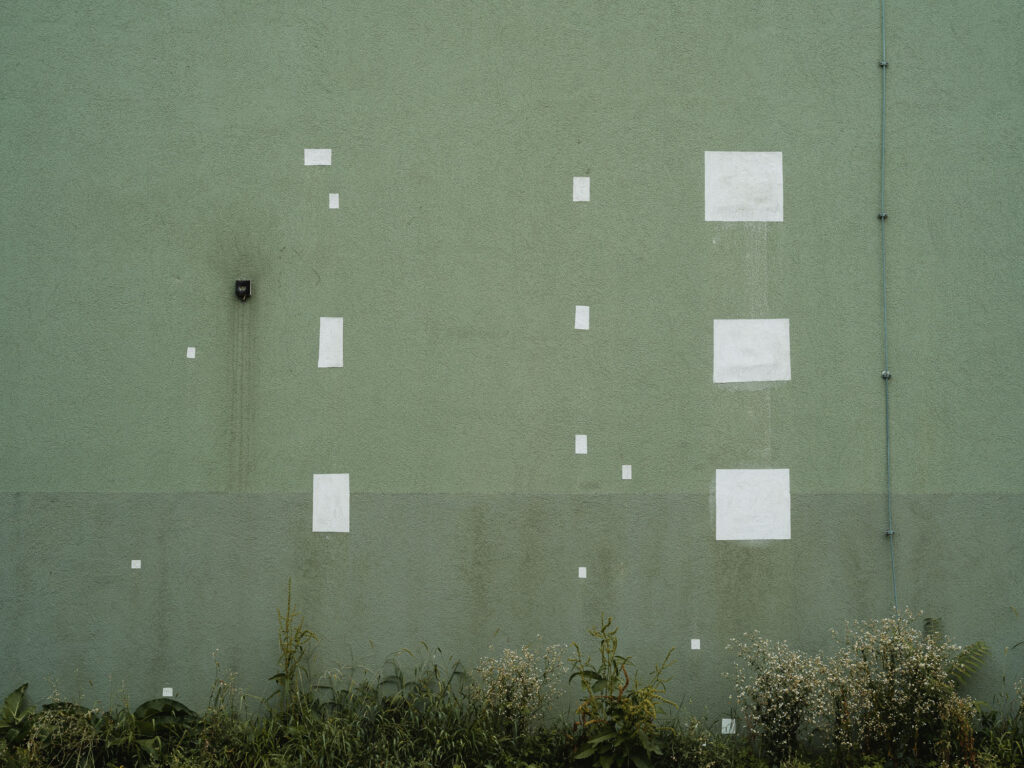
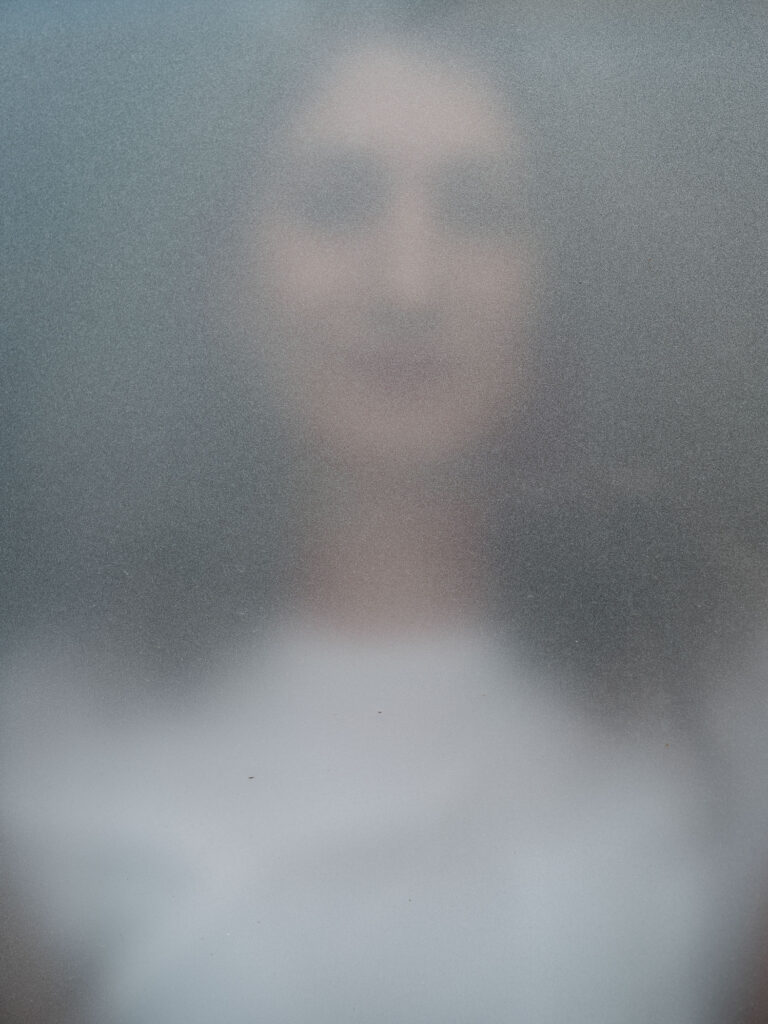
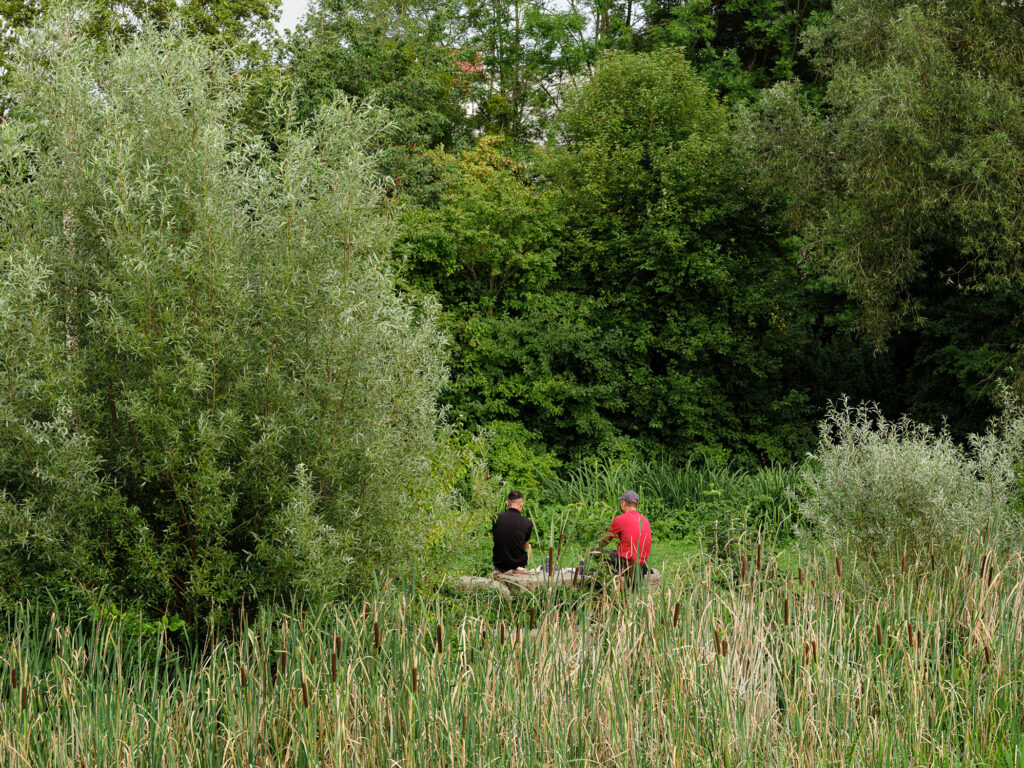
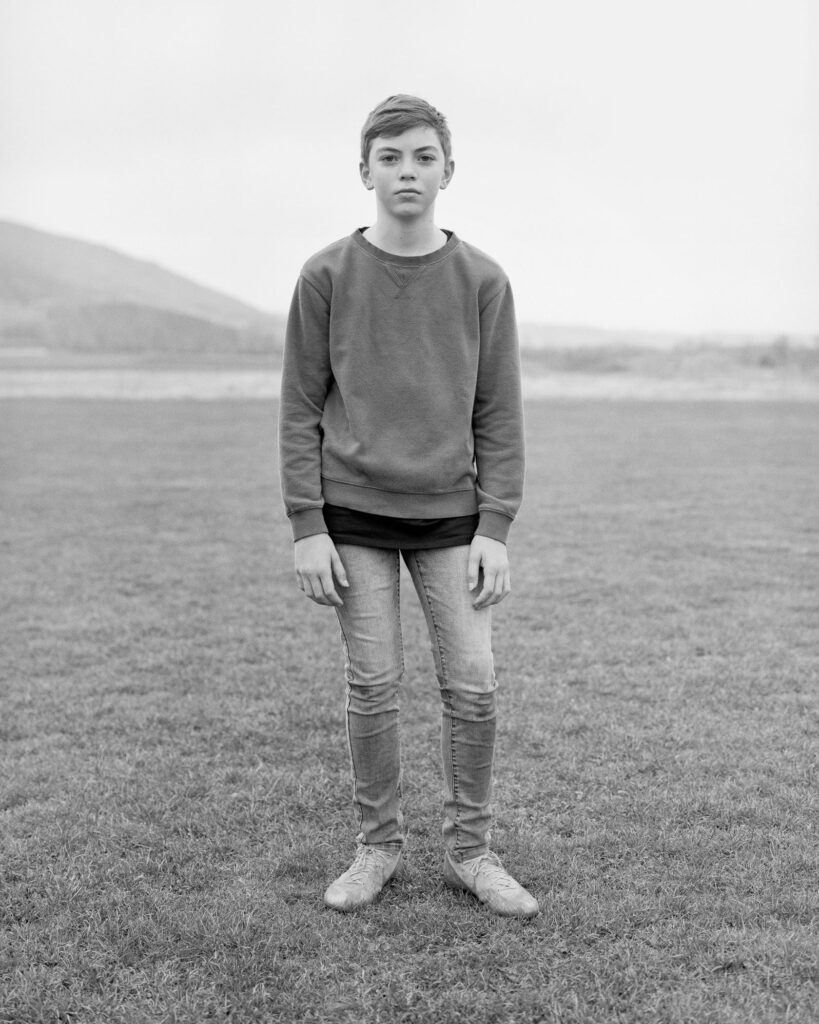
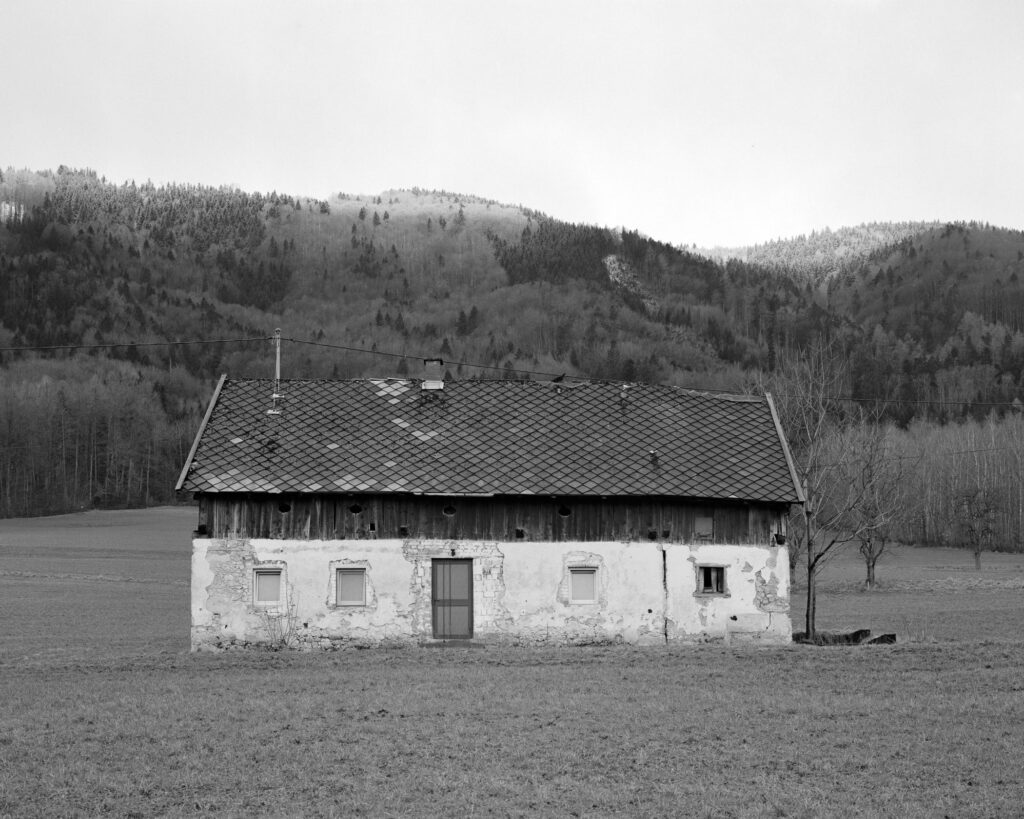
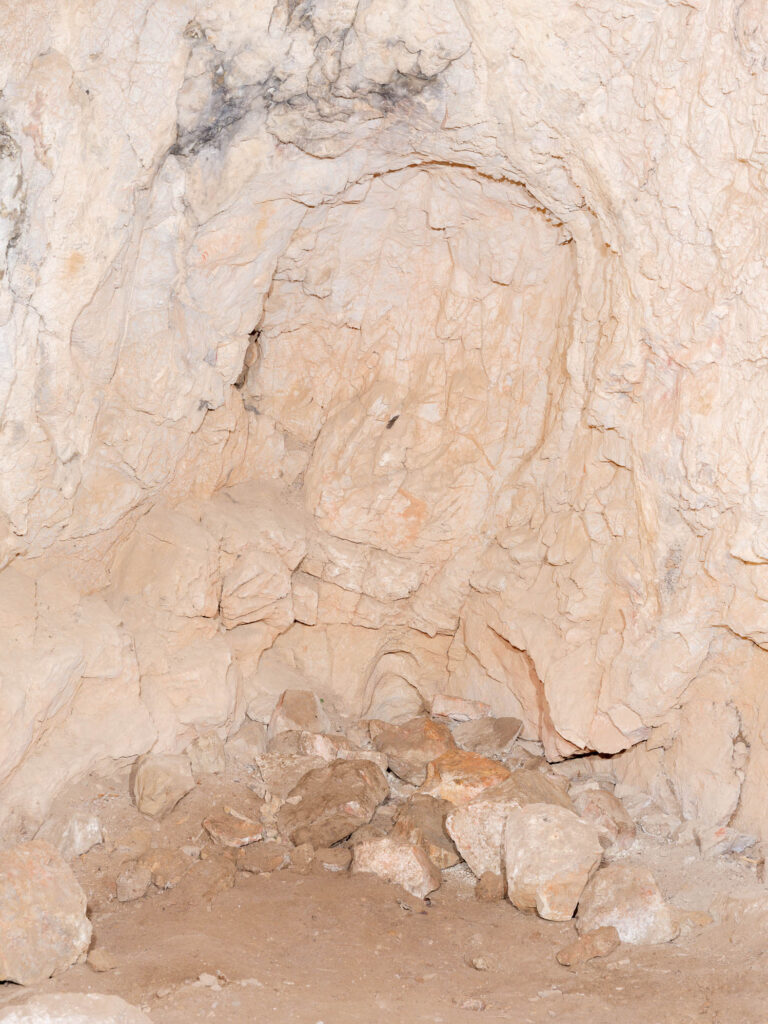
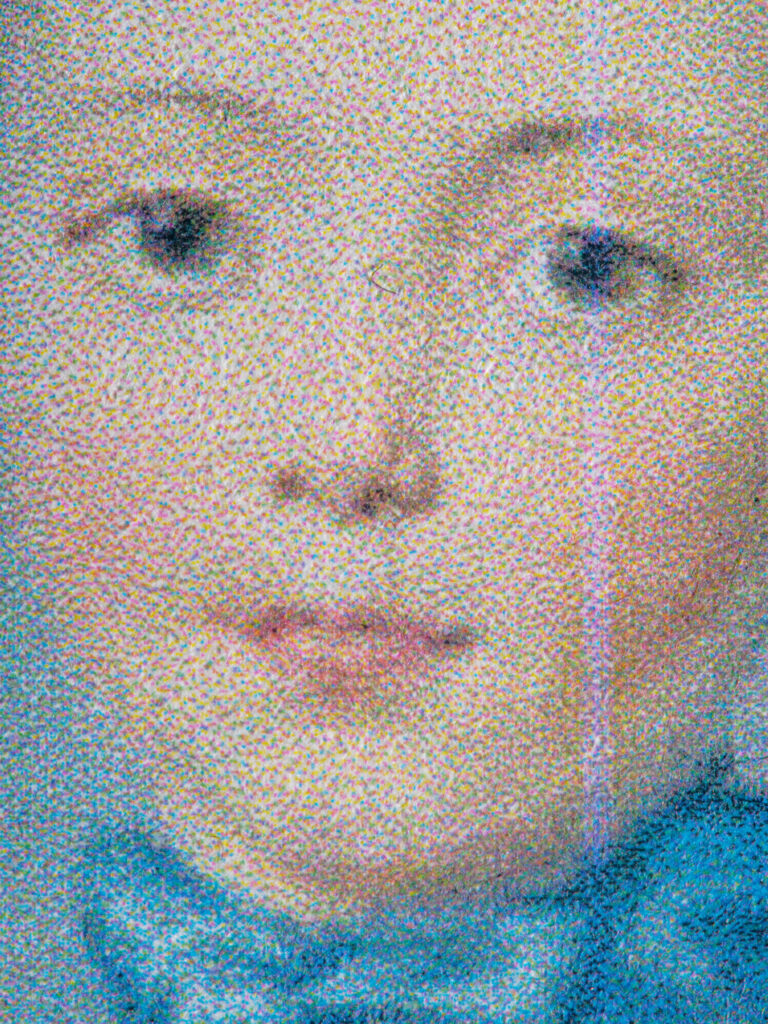
History is never far away. It lay in archives, cellars, stories, place names, family histories, museum storage rooms, and in the landscape through which I had walked myself.
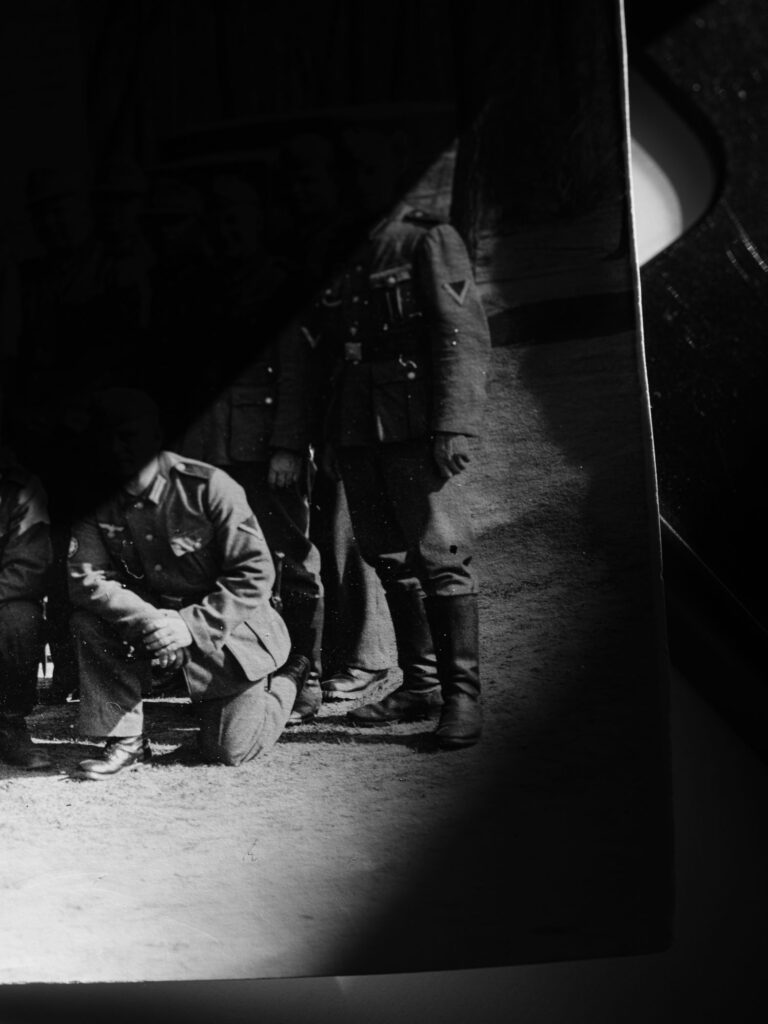
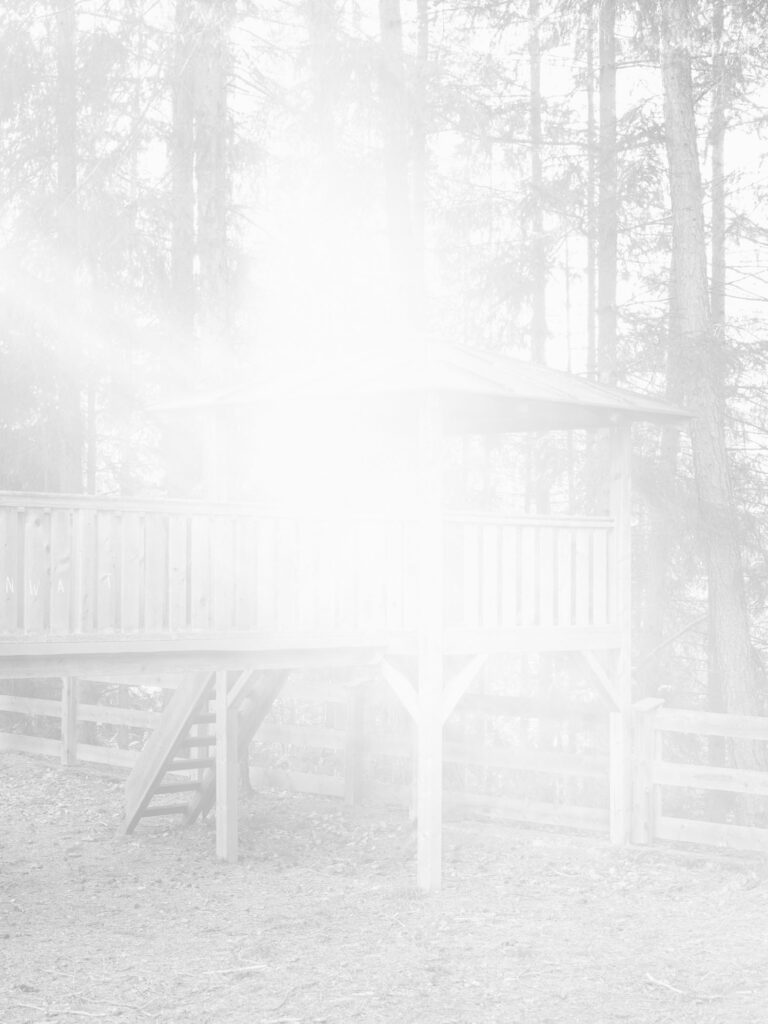
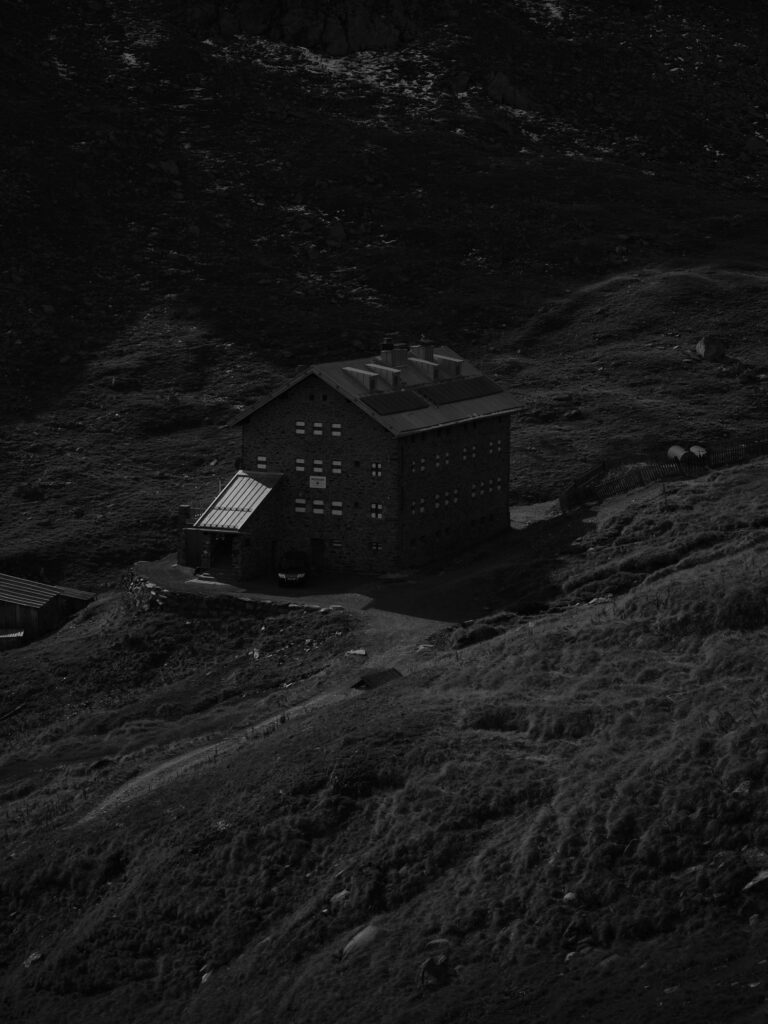
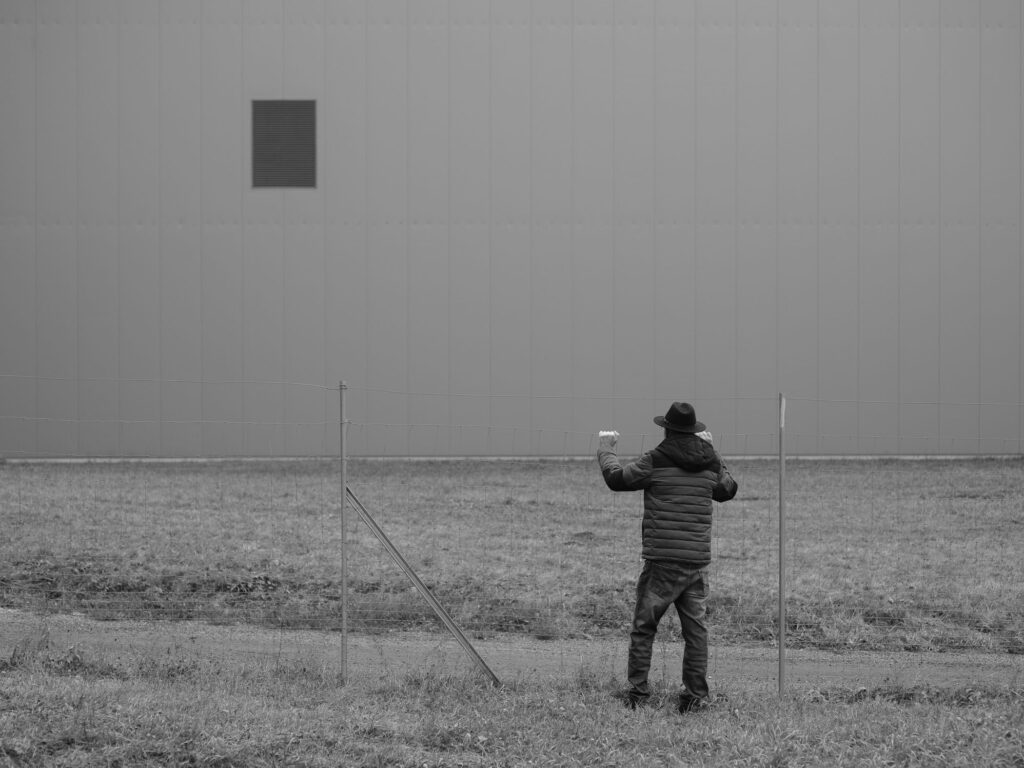
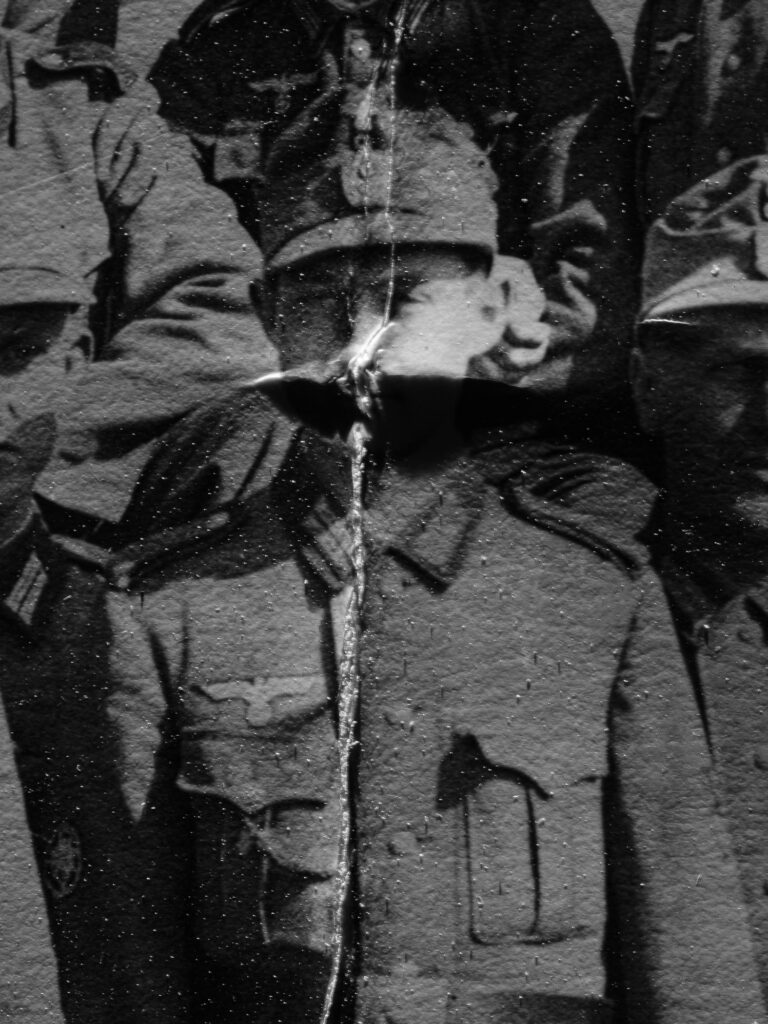
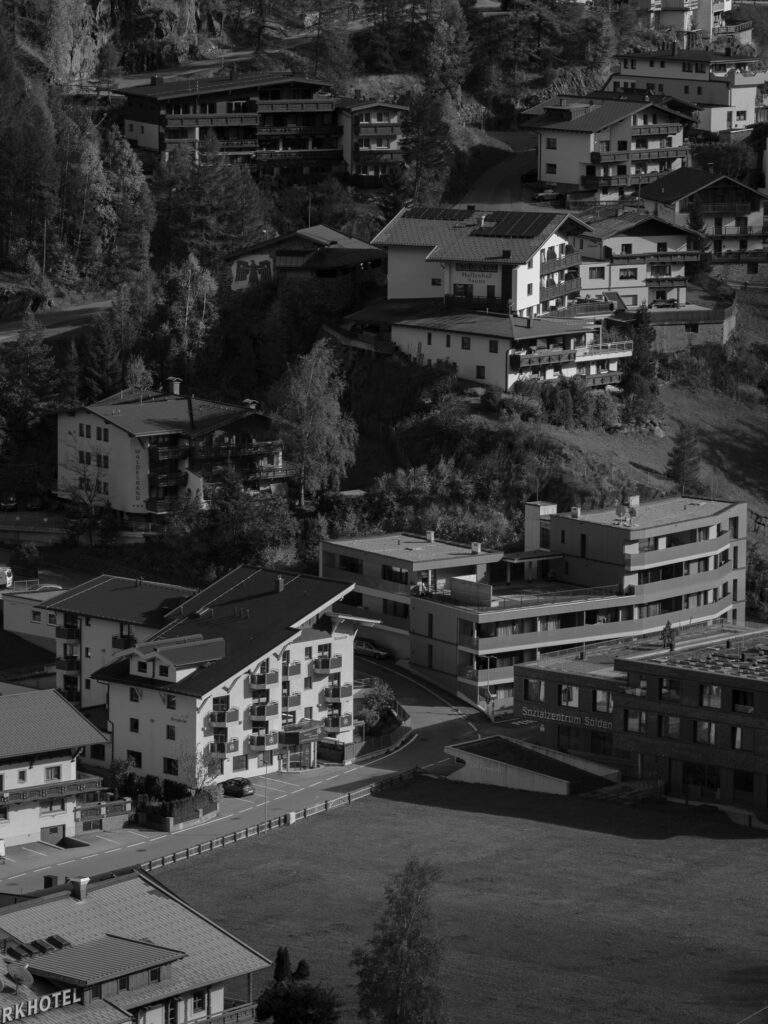
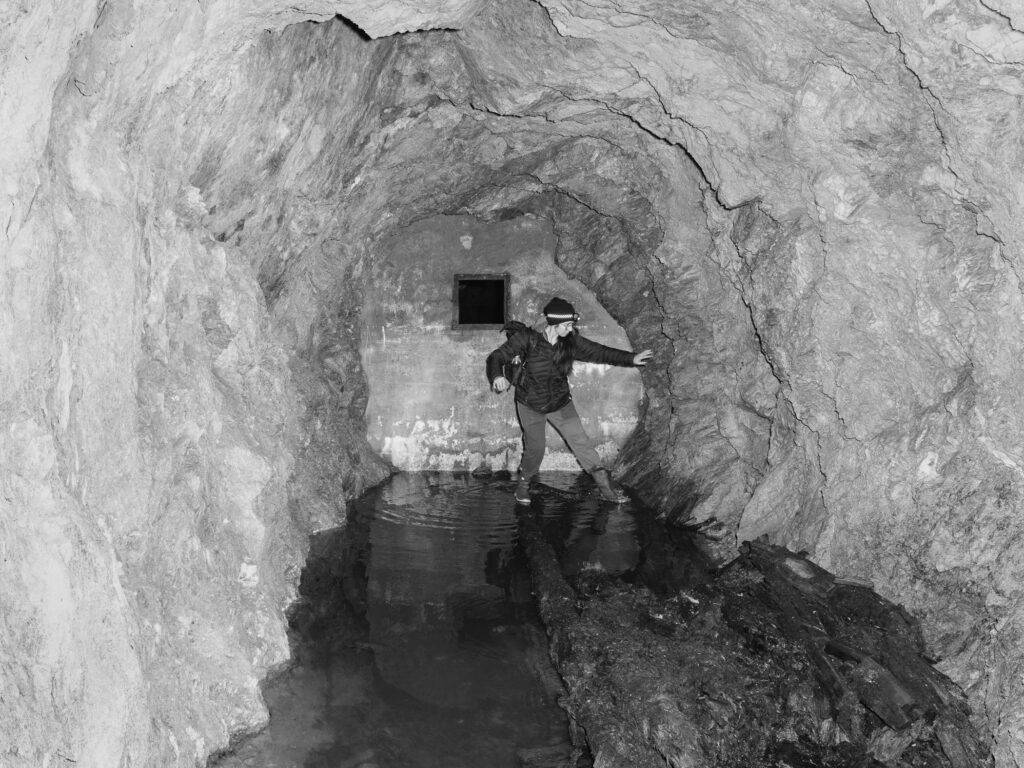
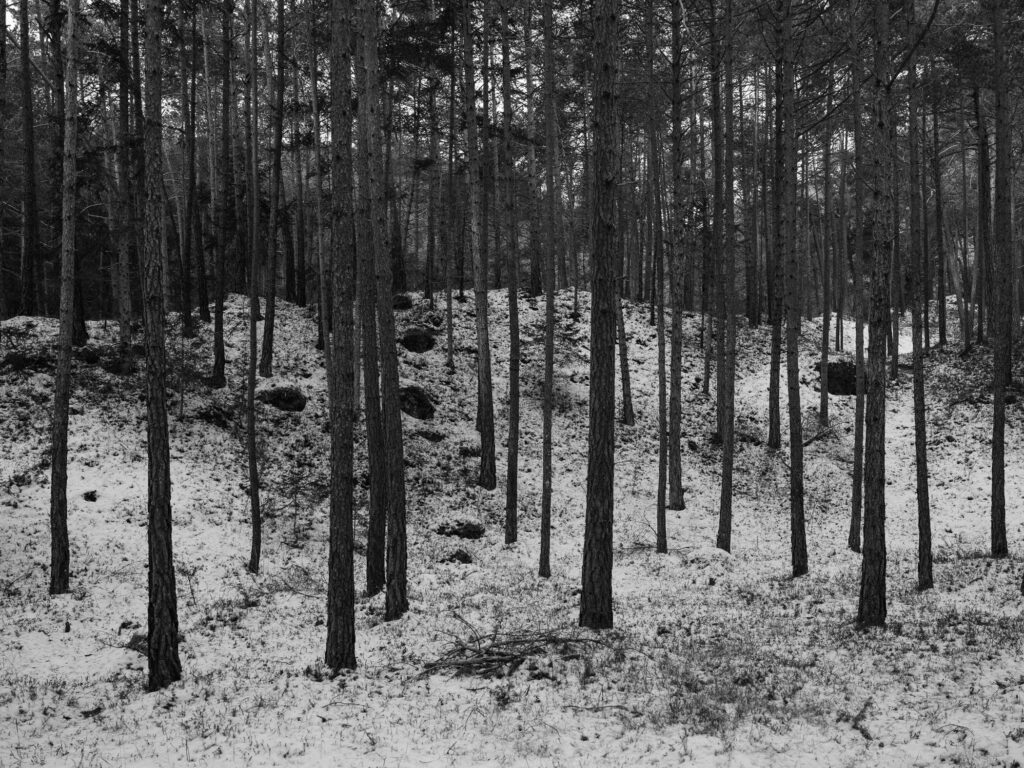
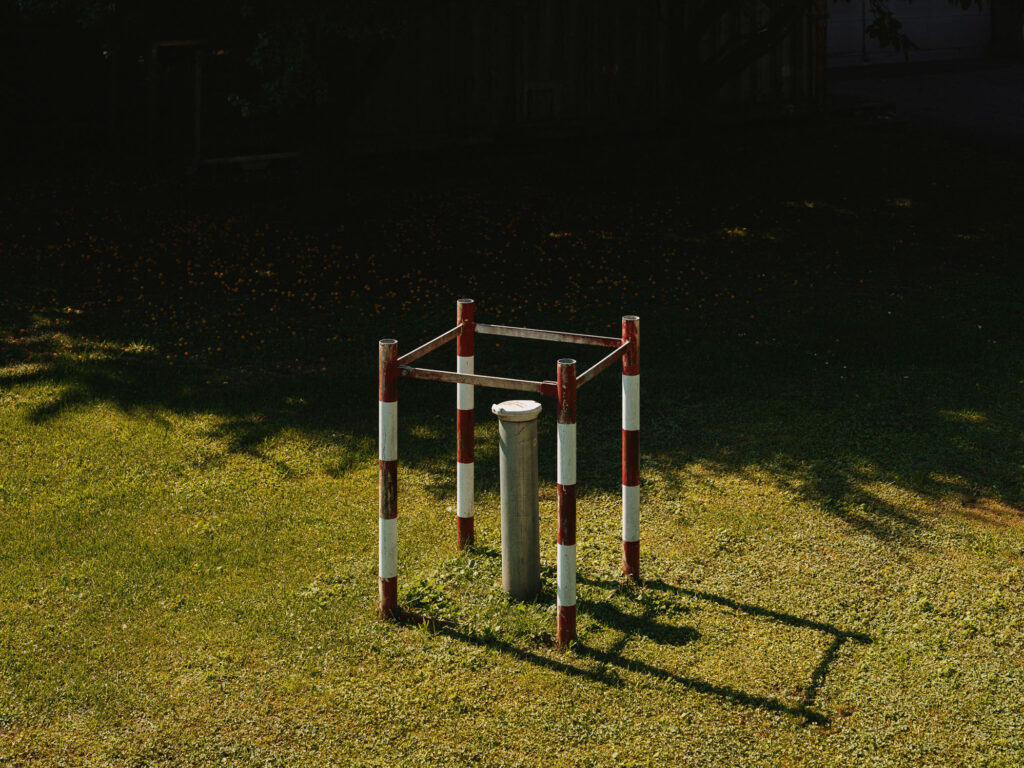
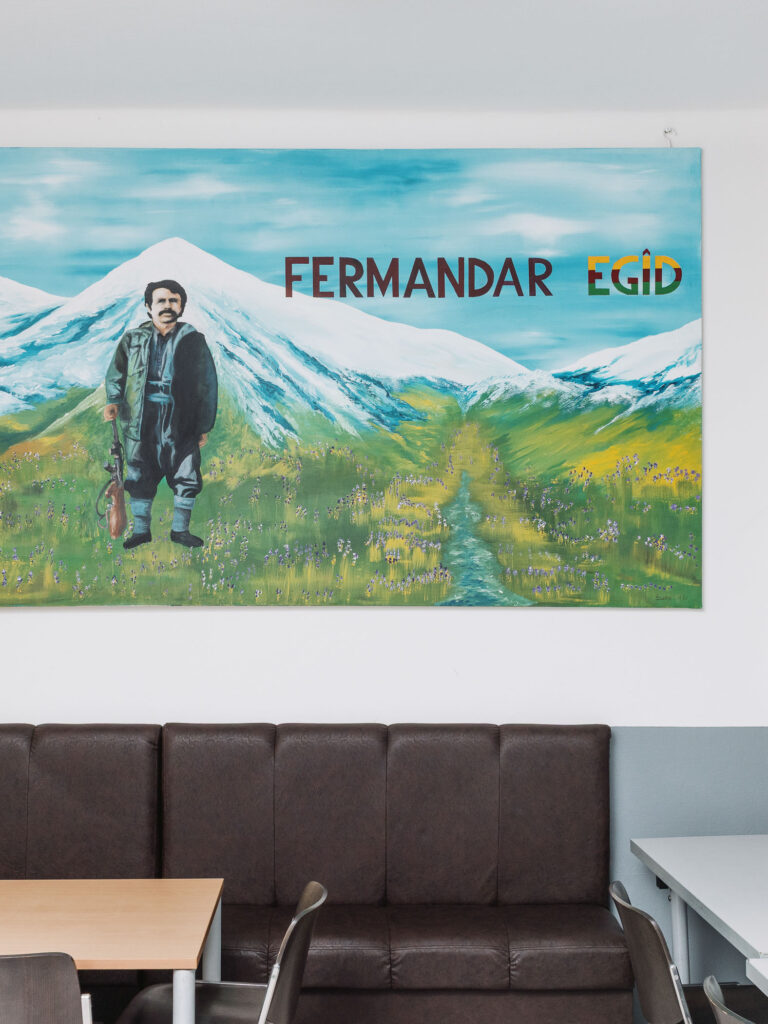
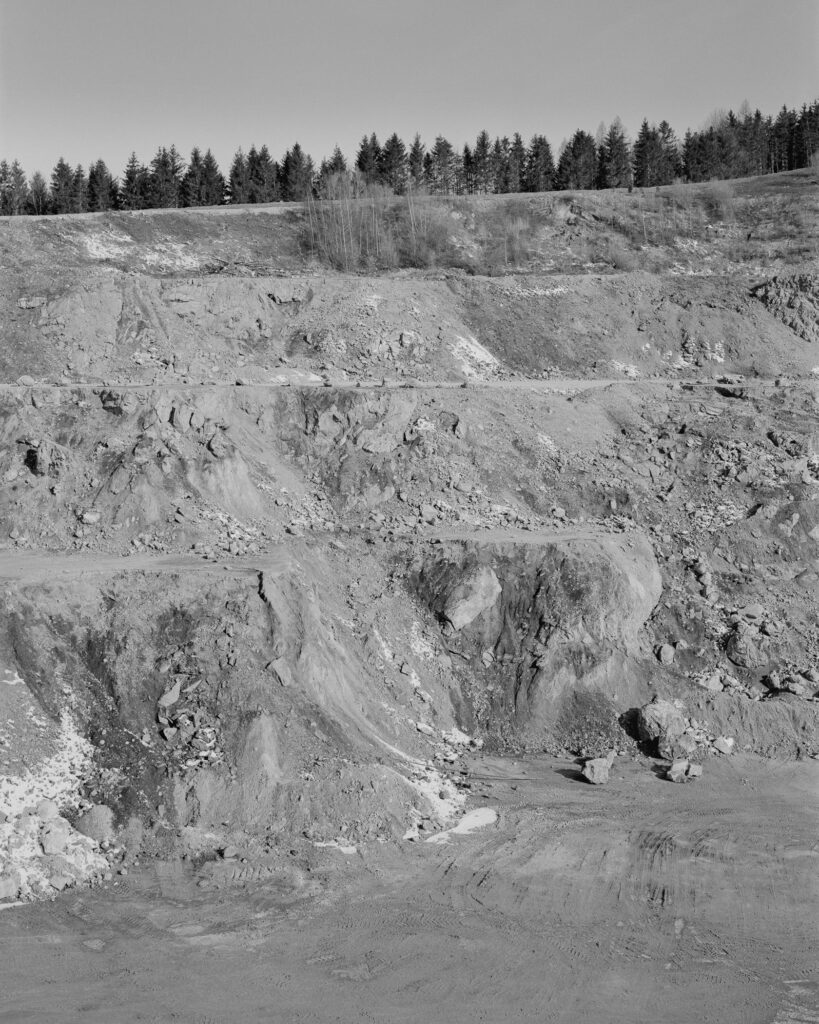
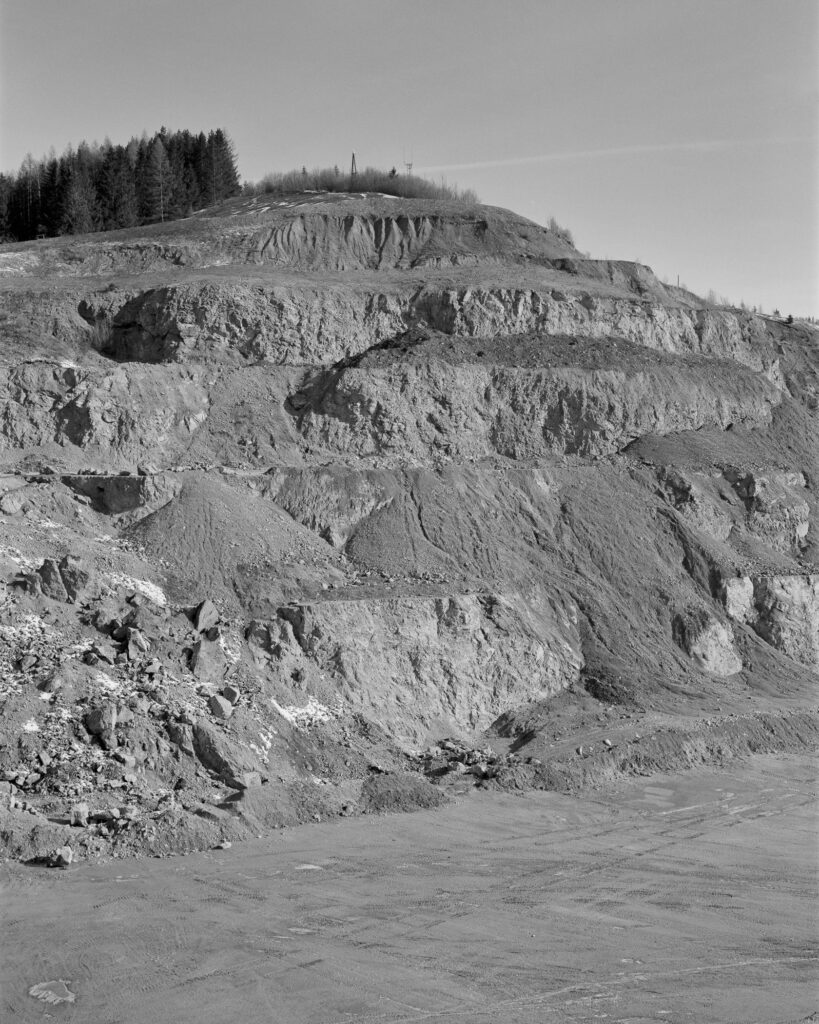
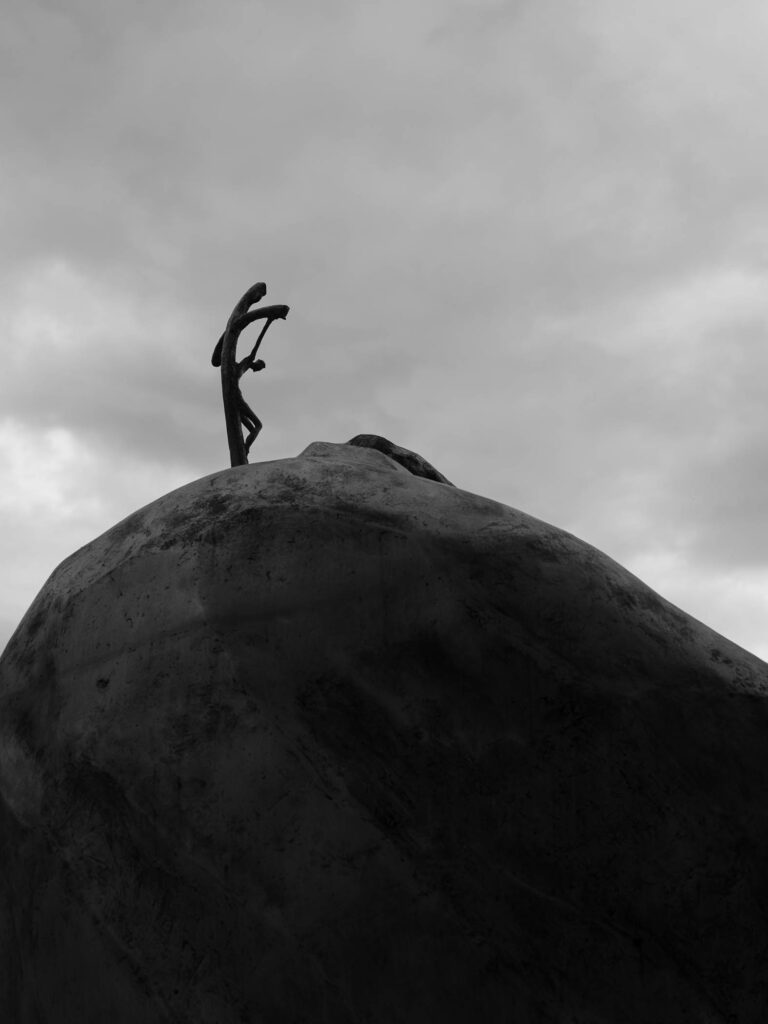
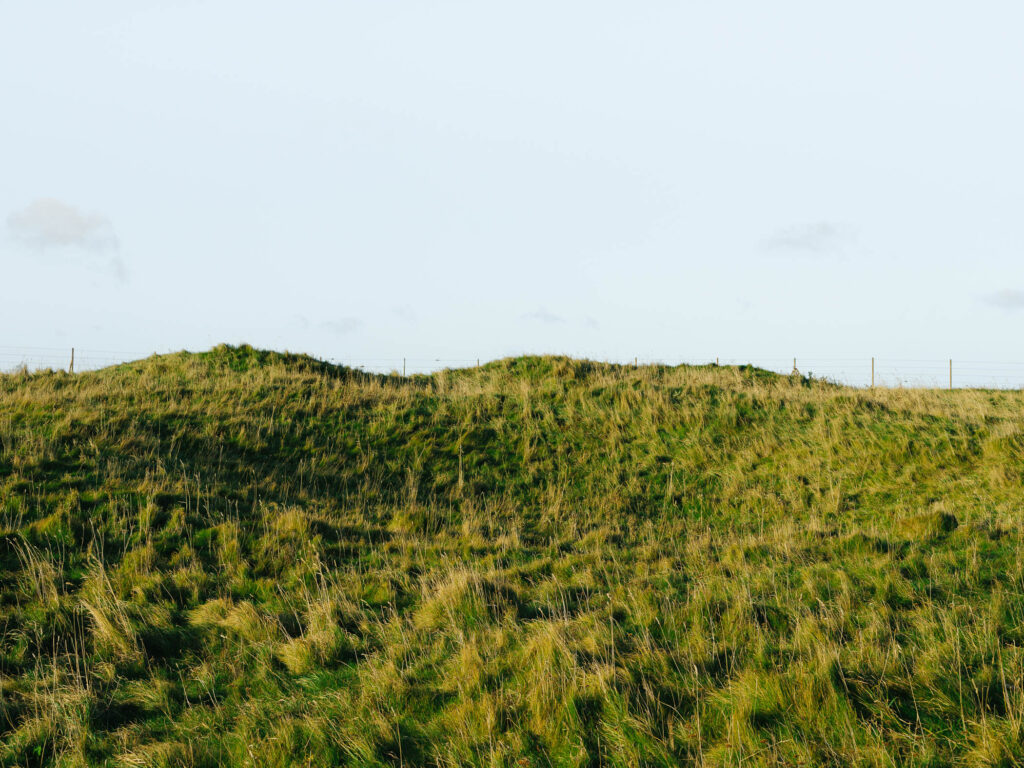
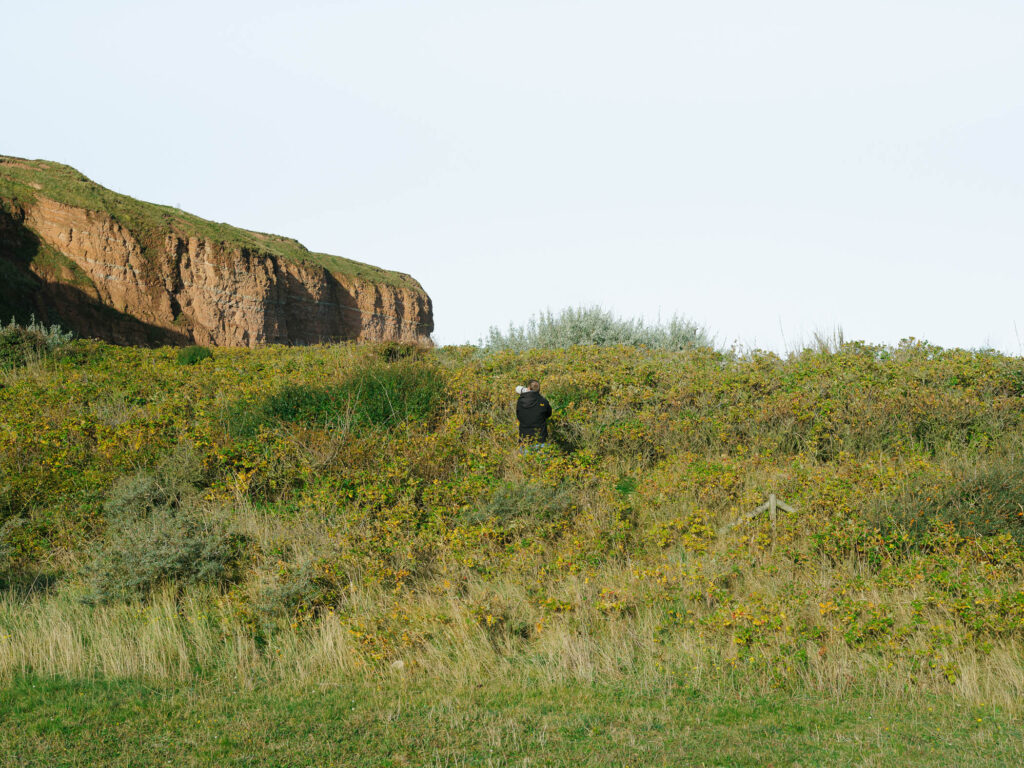
This work was created as a commission for the Ötztaler Museen and deals with local traces of National Socialism in the Ötztal. I was interested in how such a past becomes visible in a specific valley. What remains? What is told? What is preserved? What disappears in the gaps between documents?
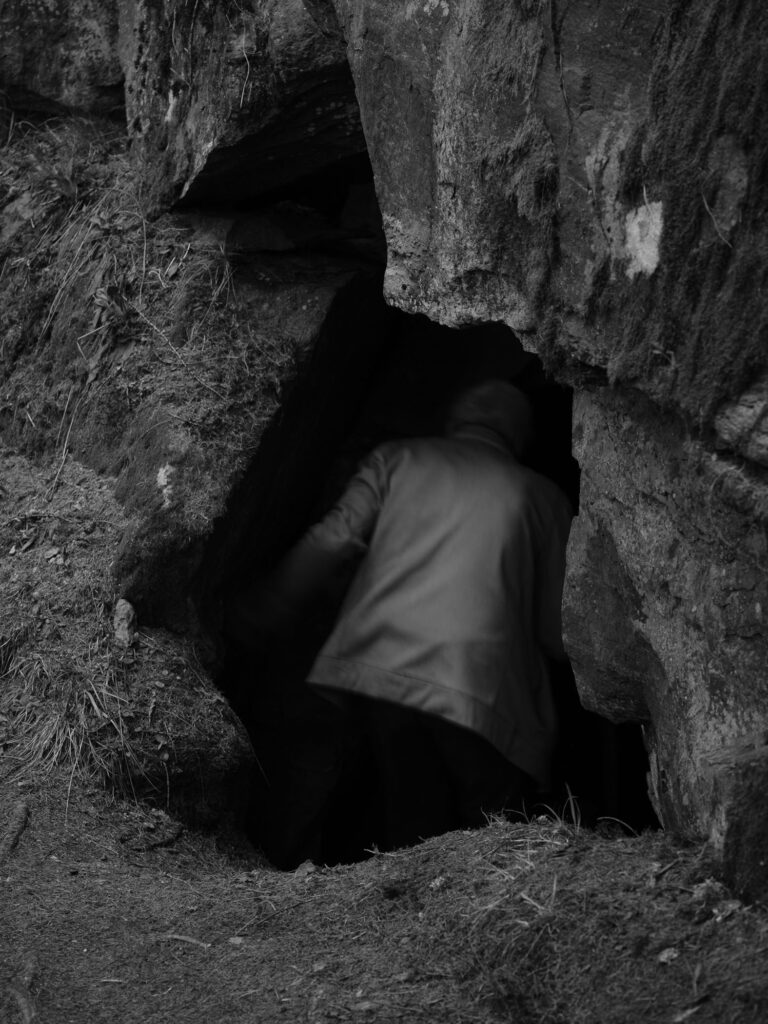
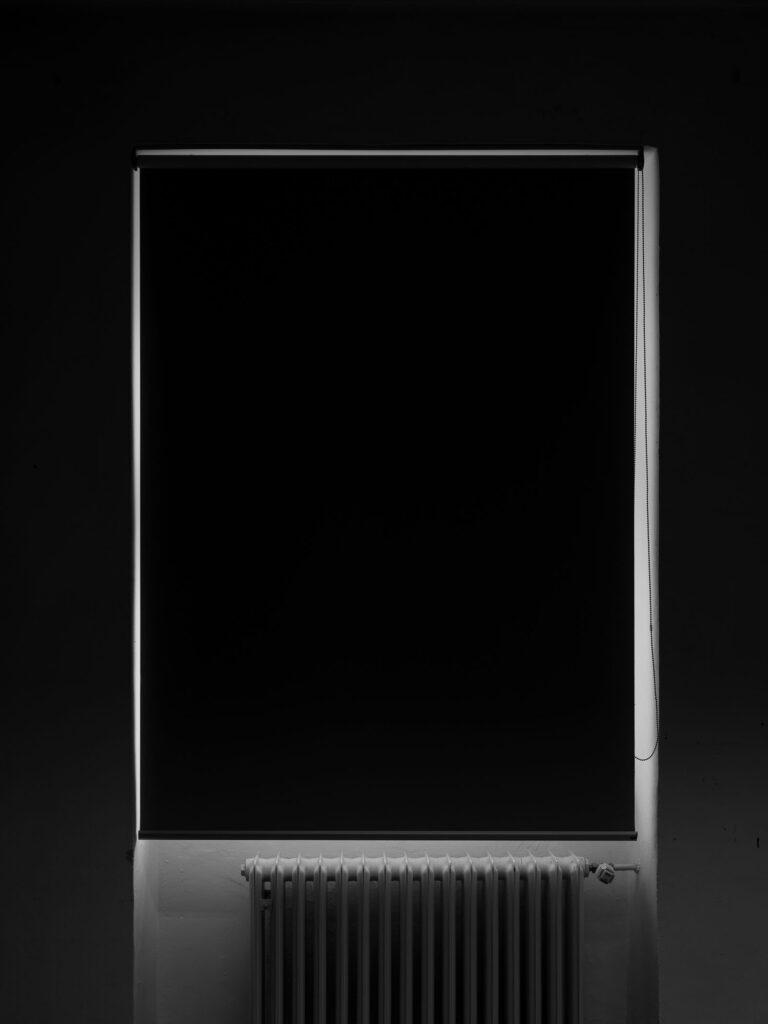
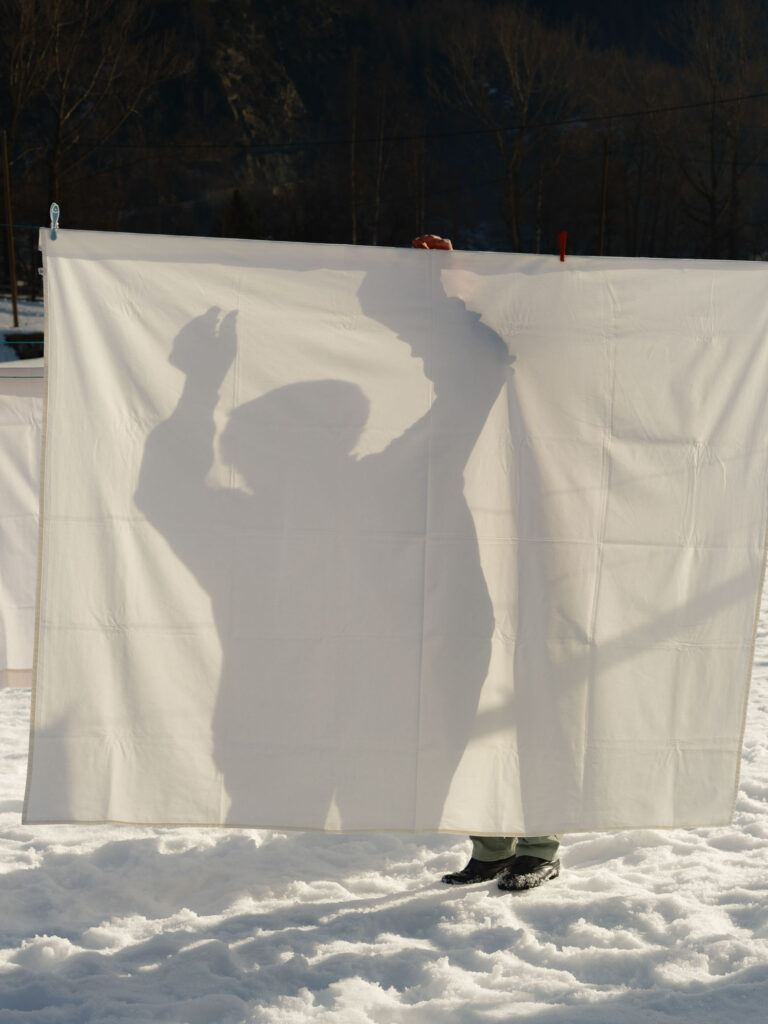
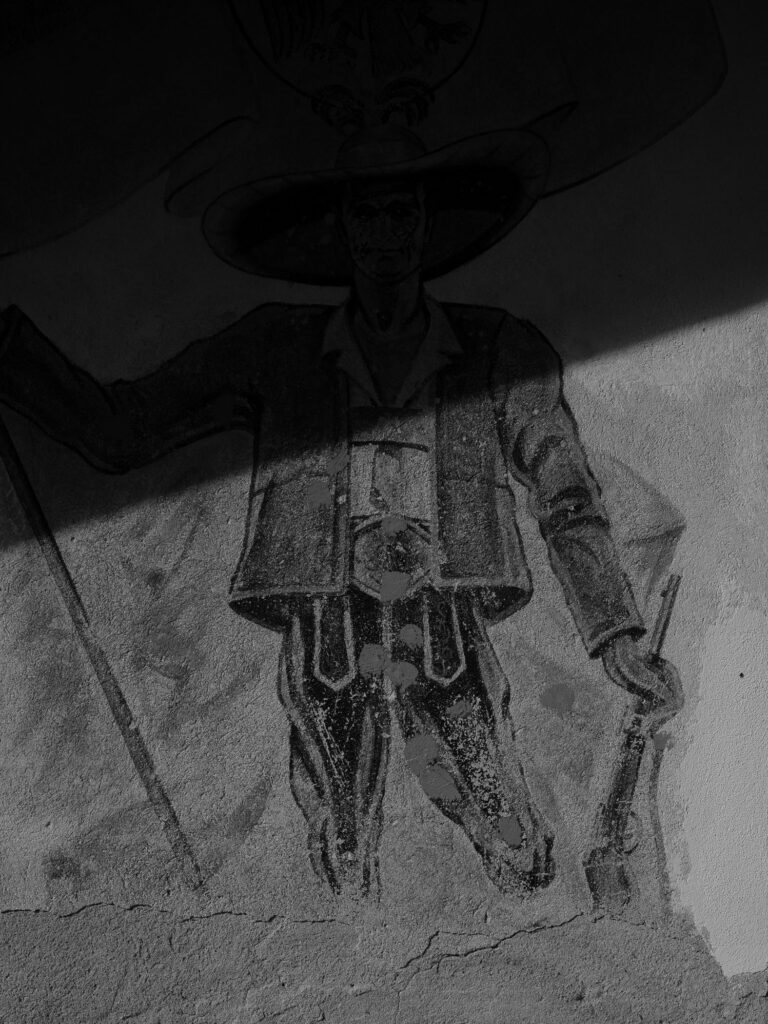
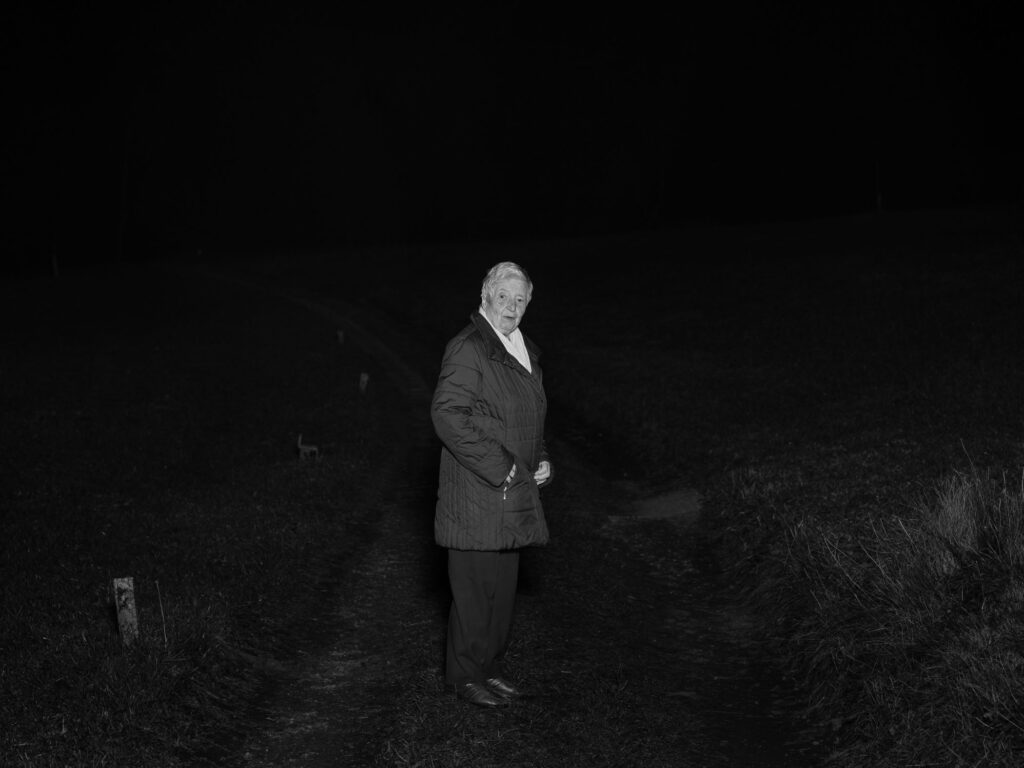
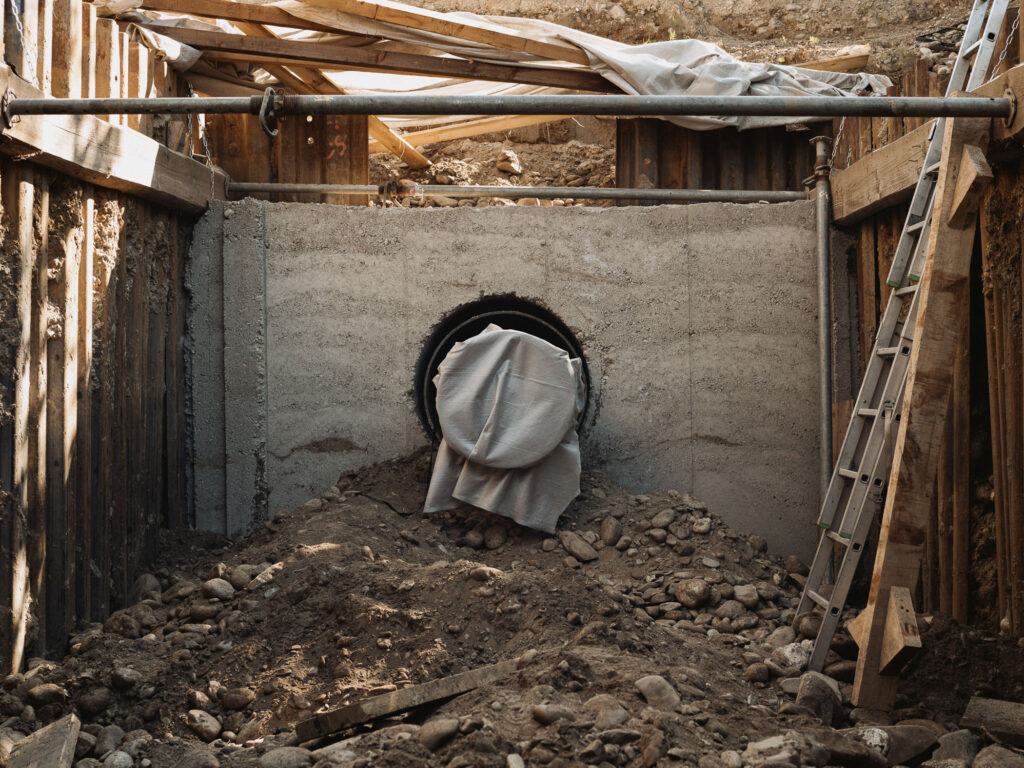
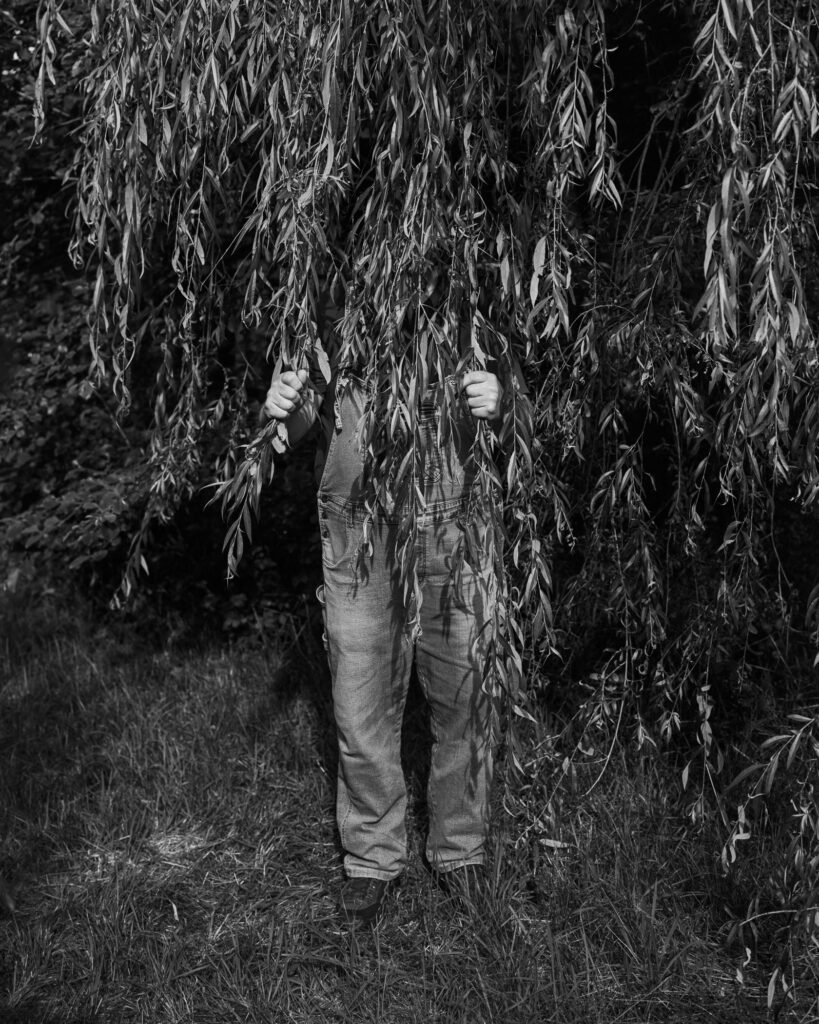
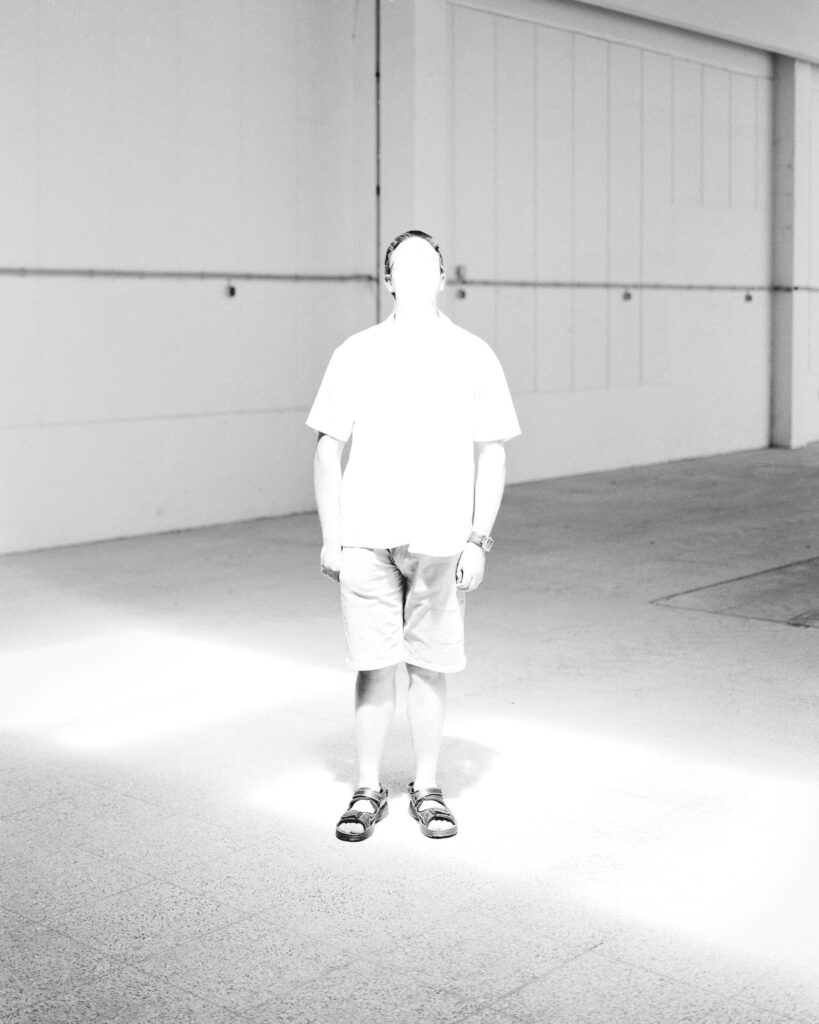
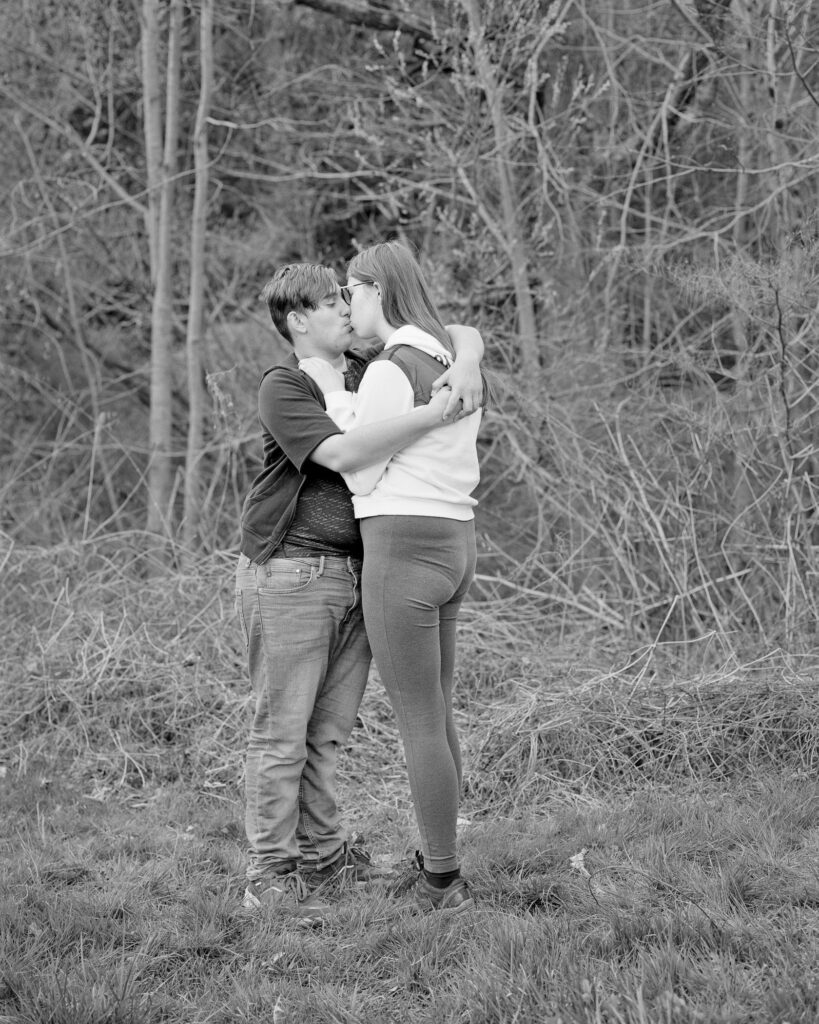
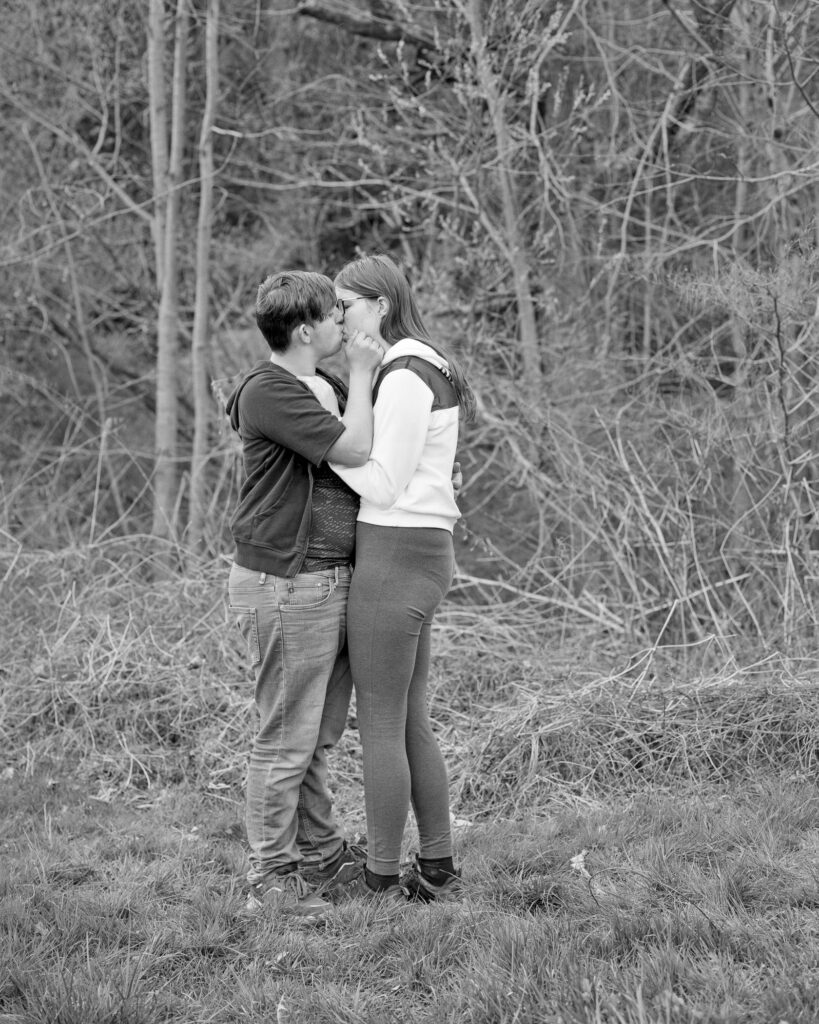
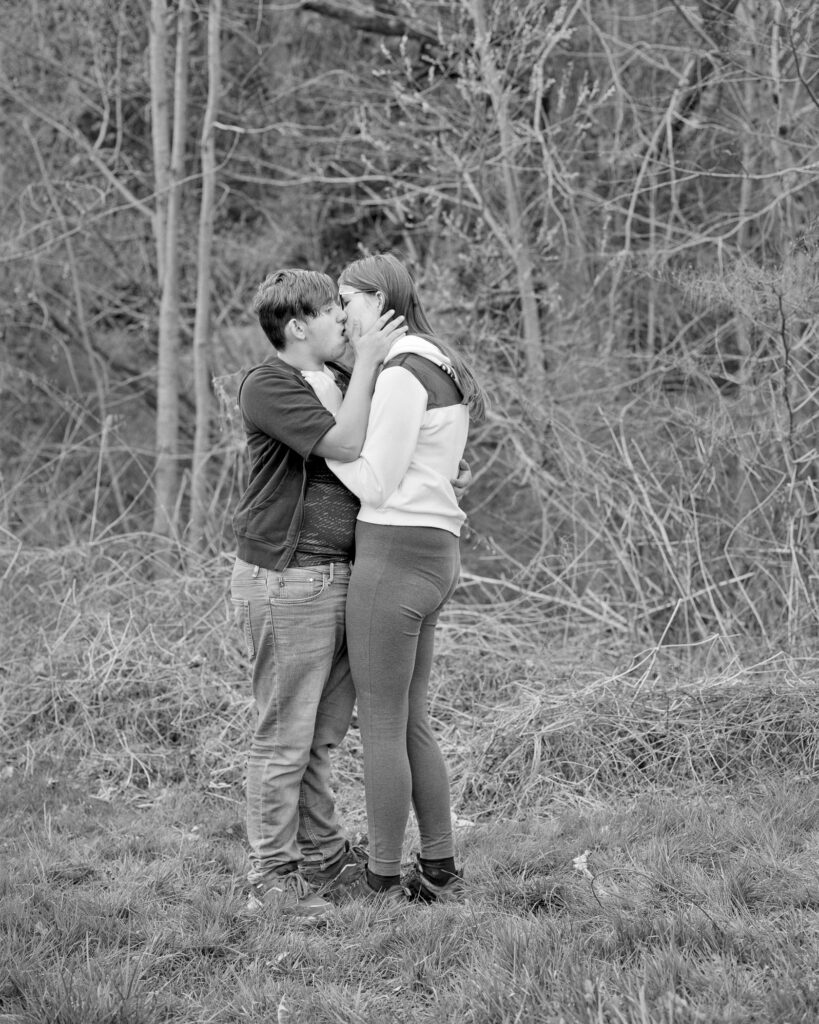
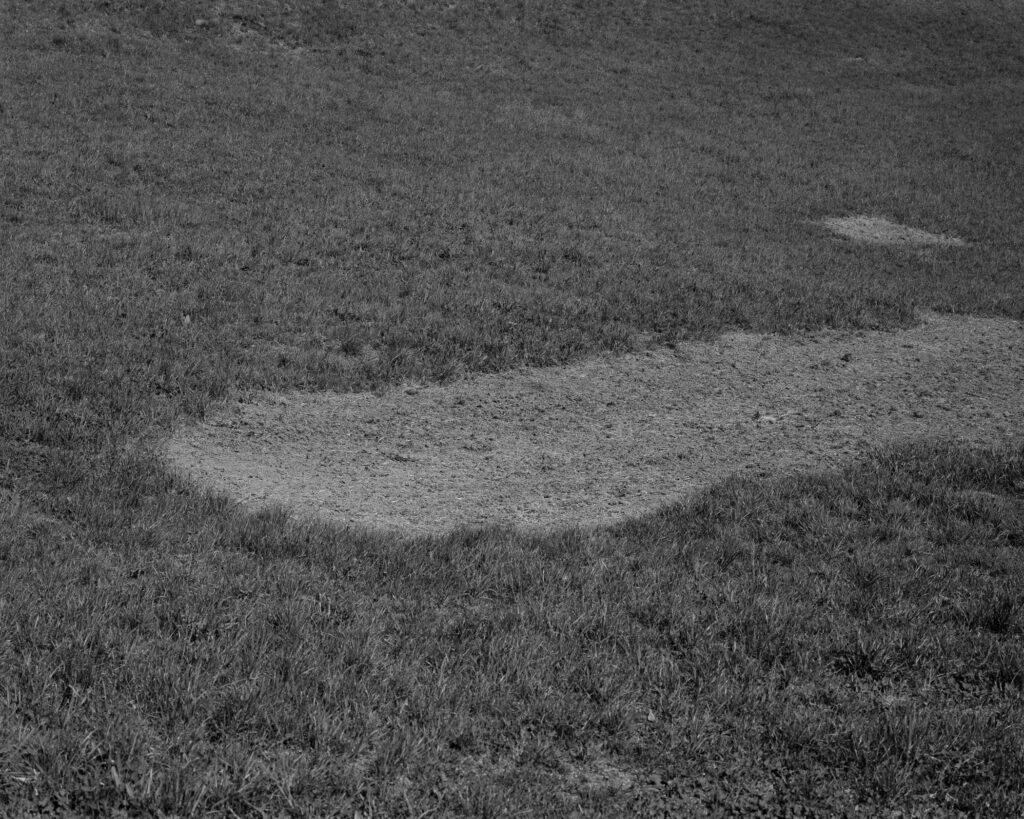
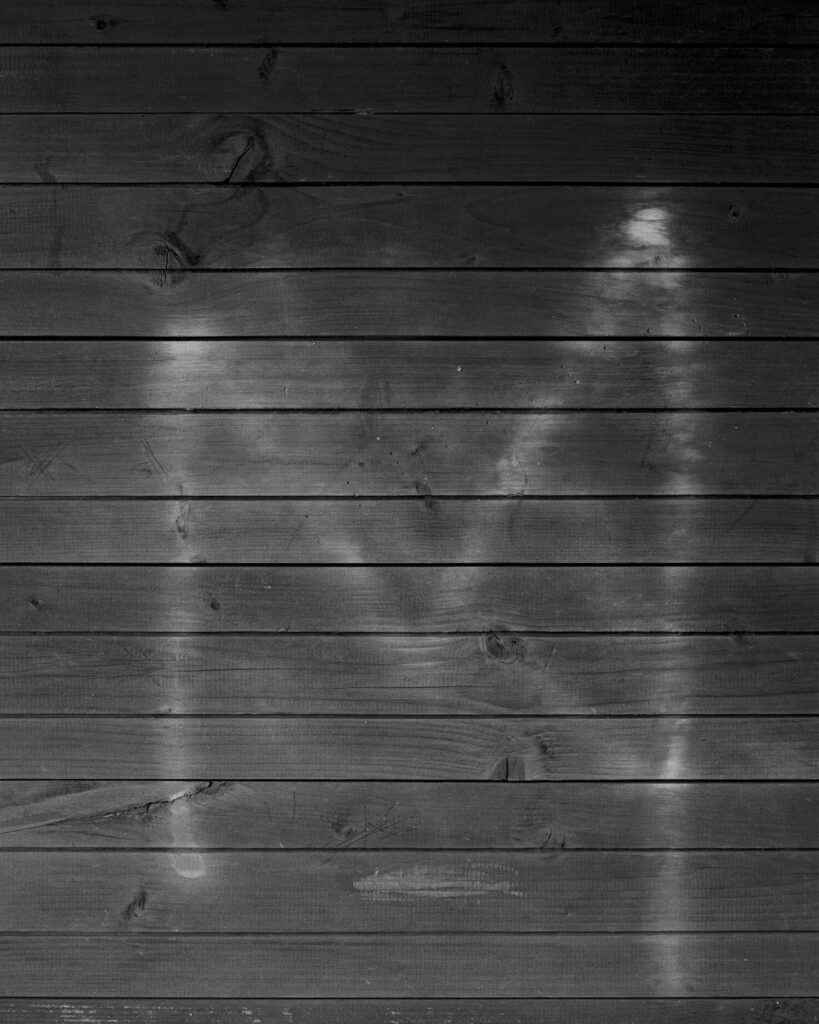
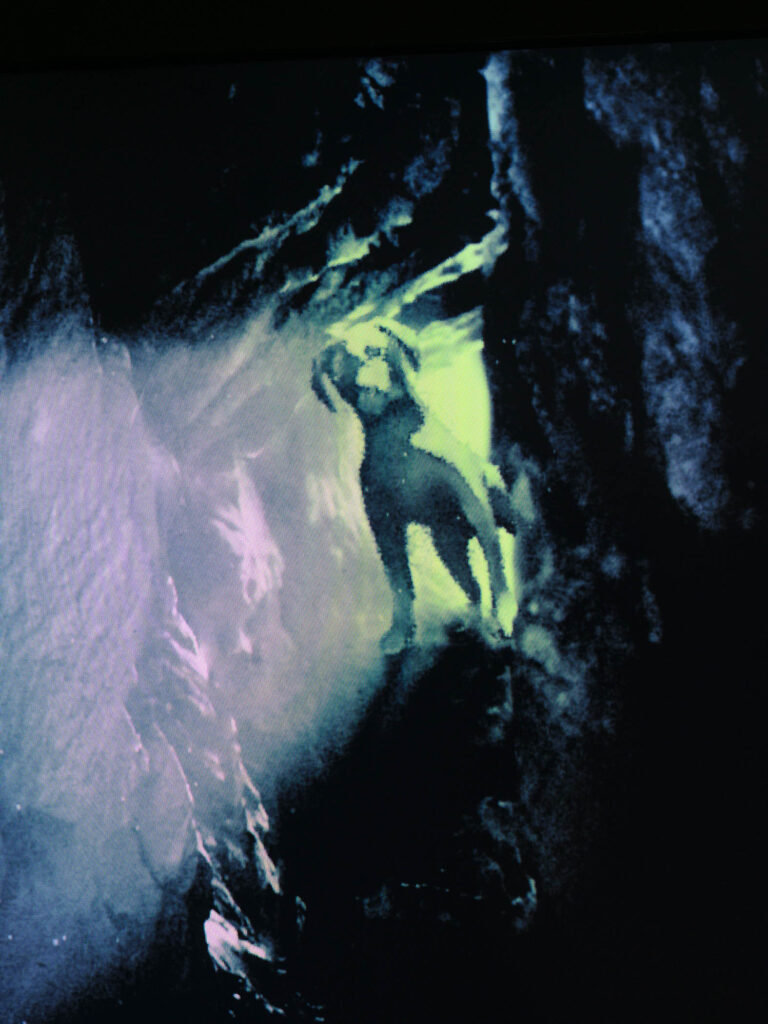
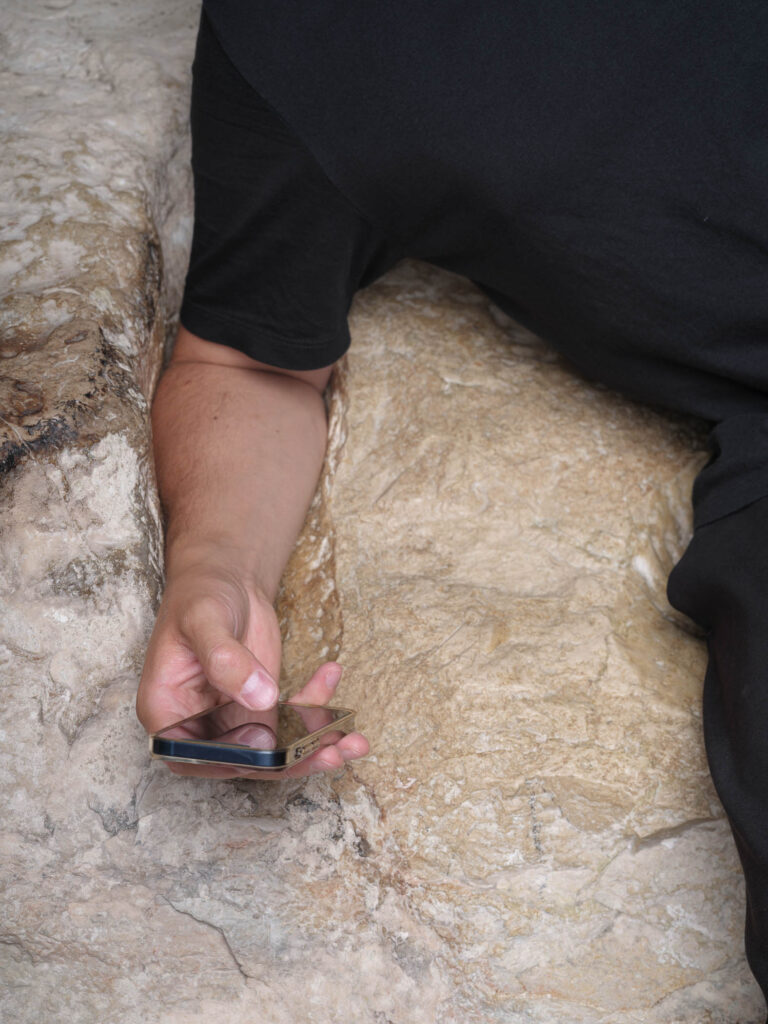
The work combines archival material, photographs, and reenactments. These reenactments are deliberately fragile. They mark gaps rather than closing them. Bodies appear in places where images are missing. The present overlays the past without replacing it. Reconstruction remains visible as an attempt.
I often thought of Walter Benjamin’s image of excavation. To remember means to remove layers, to hold fragments the wrong way round, to leave soil on them, to consider one’s own position in the terrain.
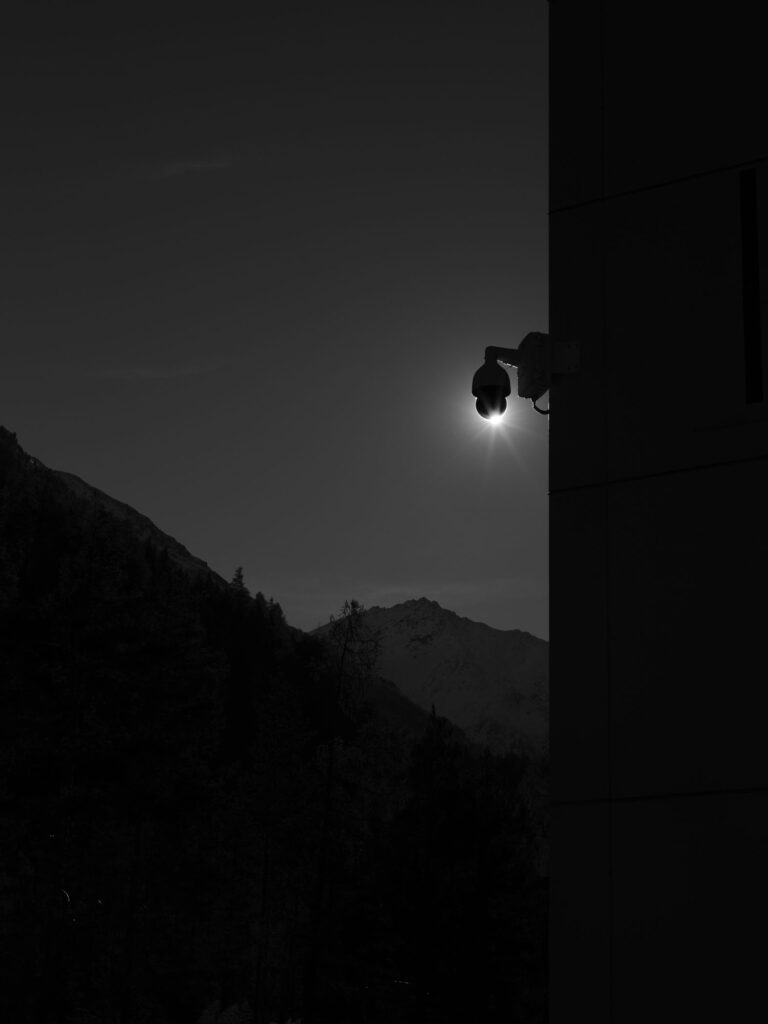
NS ÖTZTAL is therefore also a work about proximity. The past appears as something that continues to act within one’s place of origin, within one’s own gaze, and within the forms through which one tries to understand.
InfoX
BEZIRK 05
This work was created as a commission for steirischer herbst 25 / Never Again Peace, under Ekaterina Degot and in close collaboration with Pieternel Vermoortel and Beatrice Forchini.
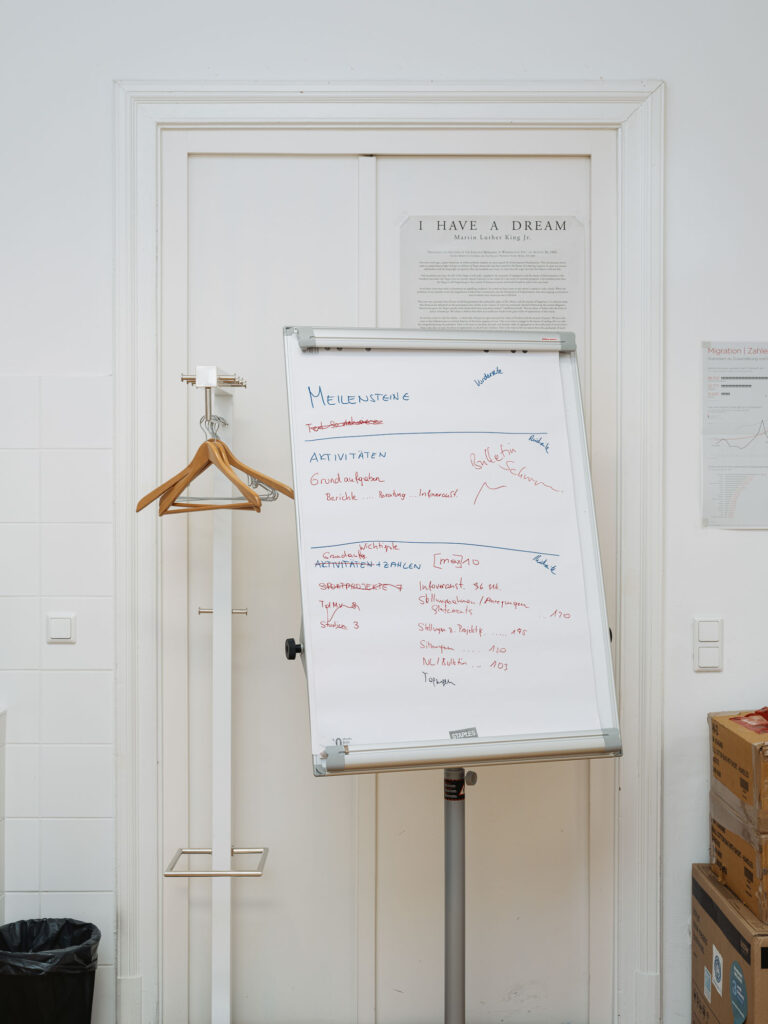
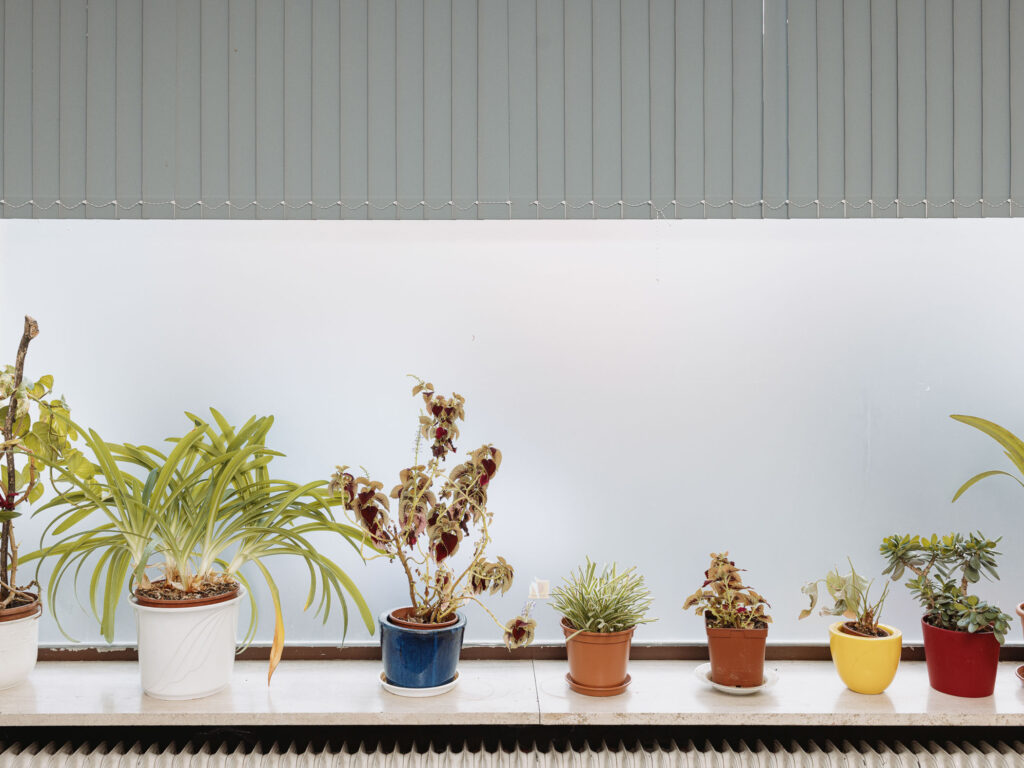
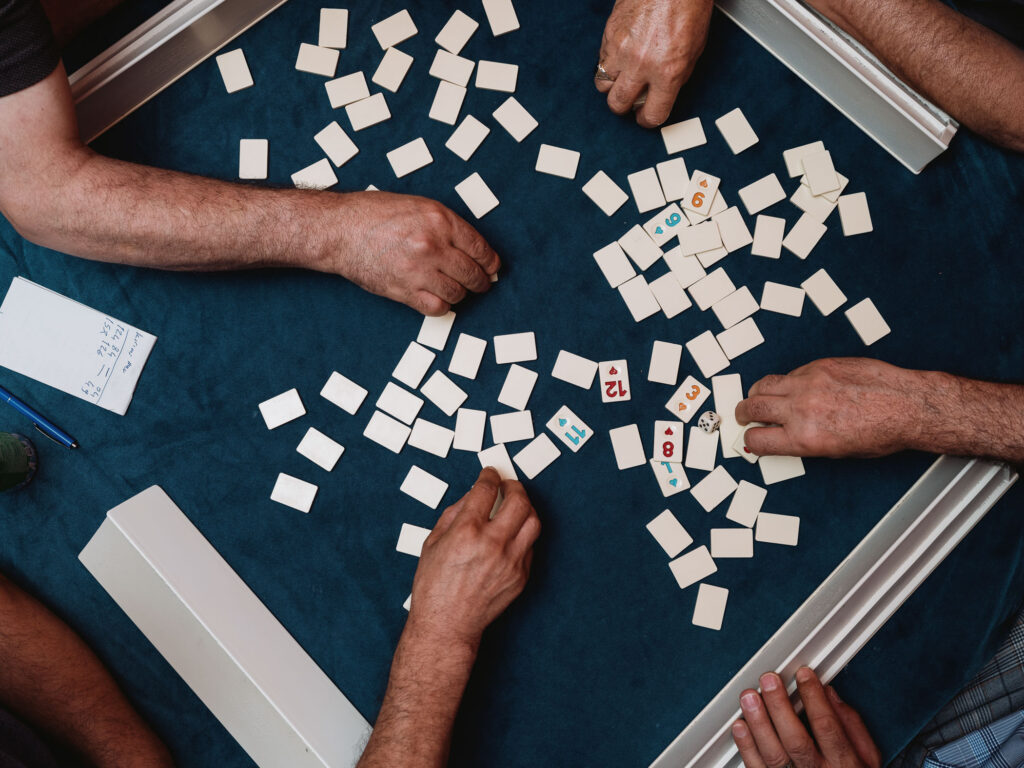
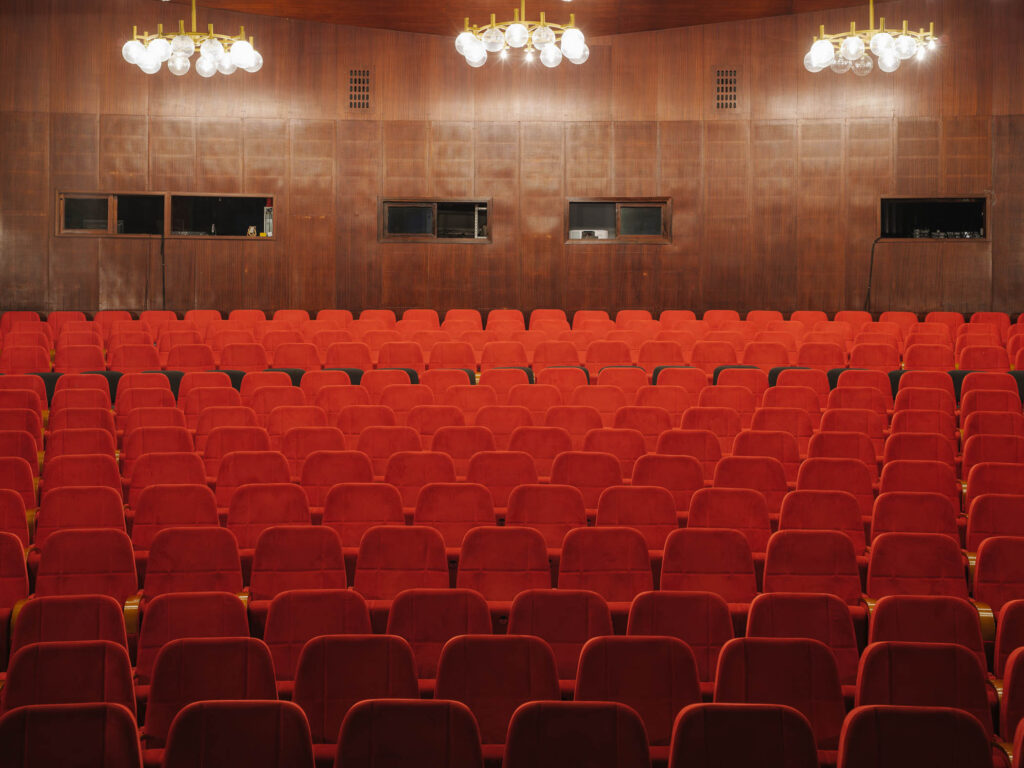
The work begins in the immediate surroundings of the festival: in a district one walks through, shops in, waits in, lives in, passes through, and often overlooks.
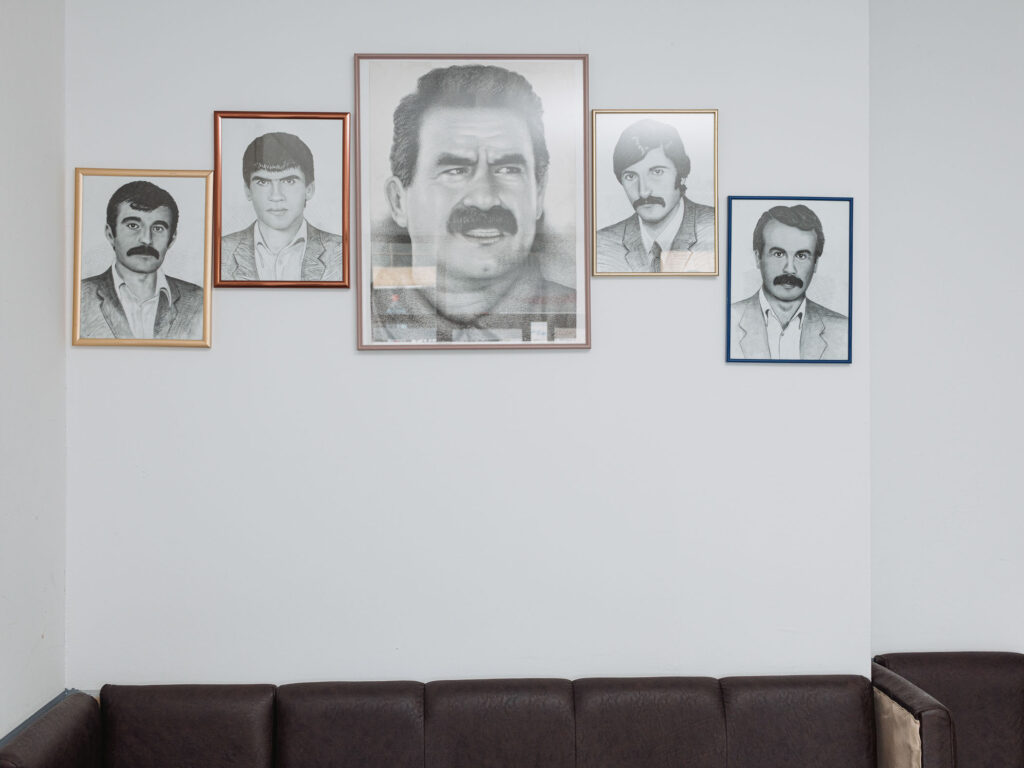
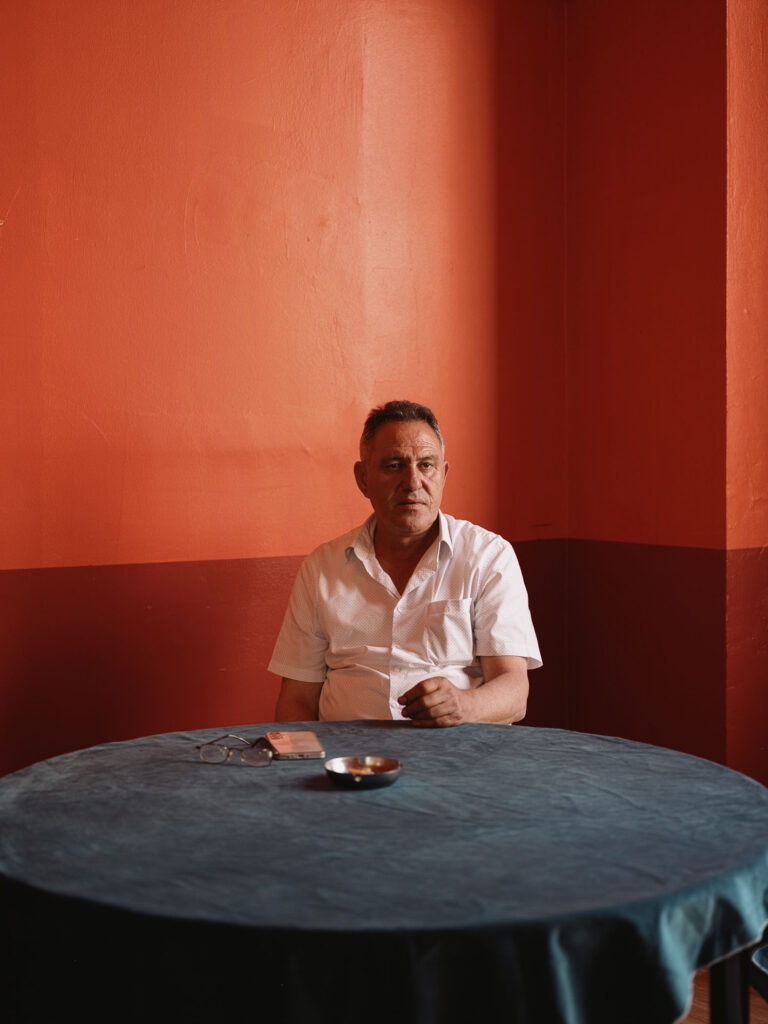
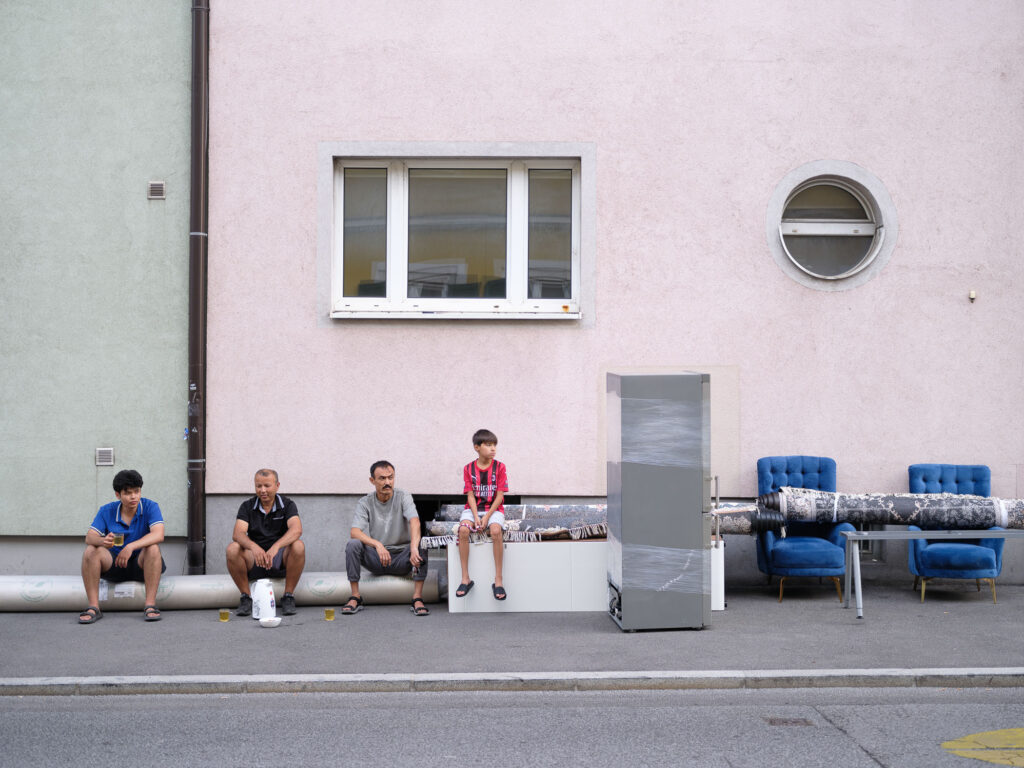
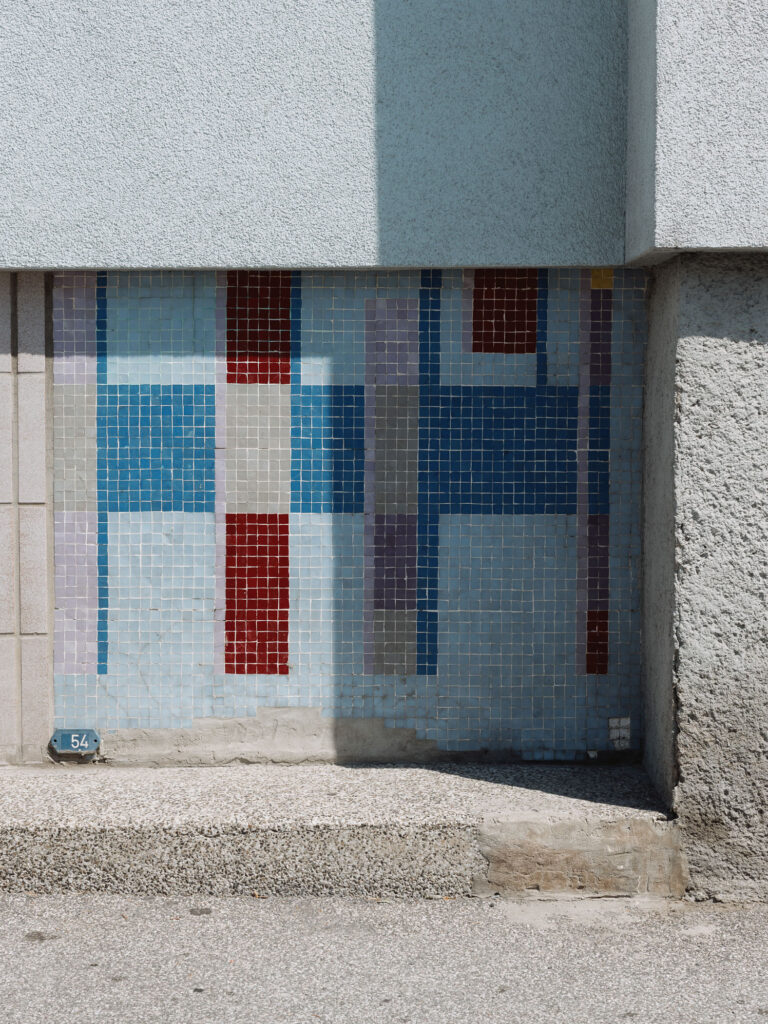
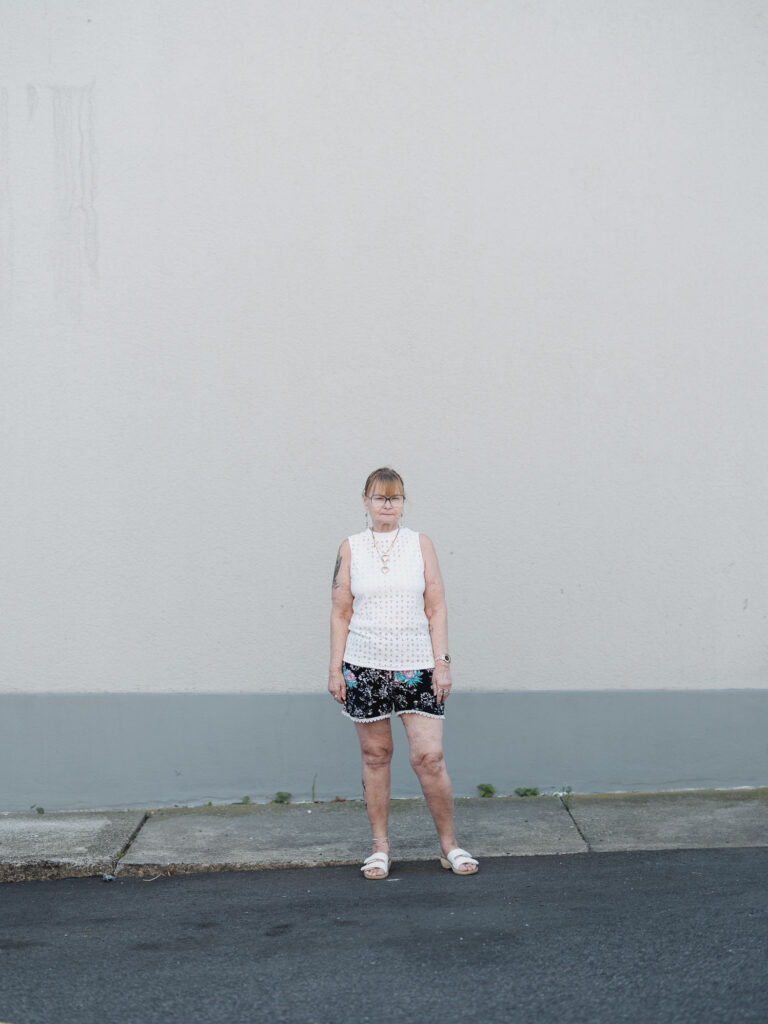
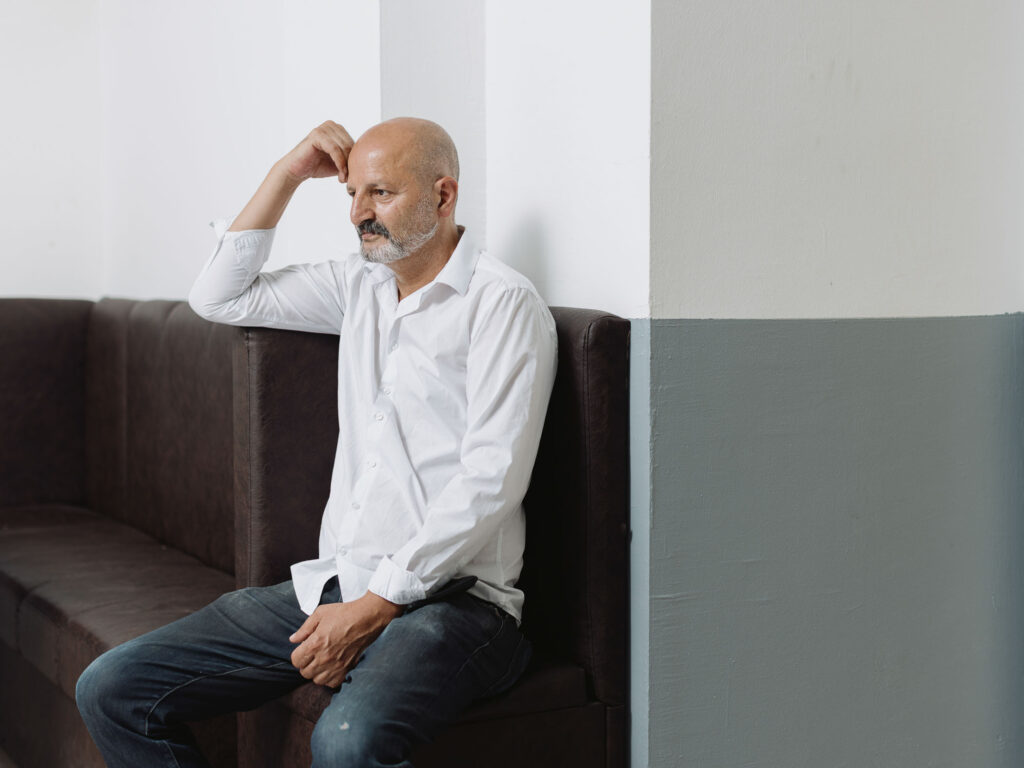
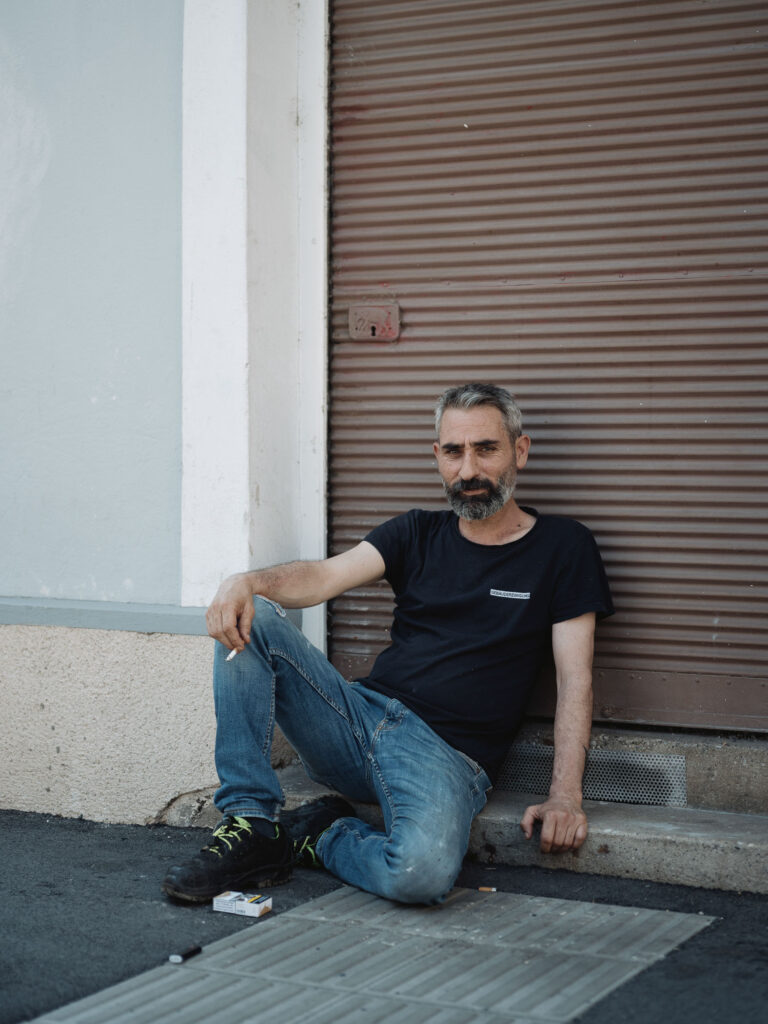
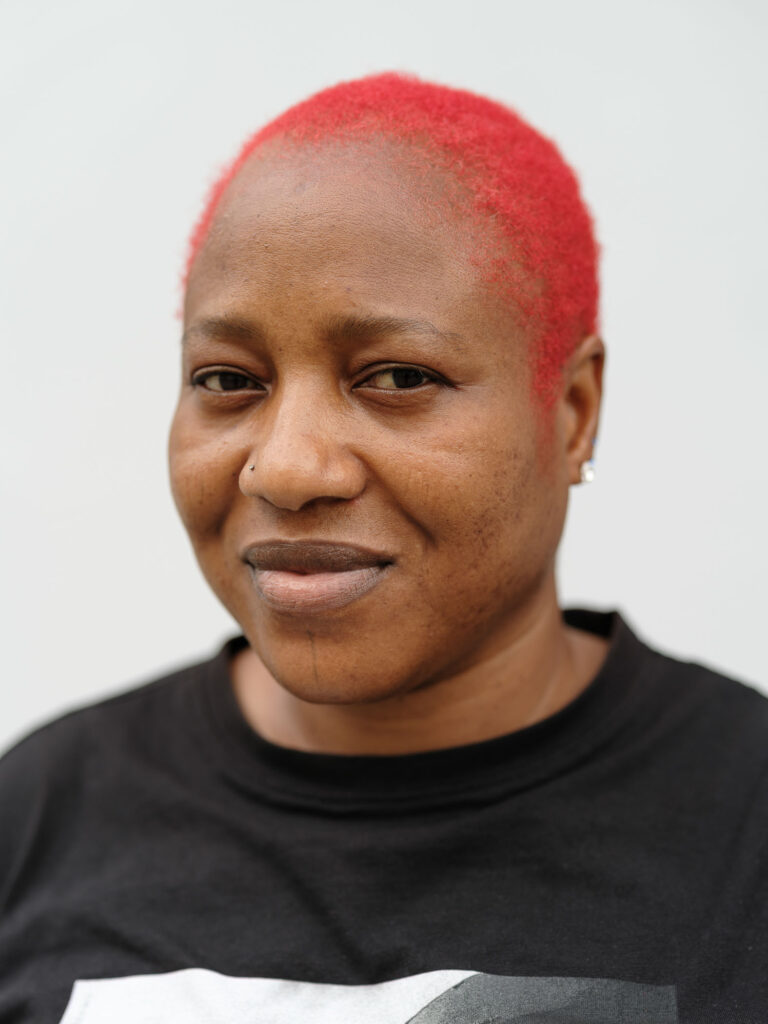
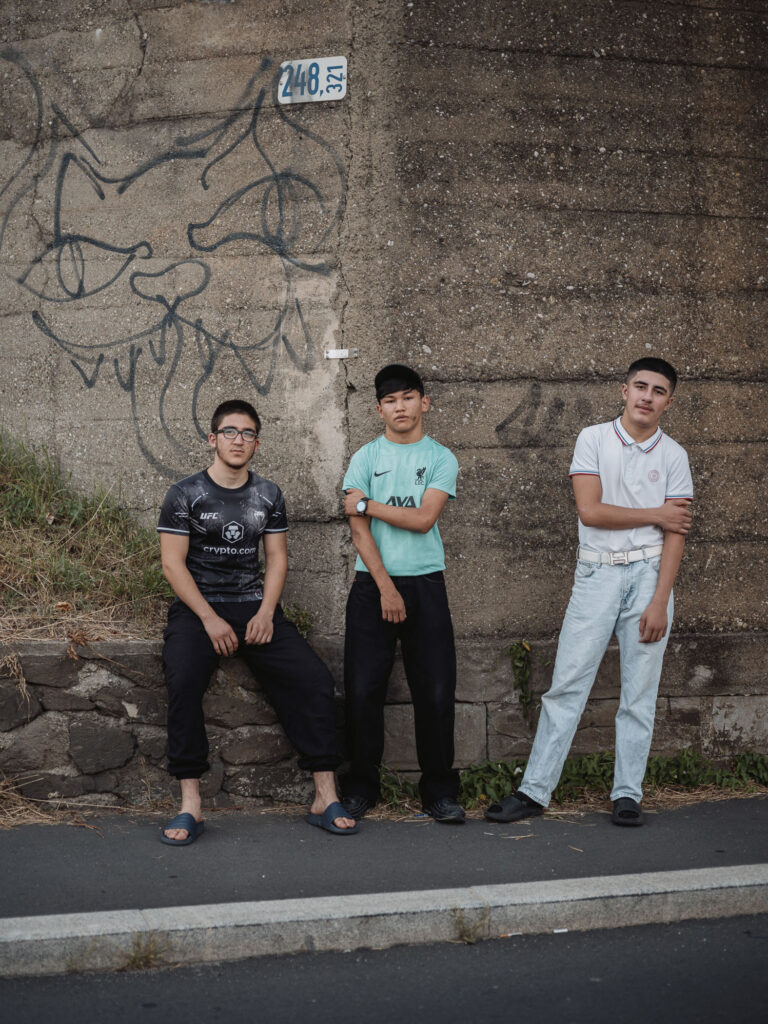
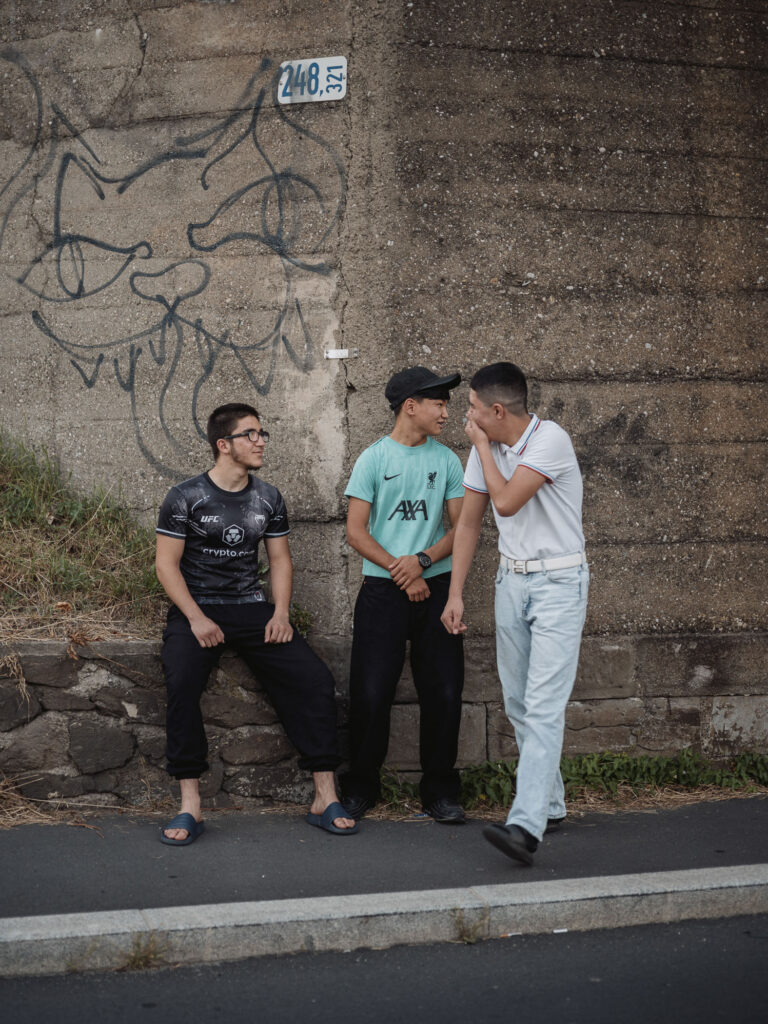
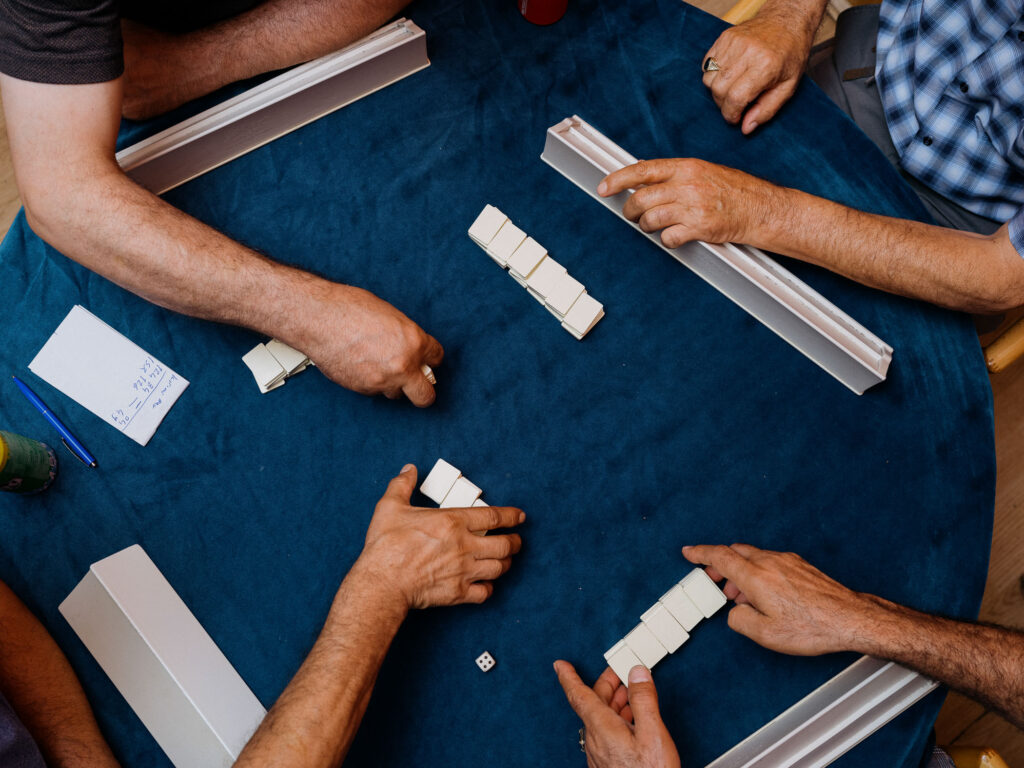
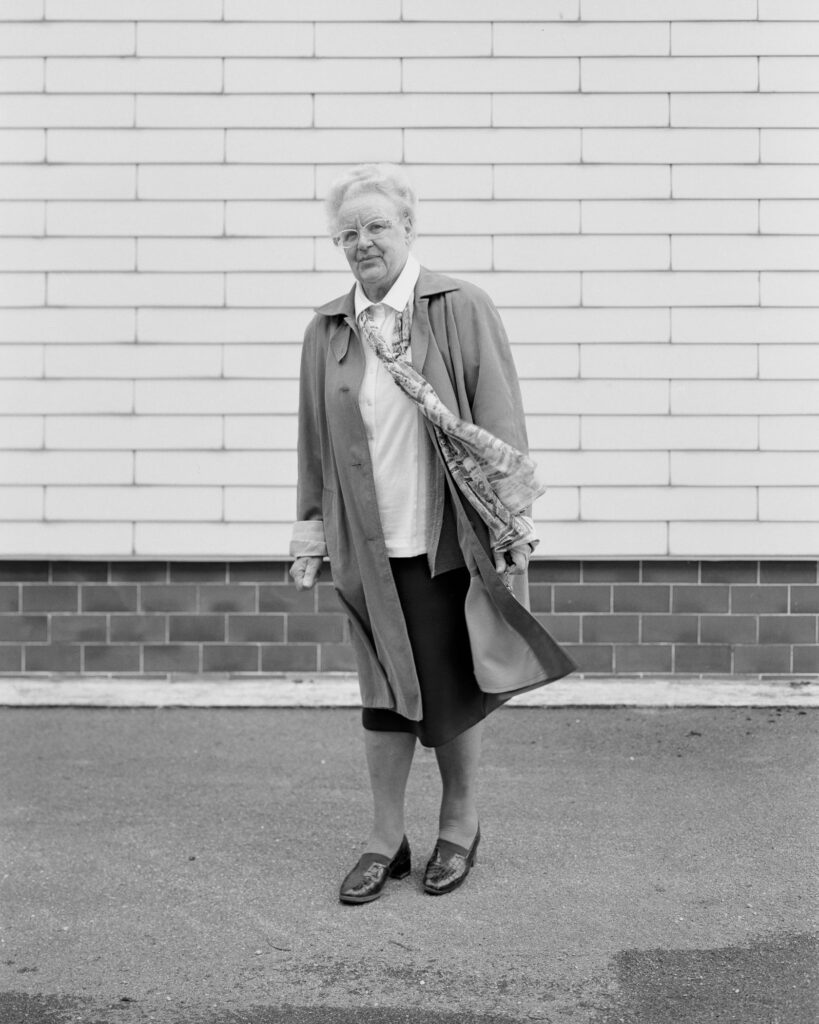
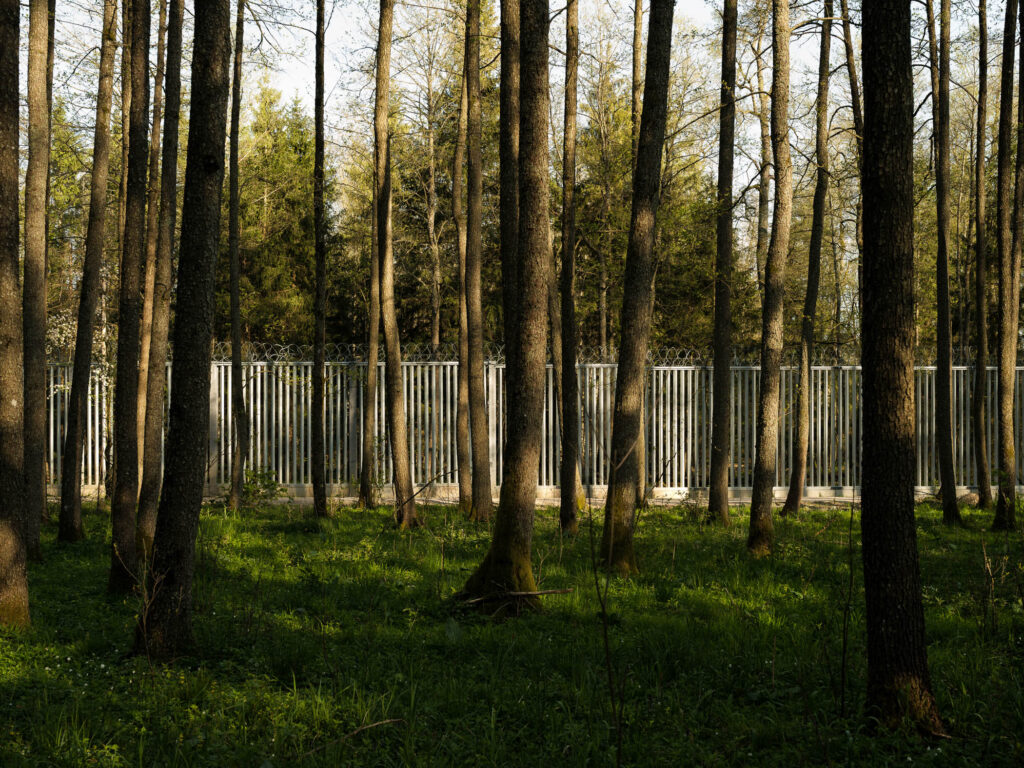
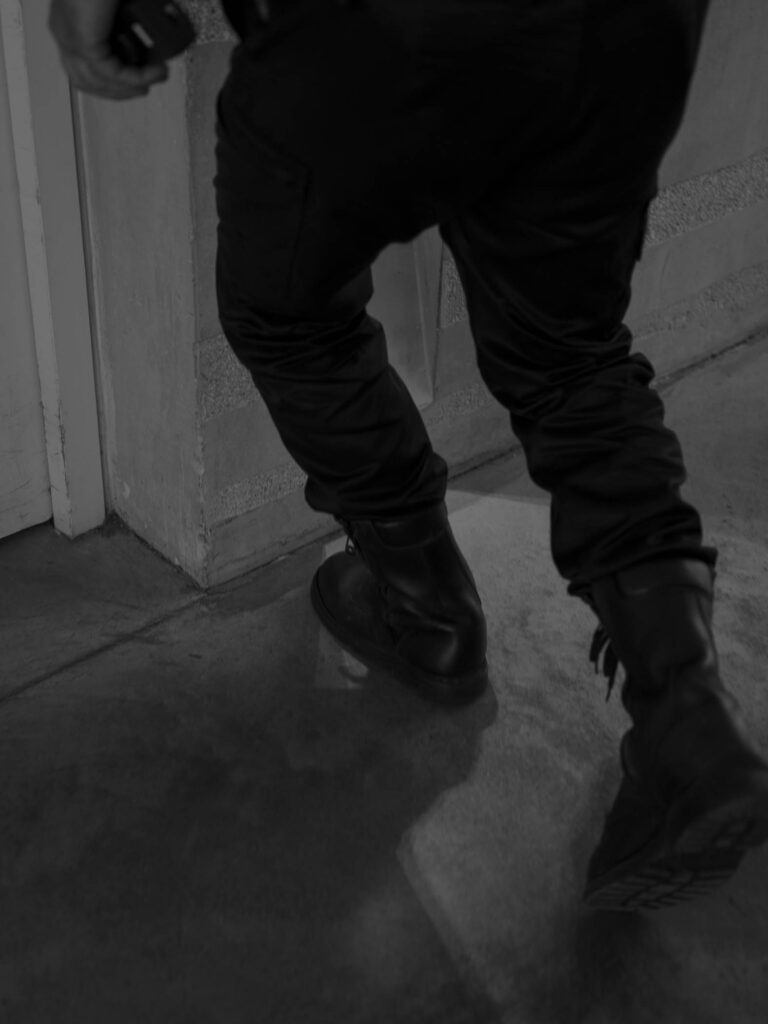
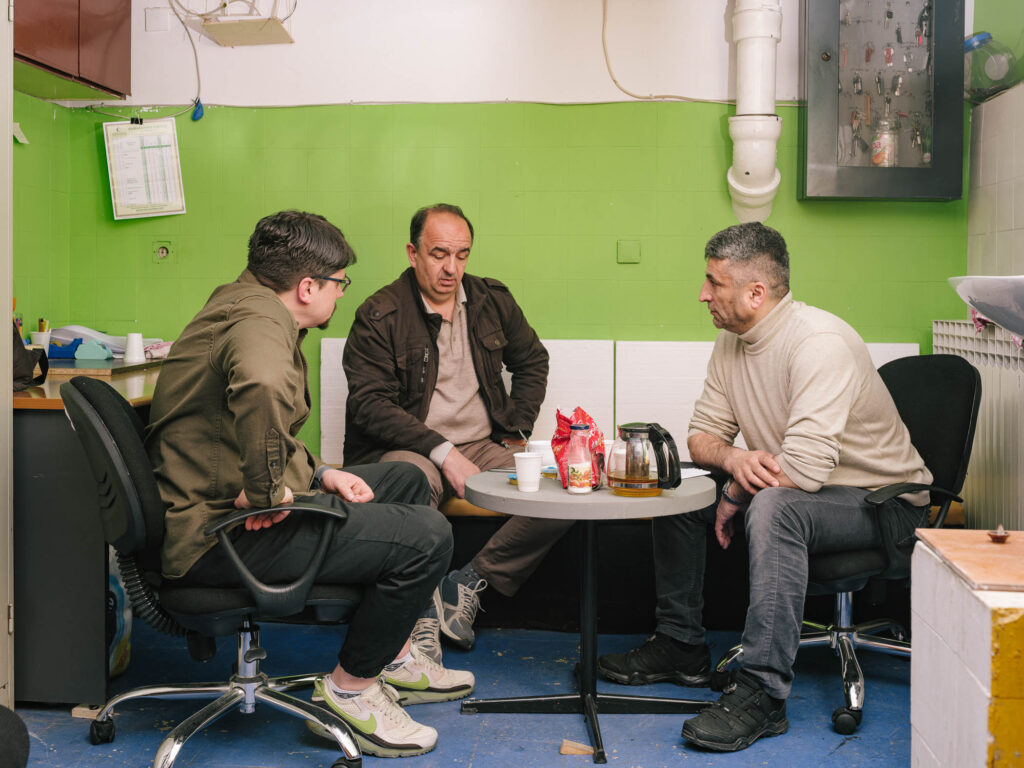
The project approaches the neighborhood through its spaces and inhabitants. Streets, entrances, shops, courtyards, associations, faces, small forms of organization. A social space that is produced every day, and at the same time shaped by unequal access to political recognition.
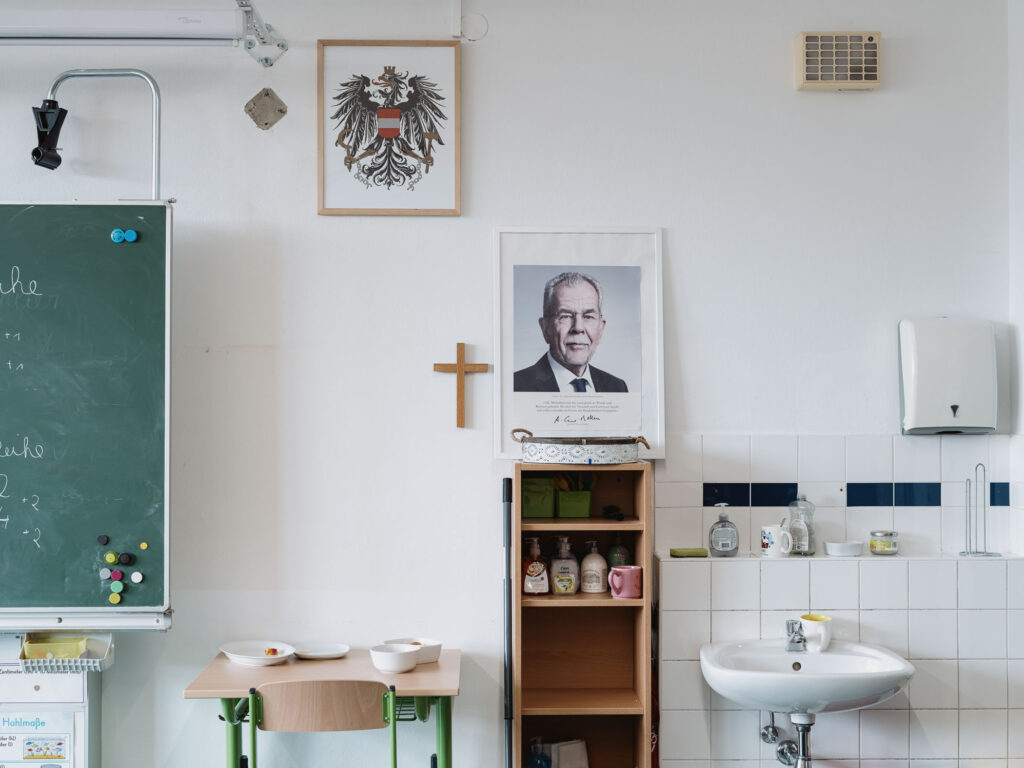
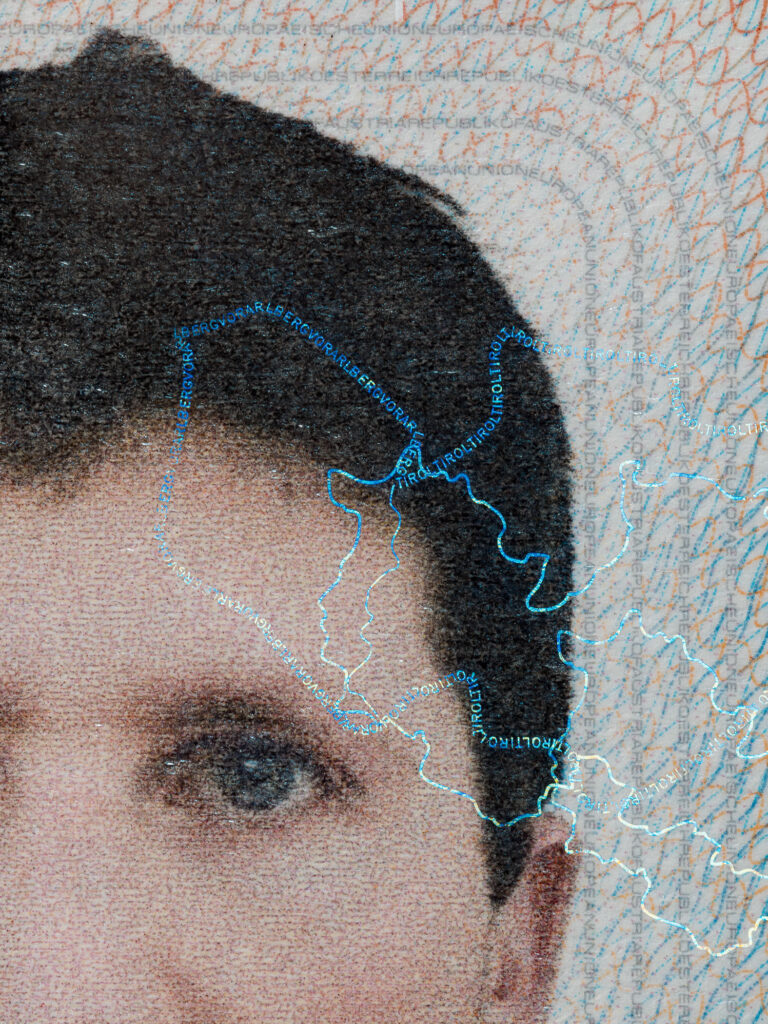
I was interested in what democracy looks like on the scale of a district. Who is allowed to participate? Who is visible? Who works, lives, pays, cares, organizes, and yet remains only partially addressed politically? Questions of voting rights, belonging, and representation appear here through everyday situations rather than through abstract political language.
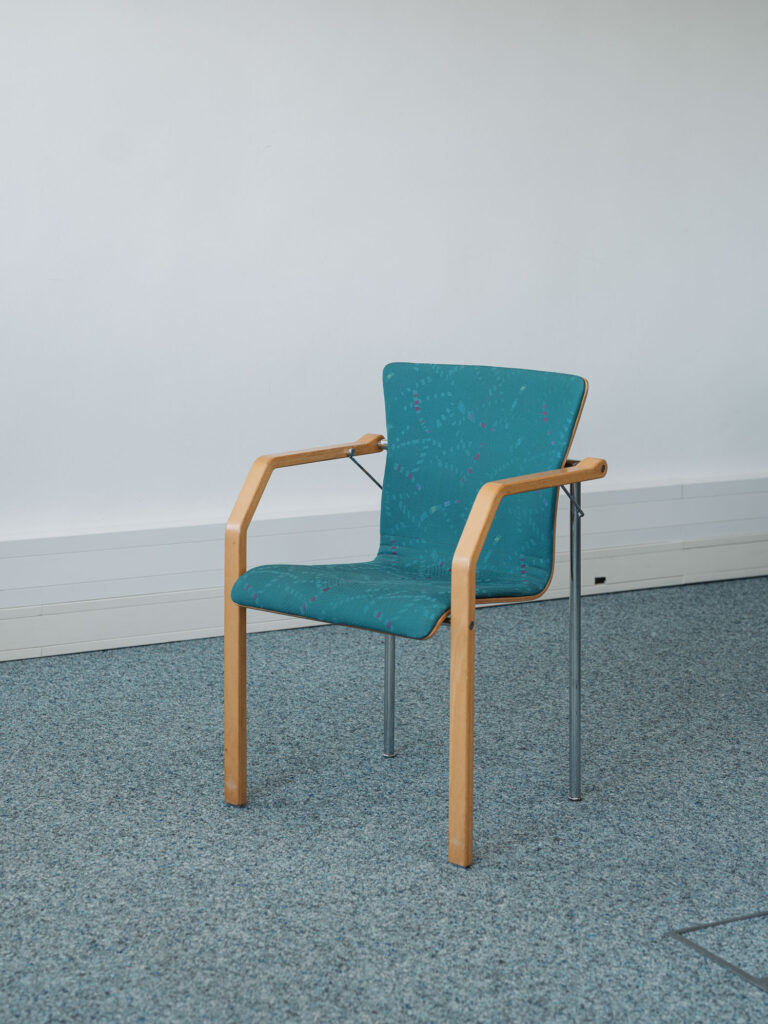
The photographs remain cautious. They move along the surface of a neighborhood in which coexistence becomes visible: organized, accidental, precarious, friendly, tired, contradictory. BEZIRK-05 looks at the small cracks of a city that wants to be democratic while distributing voice, attention, and recognition unevenly.
InfoX
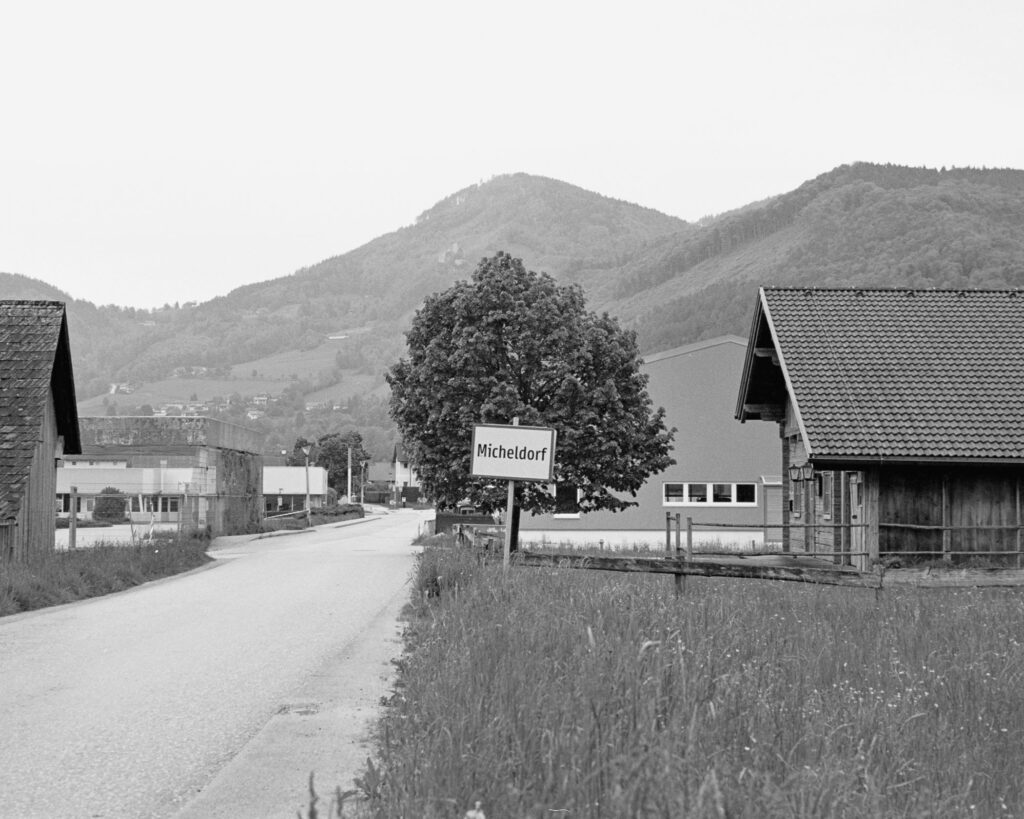
MICHELDORF MICHELDORF MICHELDORF MICHELDORF
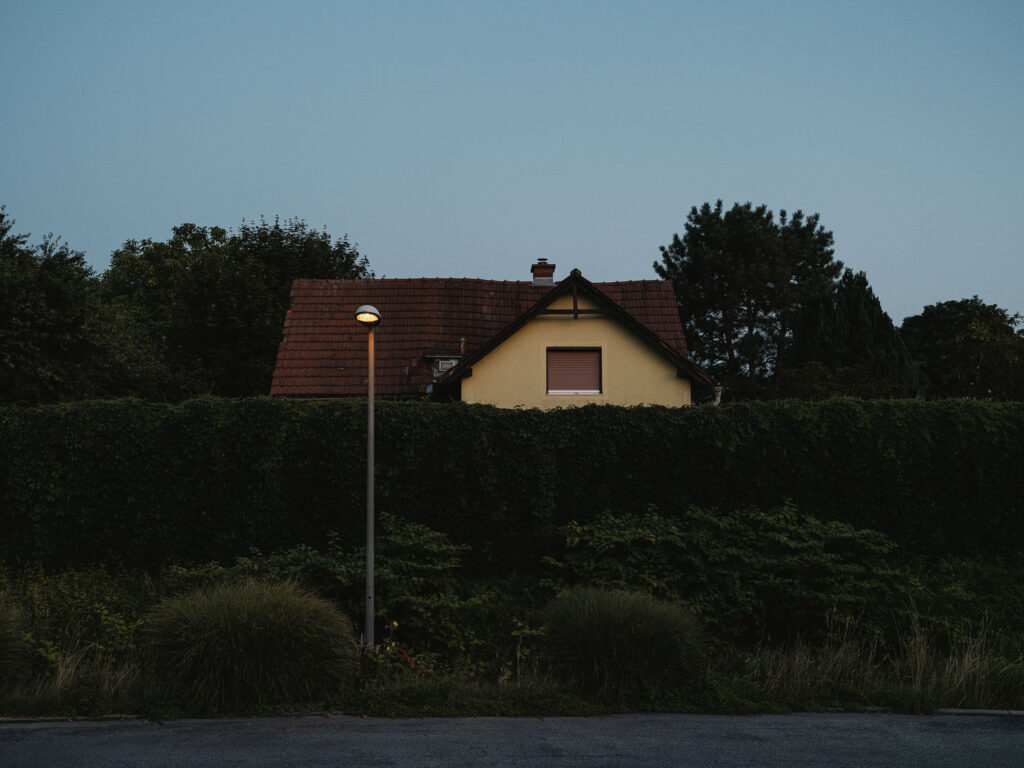
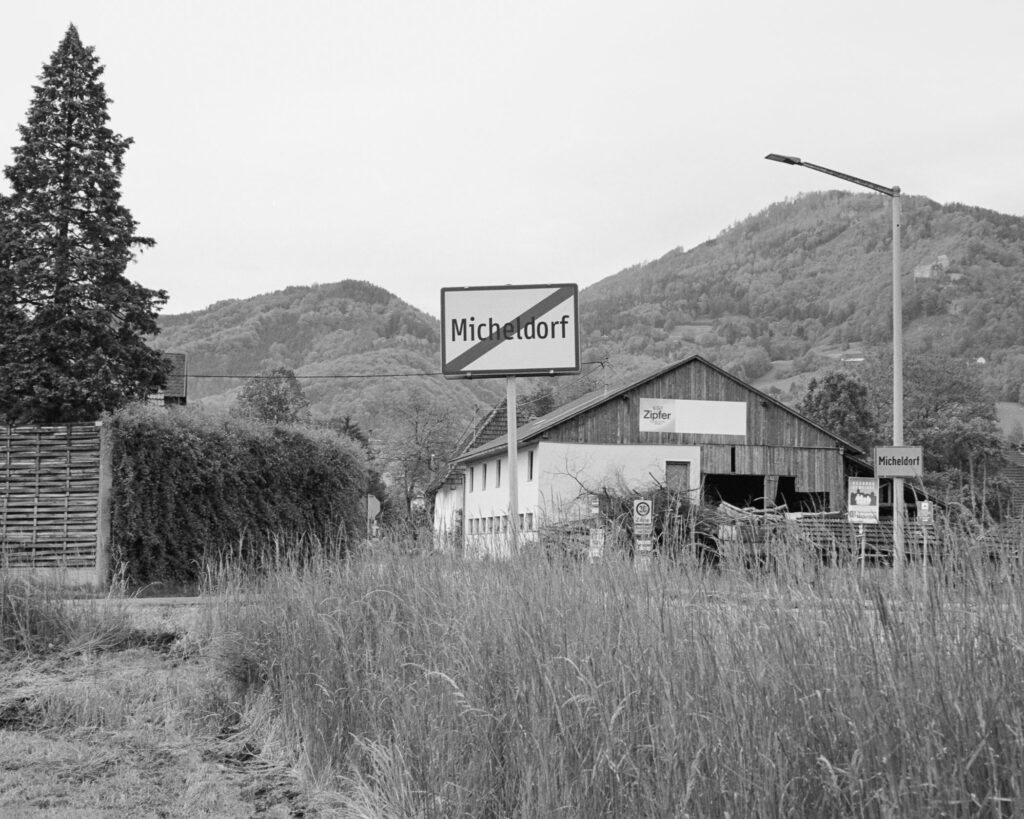
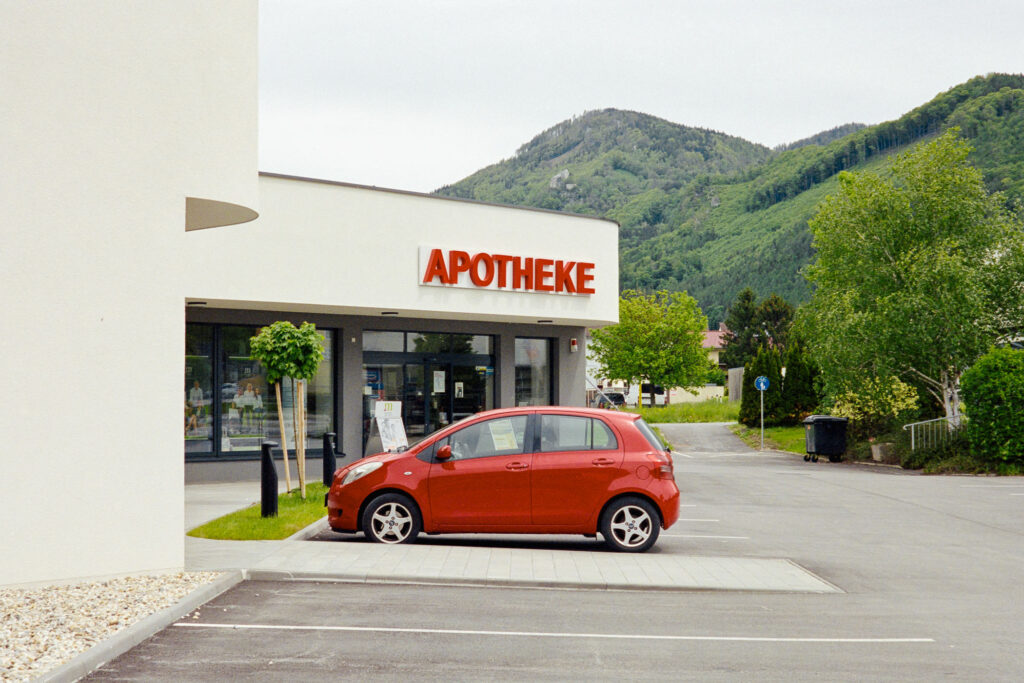
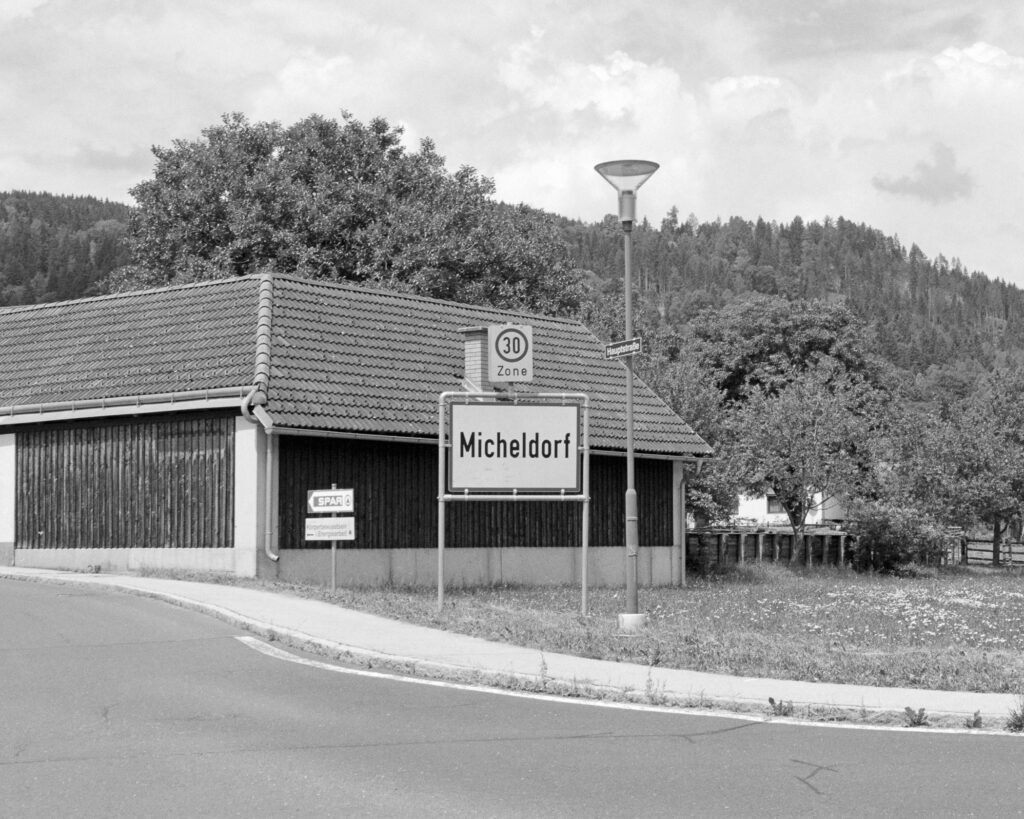
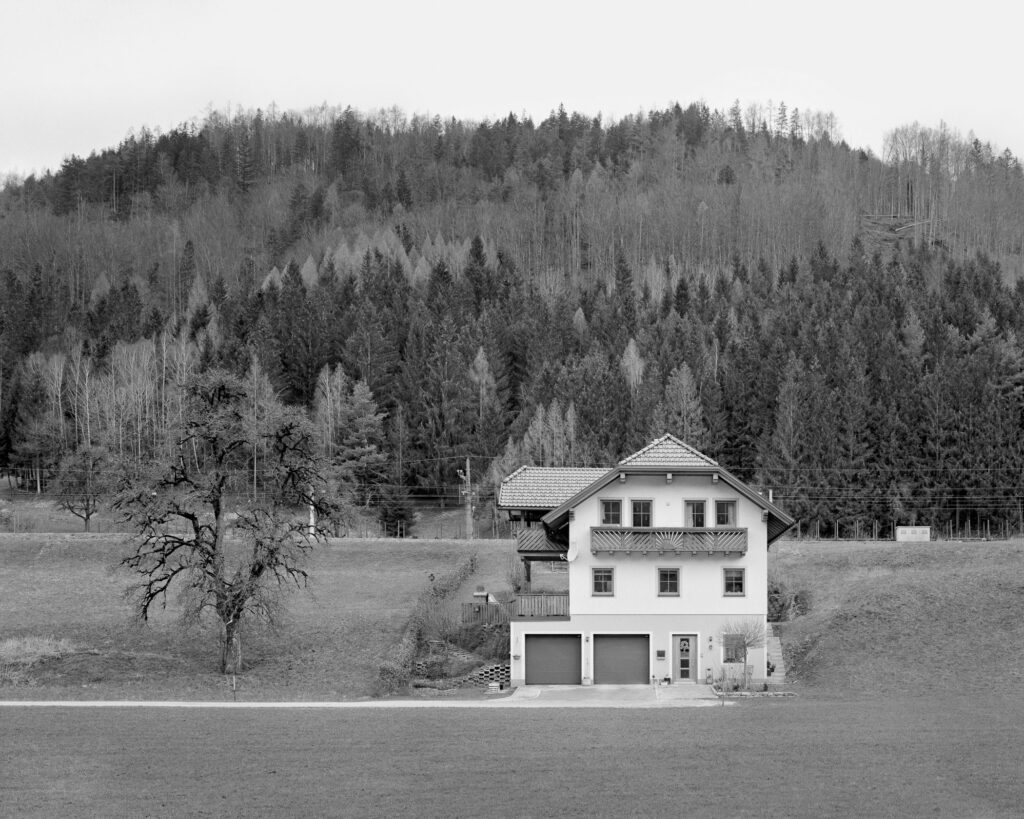
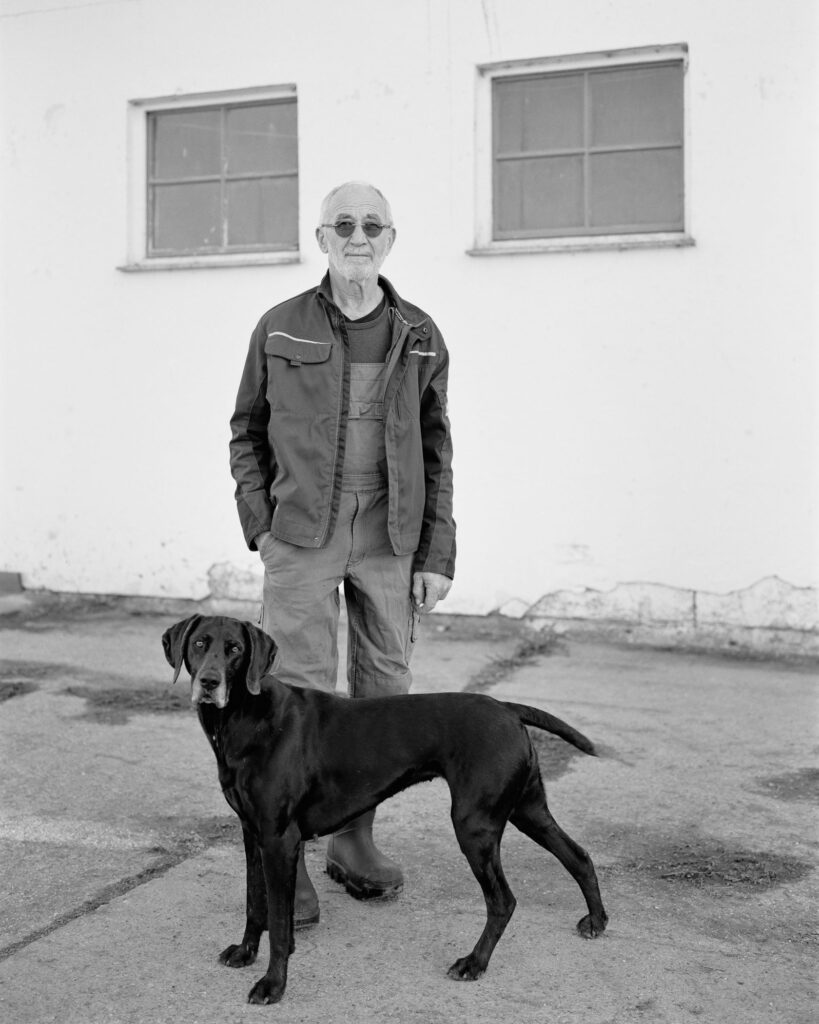
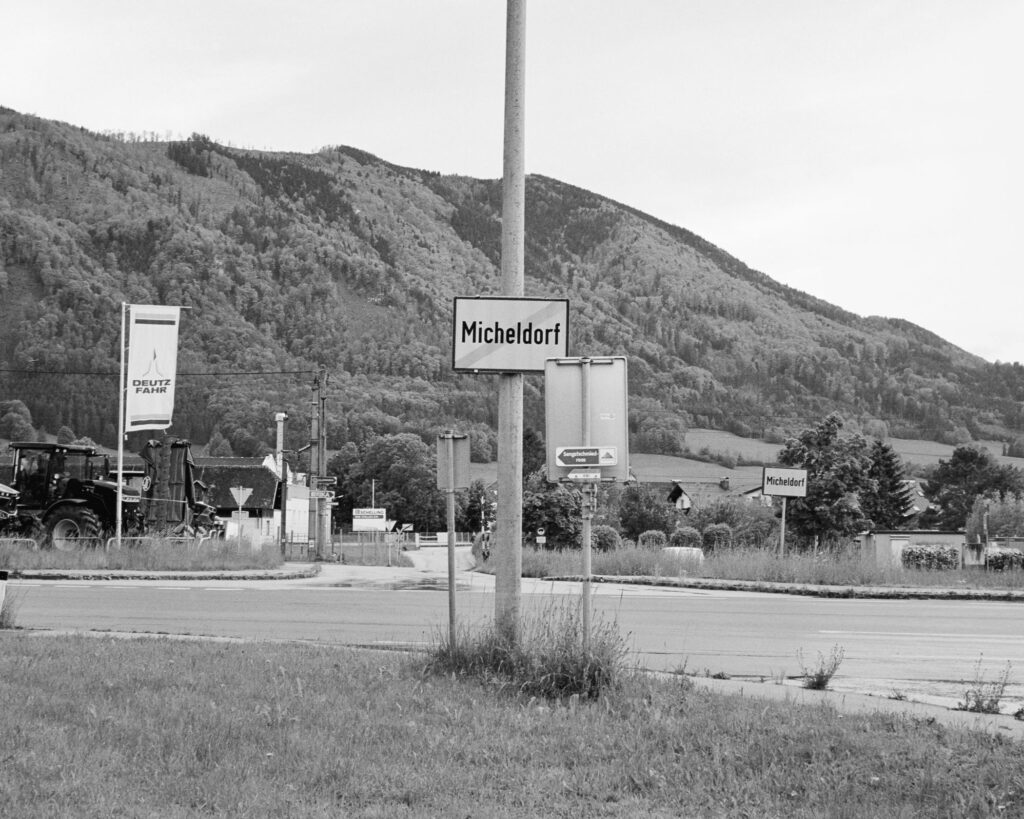
While seeking to explore the country in which he grew up, a chance journey led Elias Holzknecht to Micheldorf in Upper Austria. There, he discovered beauty in the everyday: a small community of nearly 6,000 inhabitants who sleep, eat, walk, and work—people for whom Micheldorf is the center of their lives.
As he immersed himself in village life, Holzknecht became increasingly aware that no single mode of representation can fully capture the complexity of a social space. Micheldorf resisted being condensed into a singular narrative—its very name pointed to multiplicity, given that three other villages in Austria share the same name. The story therefore unfolds not in one location, but across all four Micheldorfs.
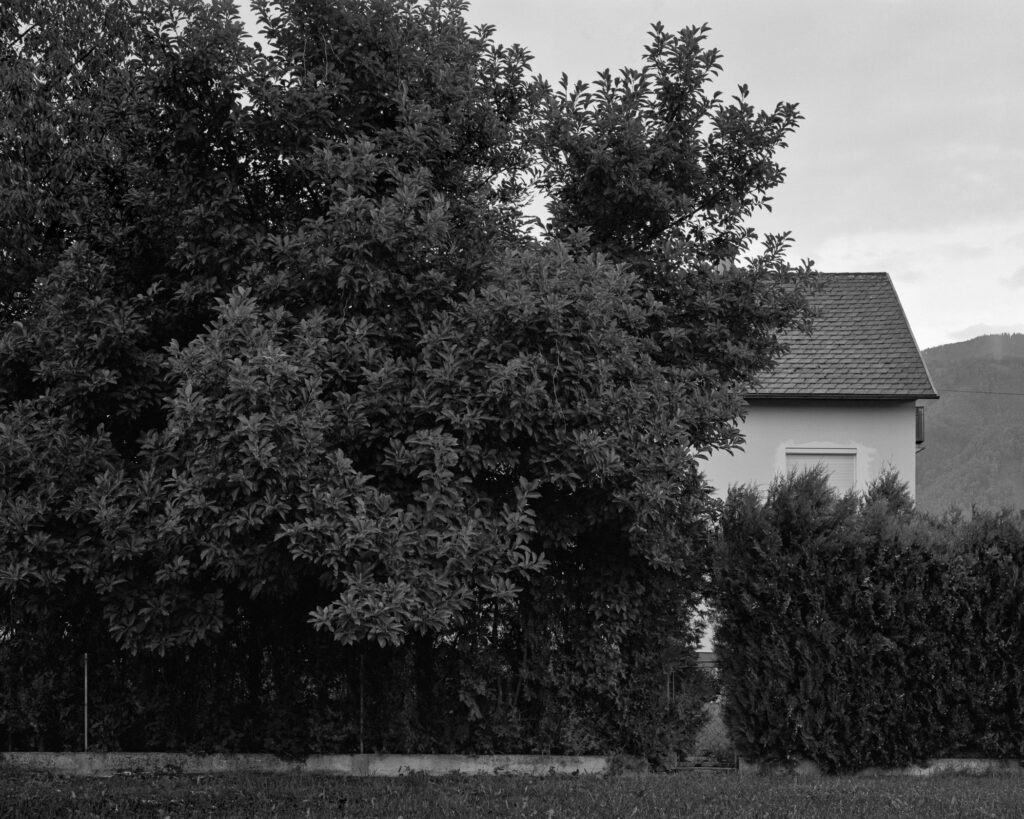
The resulting photographic work critically examines how visual narratives construct a sense of place and identity. Micheldorf Micheldorf Micheldorf Micheldorf appears at first glance to follow a linear storyline, a typological study of an Austrian village—an impression reinforced by the minimalistic design. Yet multiple versions of the book exist, a conceptual element already hinted at in the title.
Each edition contains the same images and text fragments, but arranged in a different order. This shifting structure highlights the underlying complexity of a narrative that initially seems straightforward.
By foregrounding the instability of sequence and the constructed nature of photographic storytelling, the project reflects on how images shape our understanding of a place and its inhabitants. It invites viewers not only to look closely at what is shown, but to think beyond Micheldorf itself.
There are three versions of the book. Each includes the same visual and textual material, but in entirely different sequences. The editions are distributed randomly and marked as 1/4, 2/4, and 3/4—suggesting the existence of a fourth version that never materializes.
EXHIBITIONS
2021 – Graduation Show, BA Photography, KASK, Ghent, BE
2023 – Goethe Exil, group show, Hannover, DE
2024 – Les Rencontres de la Photographie, group show, Arles, FR
2025 – Sensen Museum Micheldorf, solo, Micheldorf in OÖ, AUT
AWARDS
2023 – Nomination, C/O Berlin Talent Award
2024 – Nomination, German Photobook Award
2025 – Nomination, PHotoESPAÑA Best Photography Book of the Year
Text
2025 – tagebuch.at
2025 – faz.net
InfoX
JOSEF
1935–2023
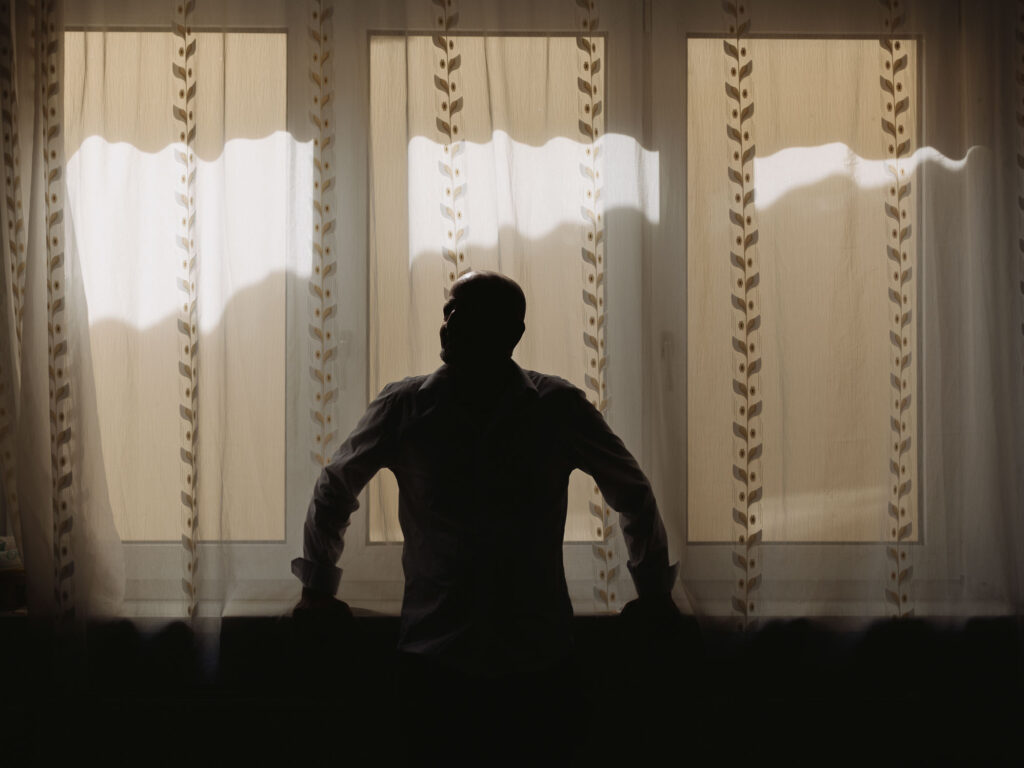
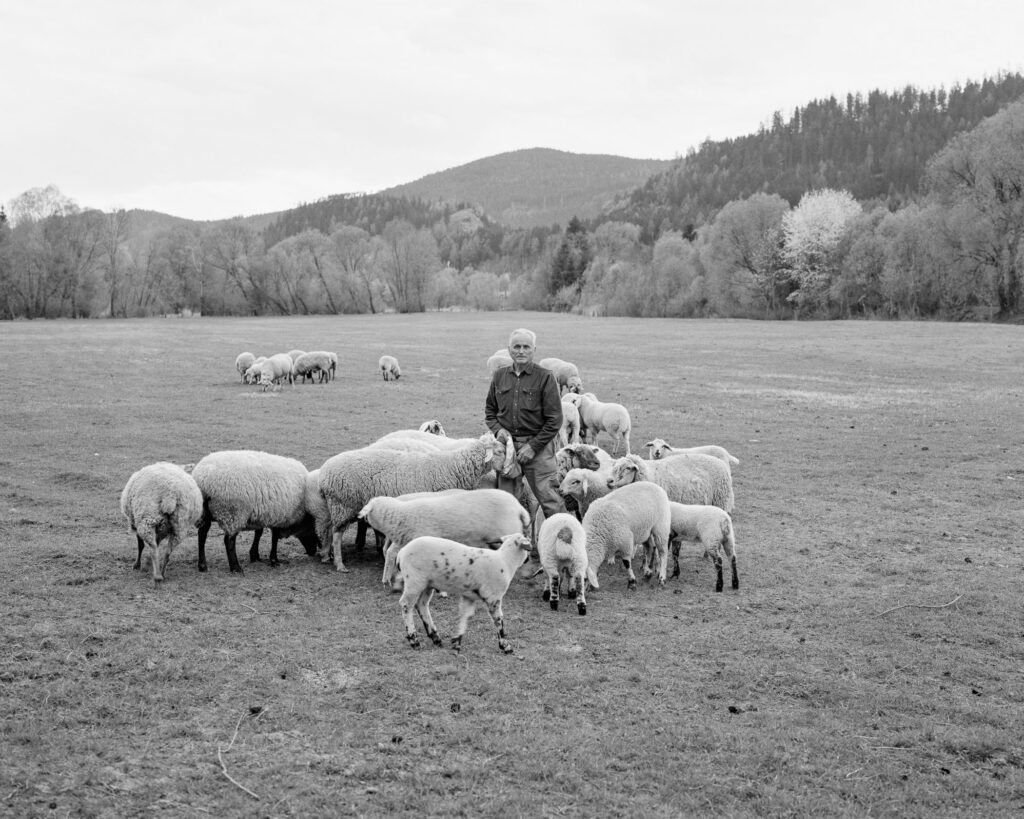
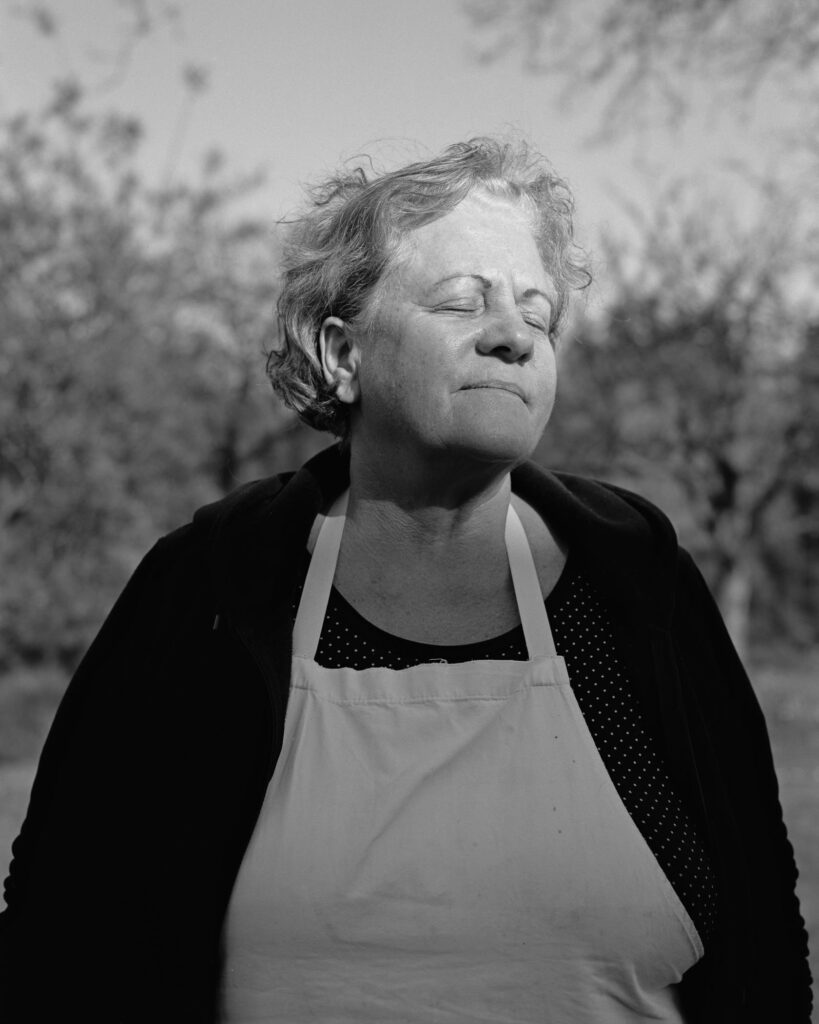
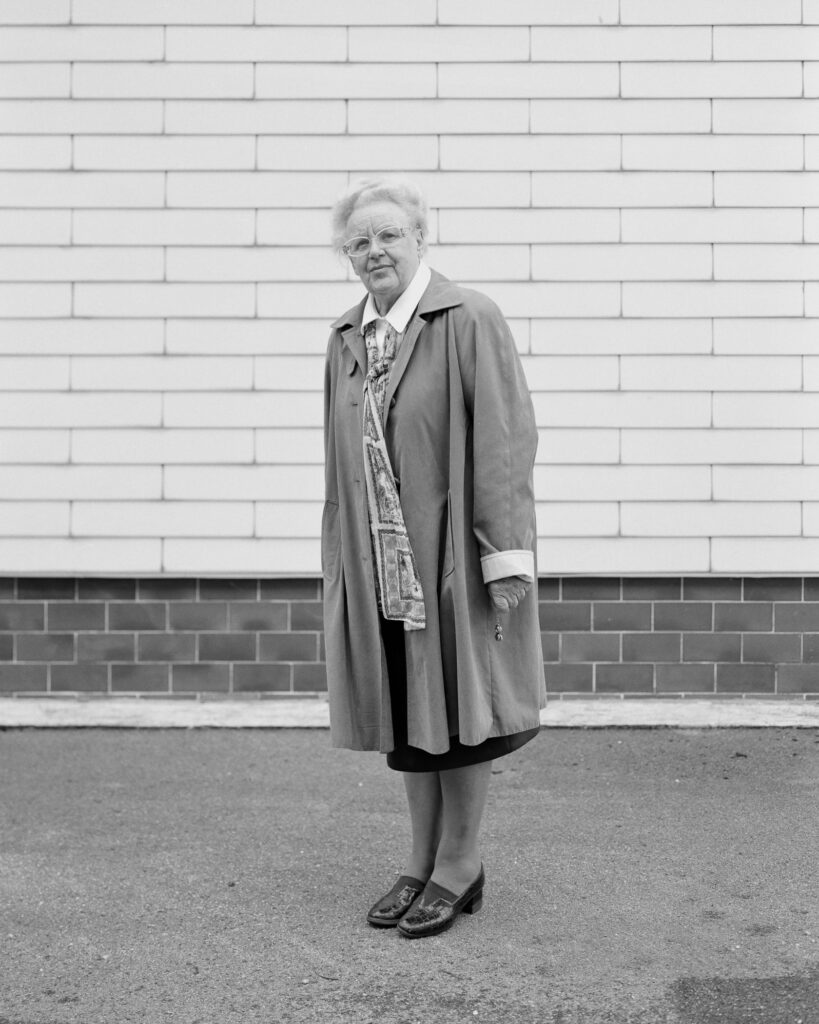
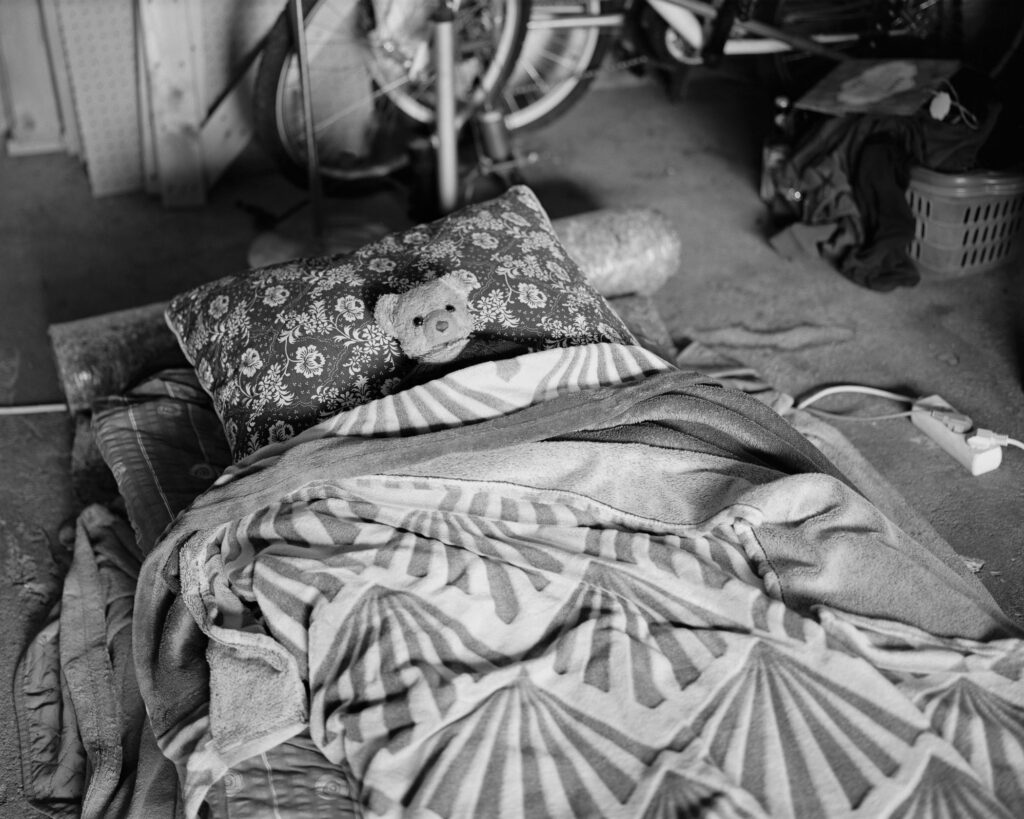
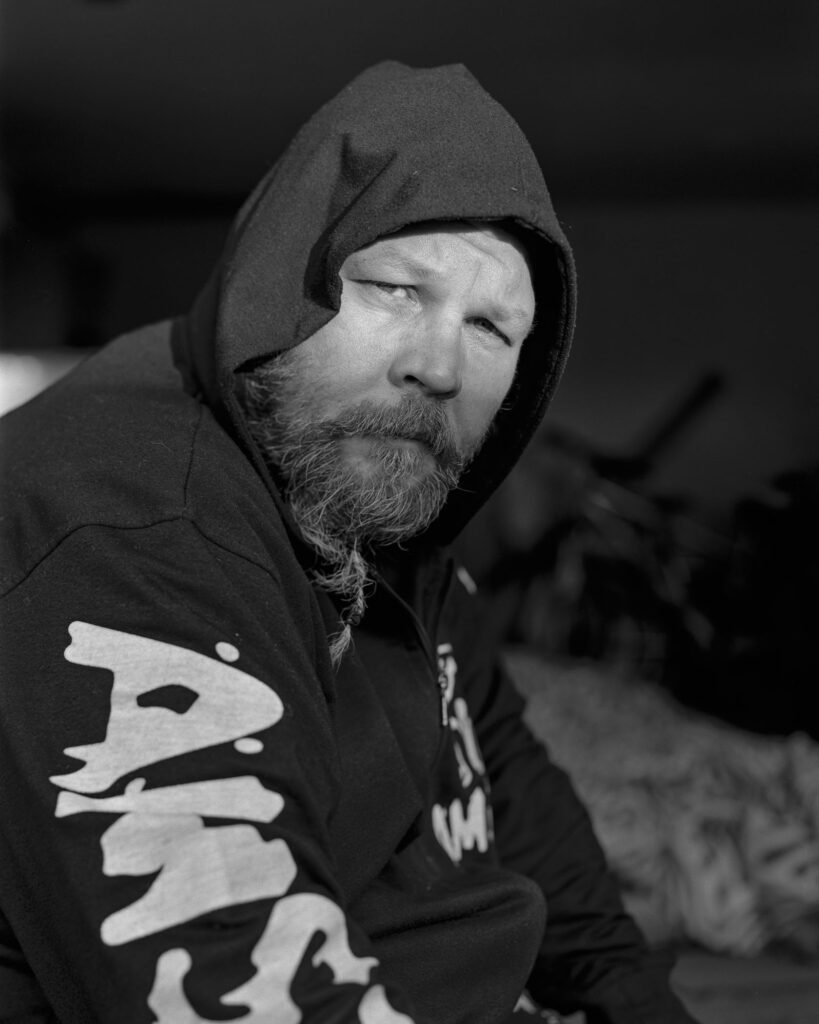
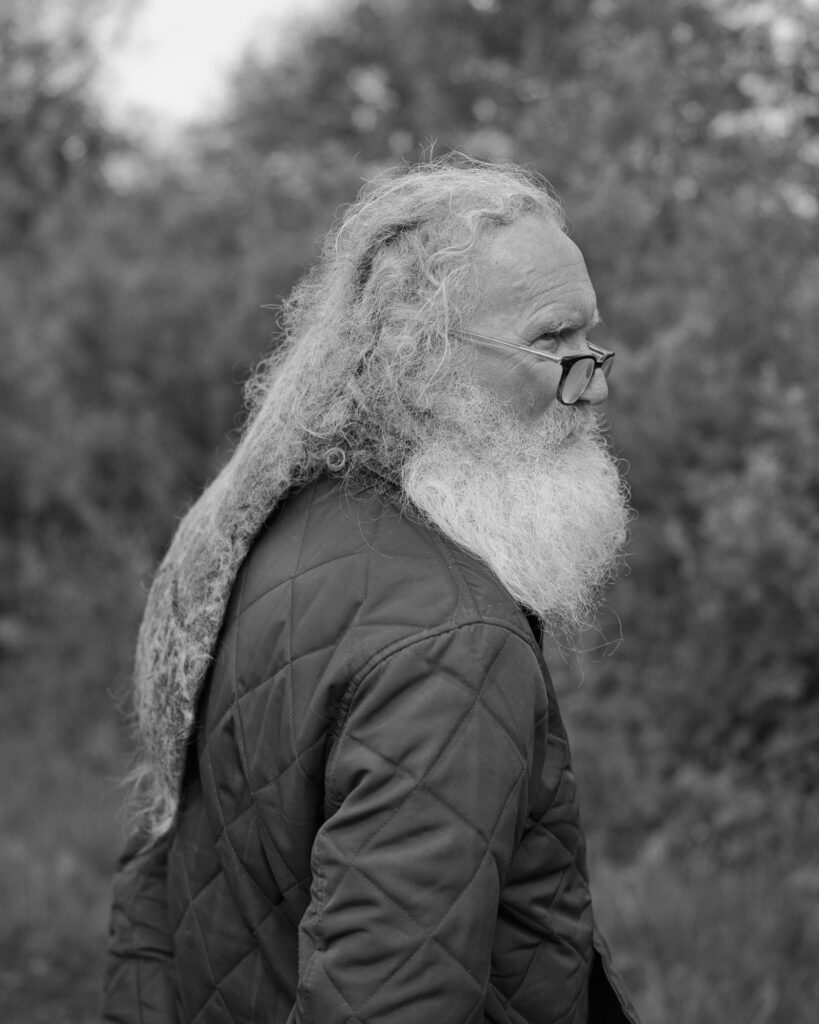
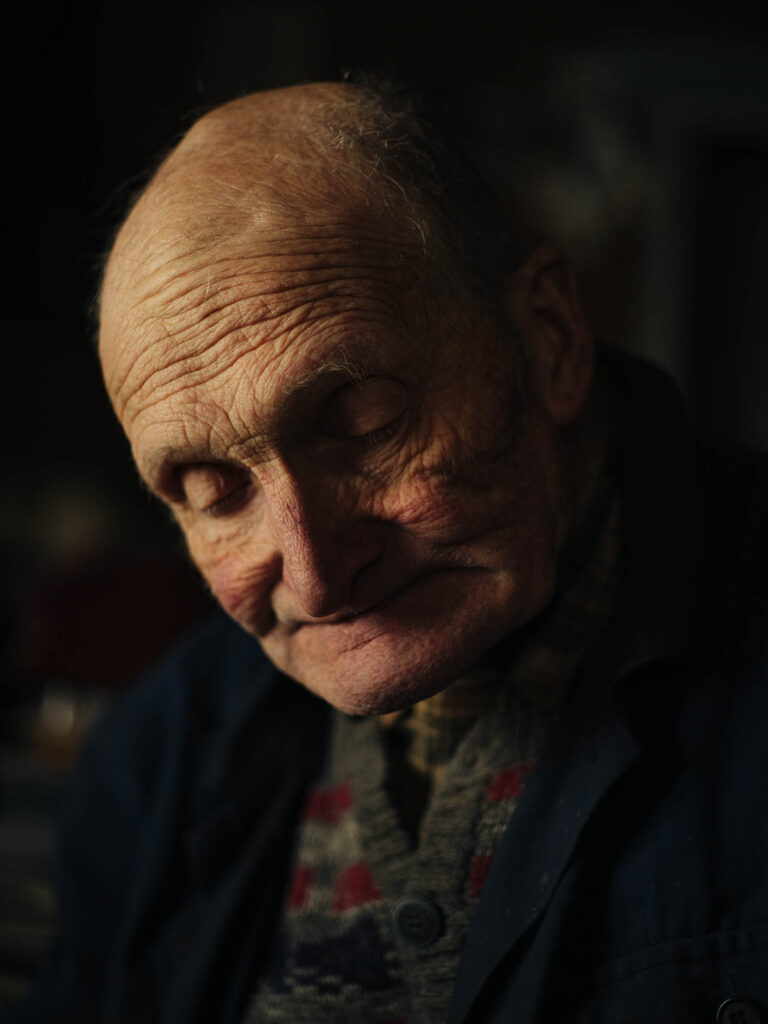
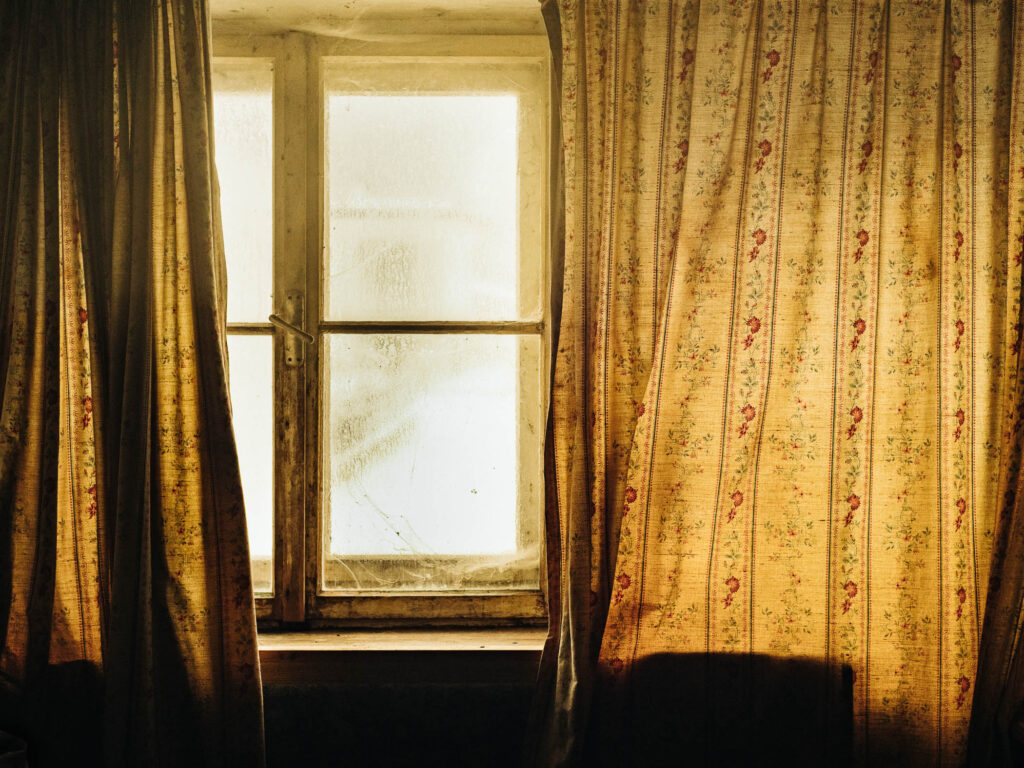
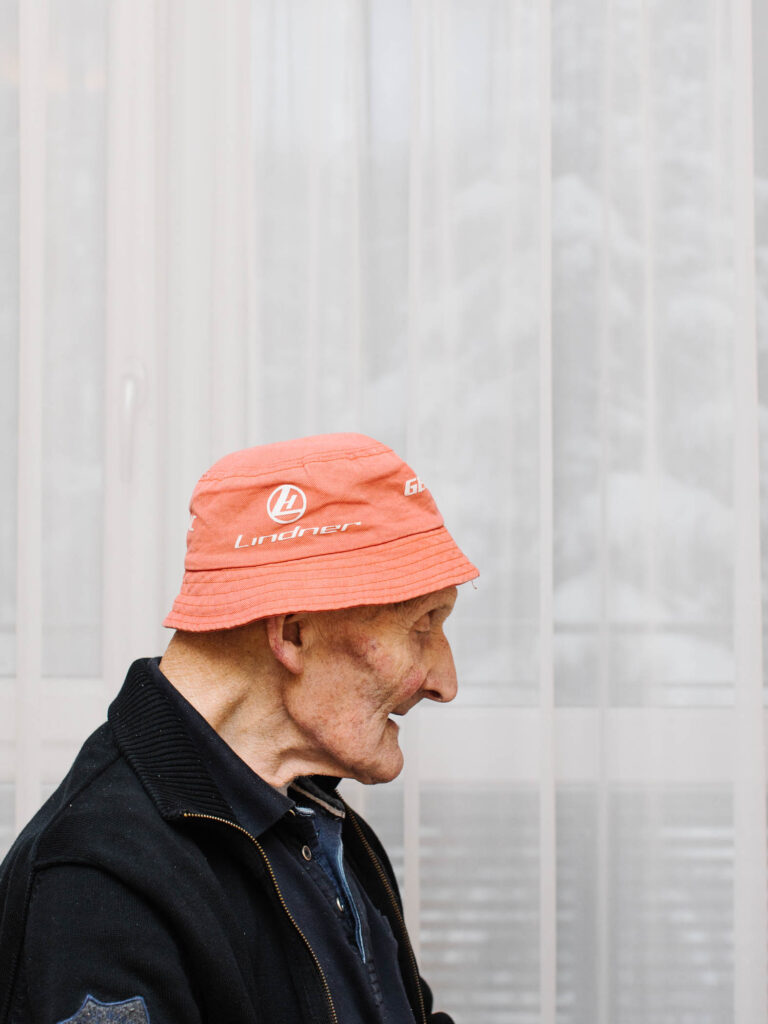
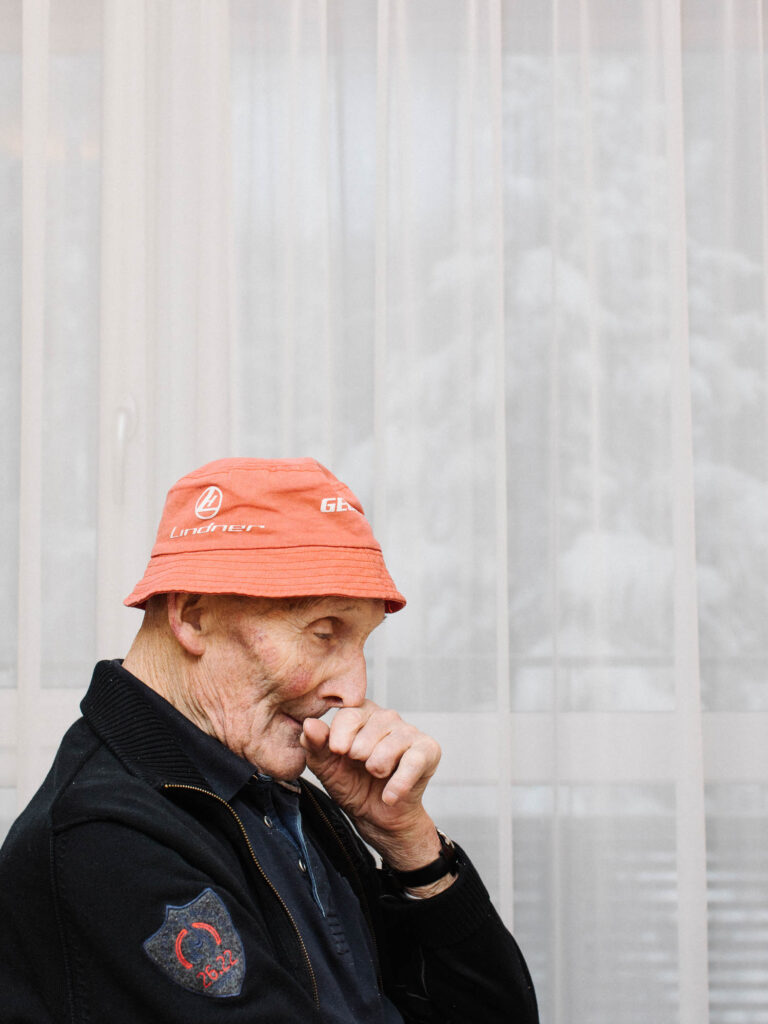
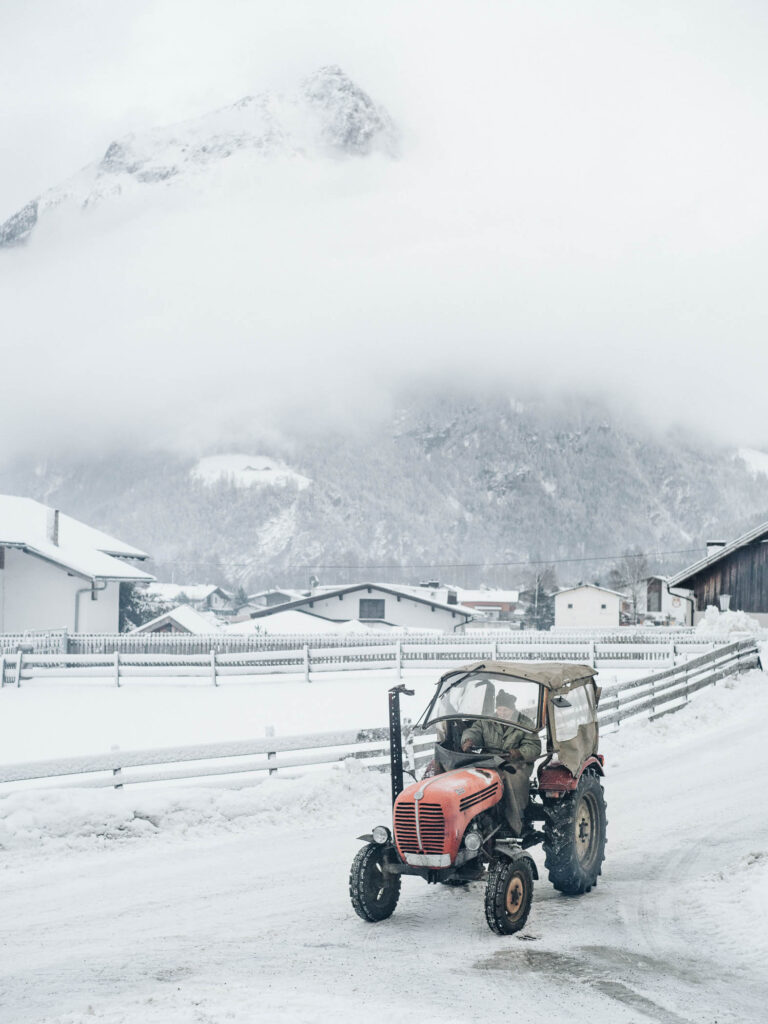
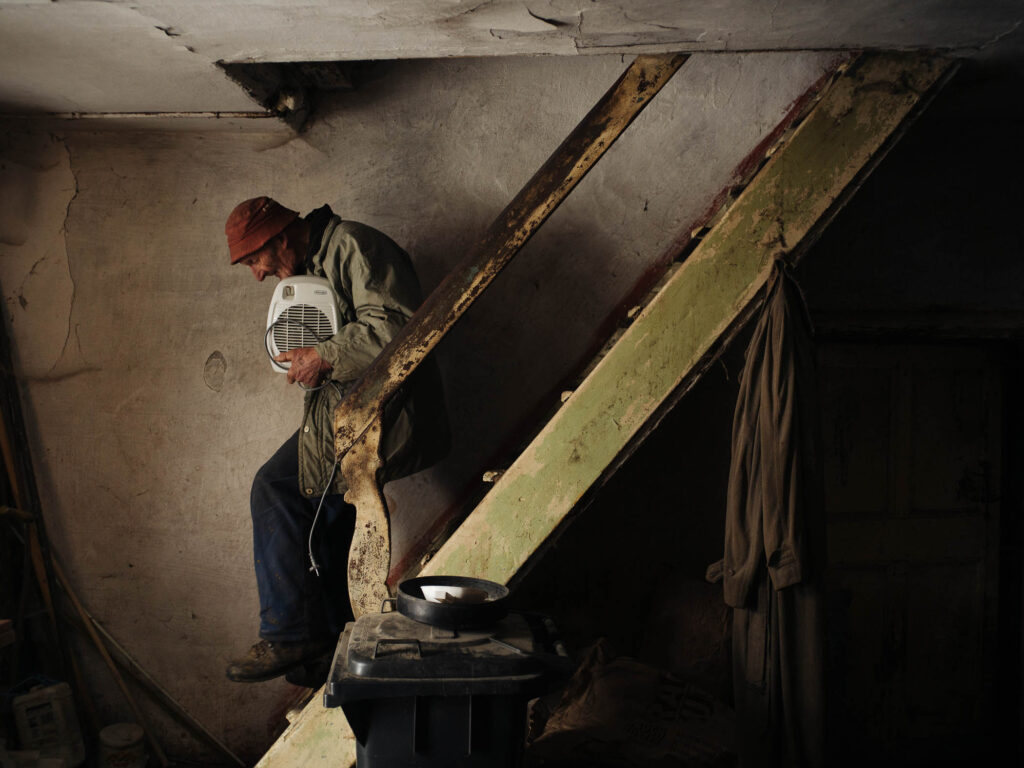
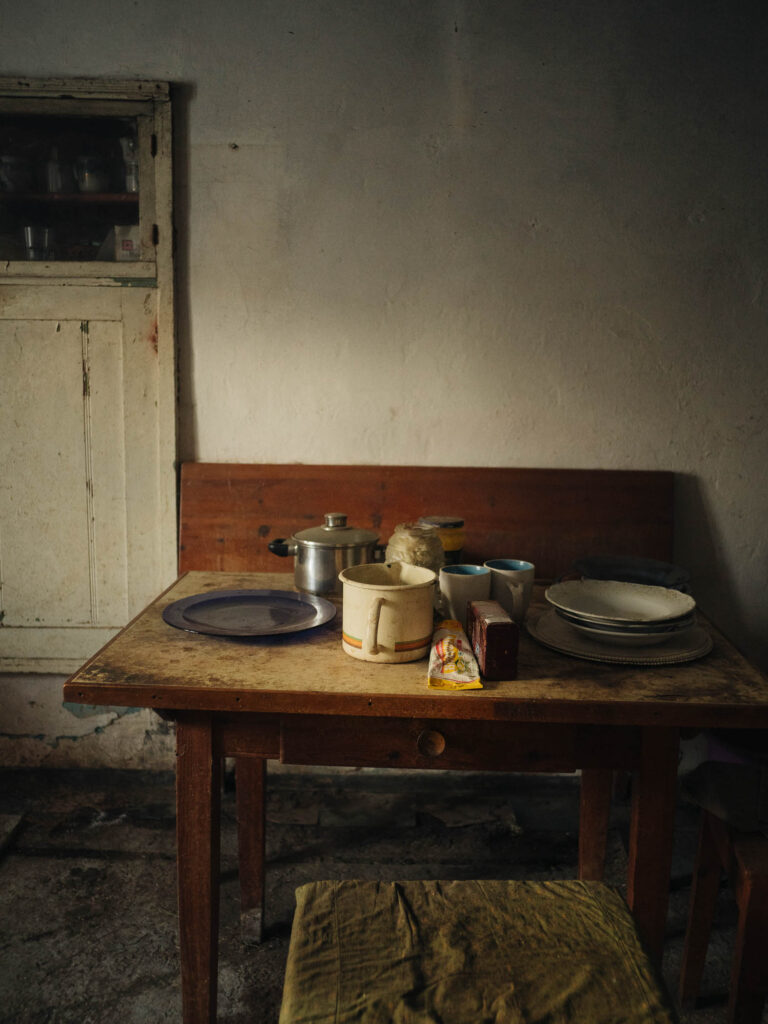
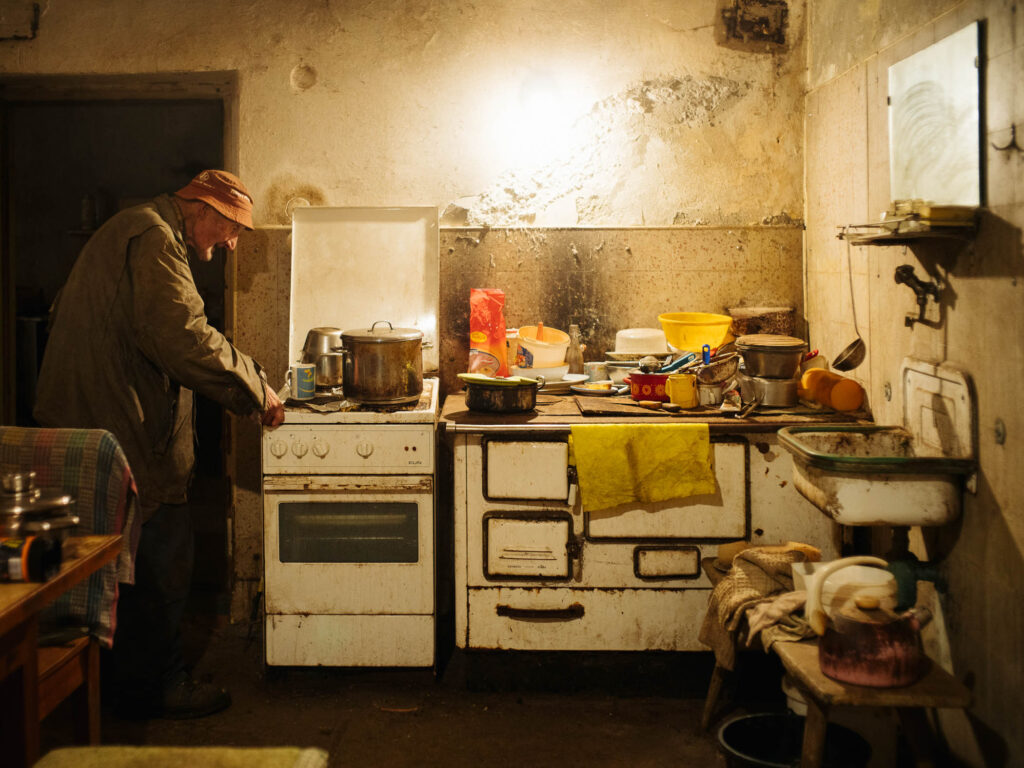
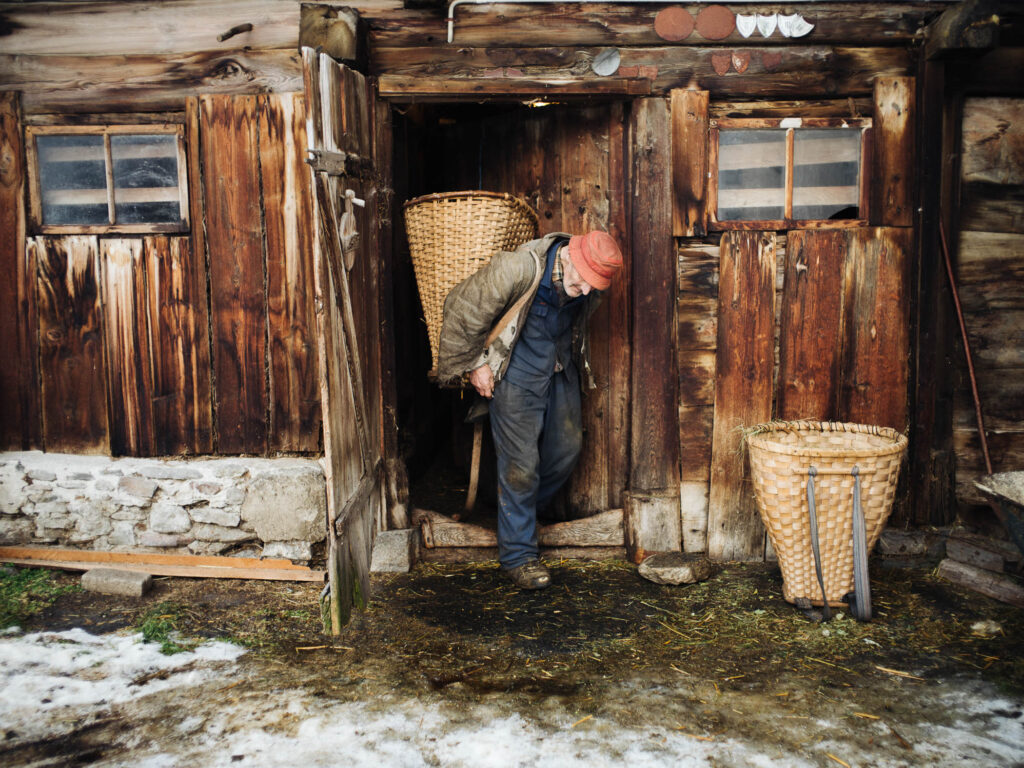
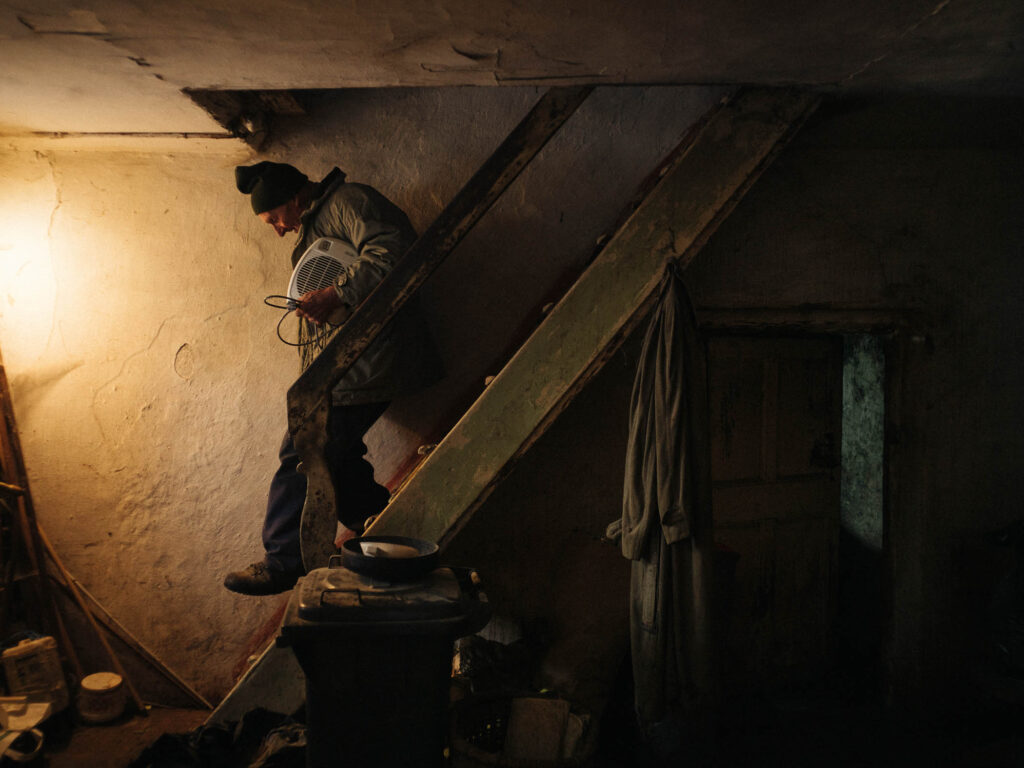
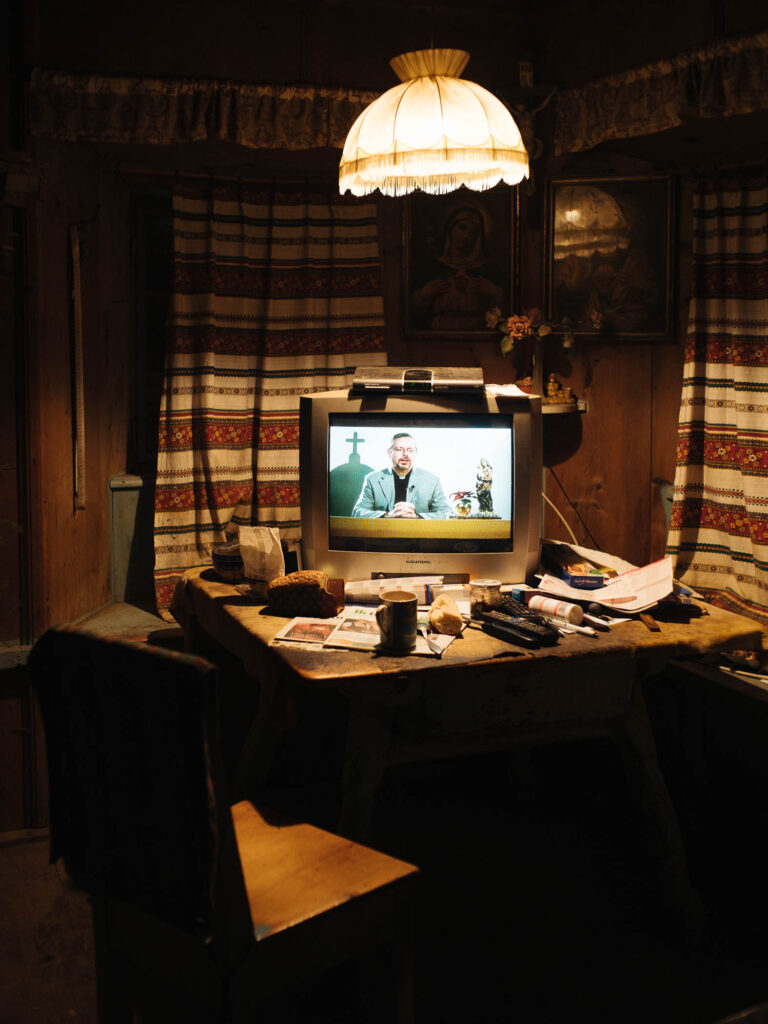
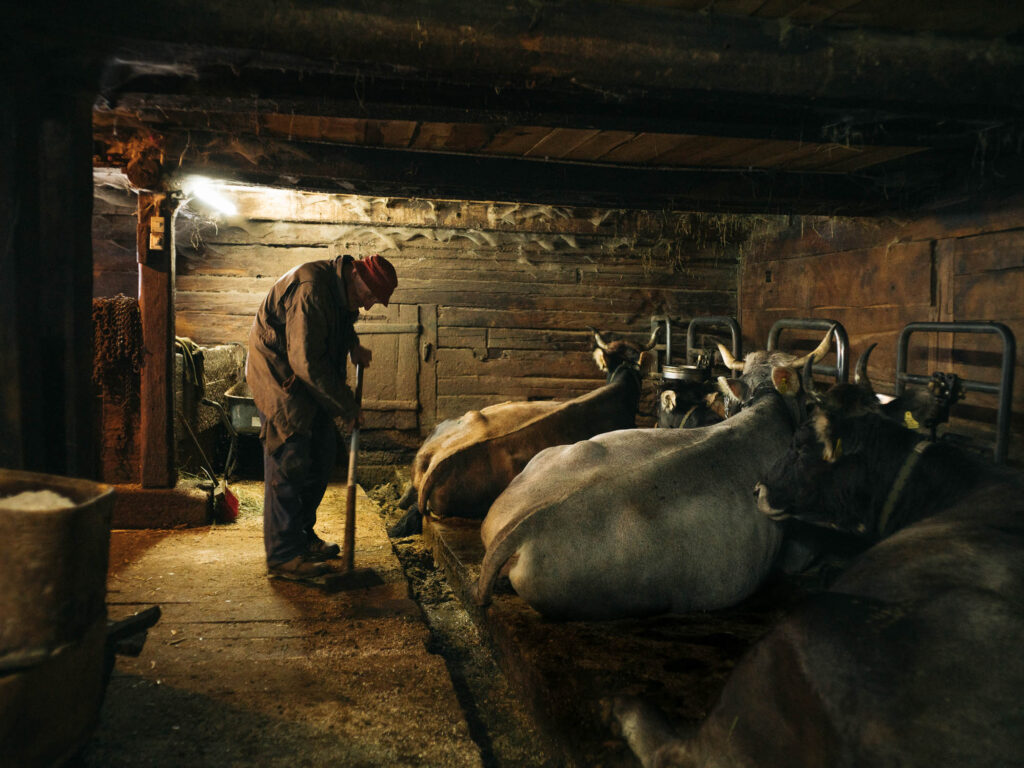
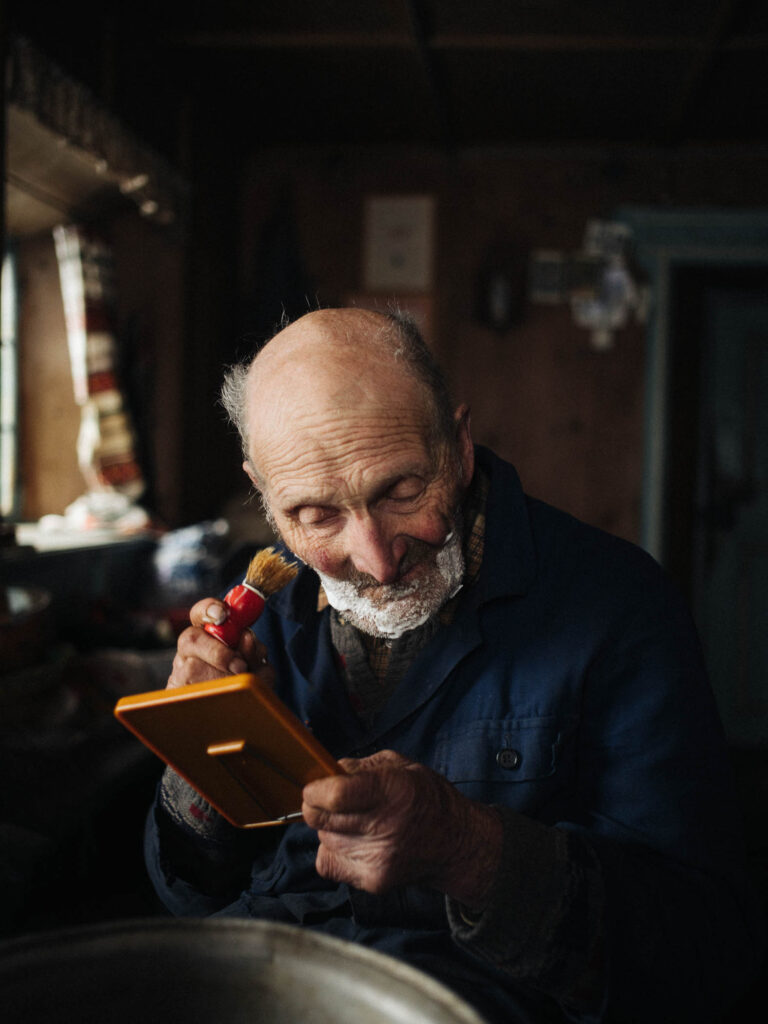
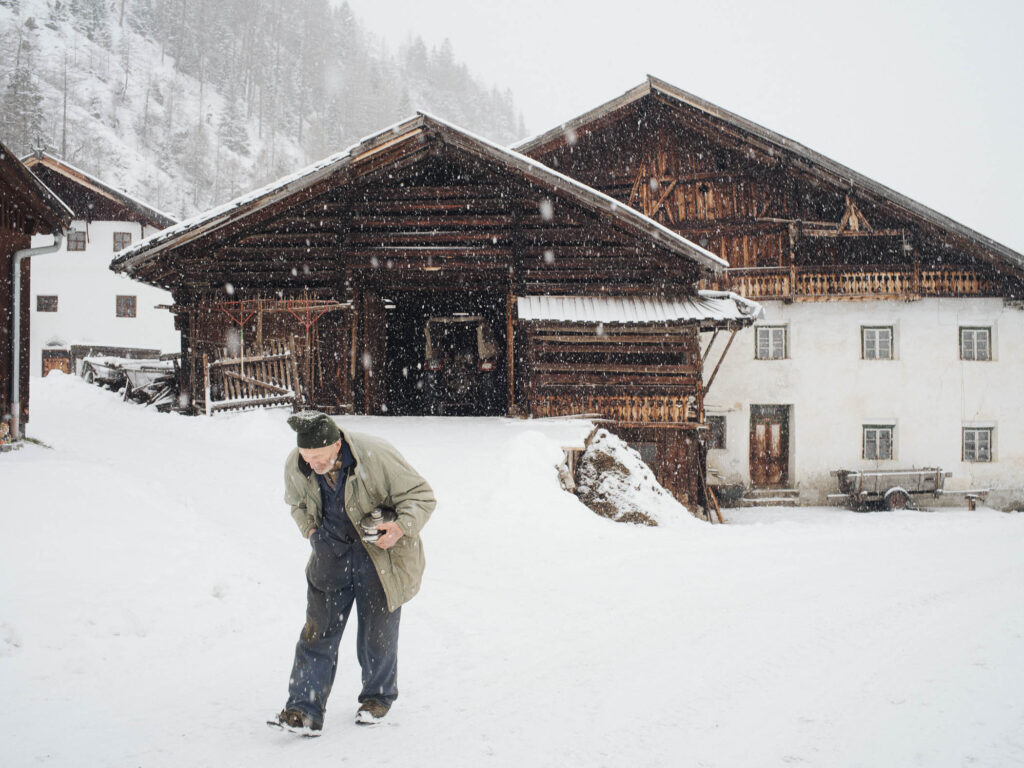
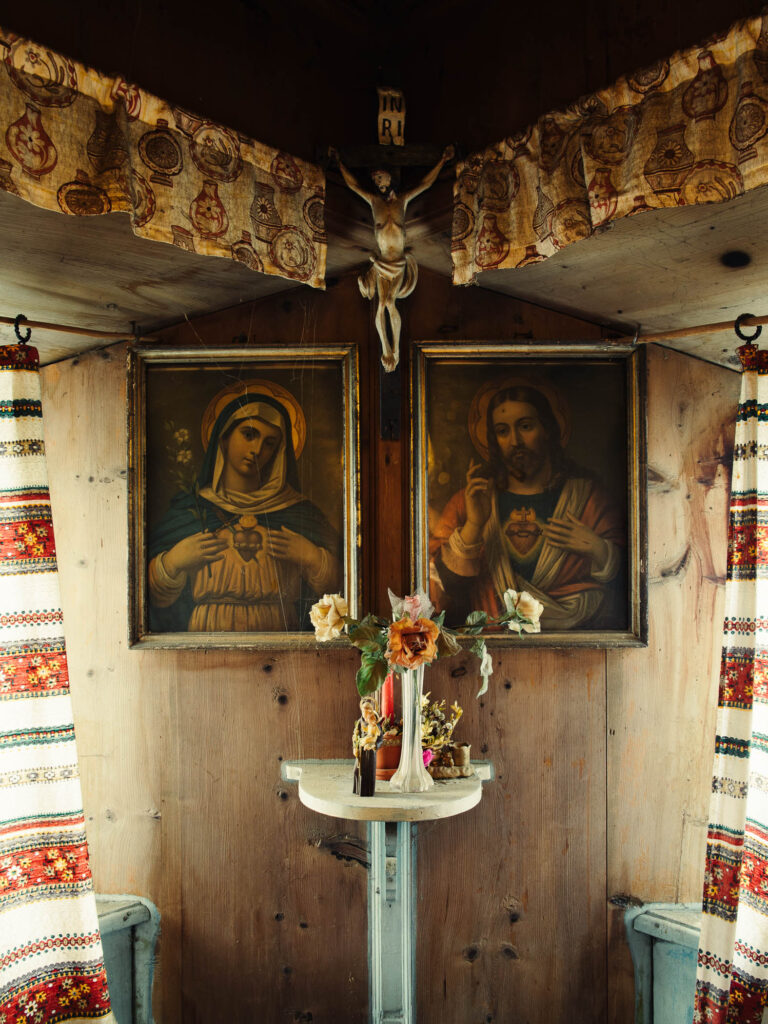
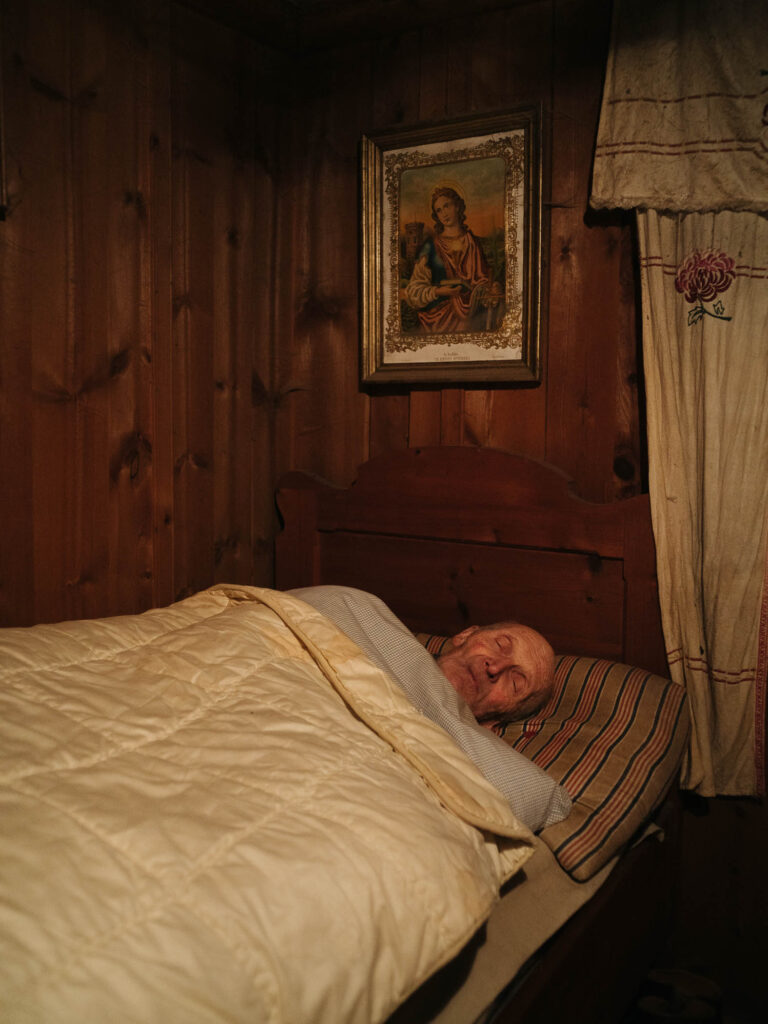
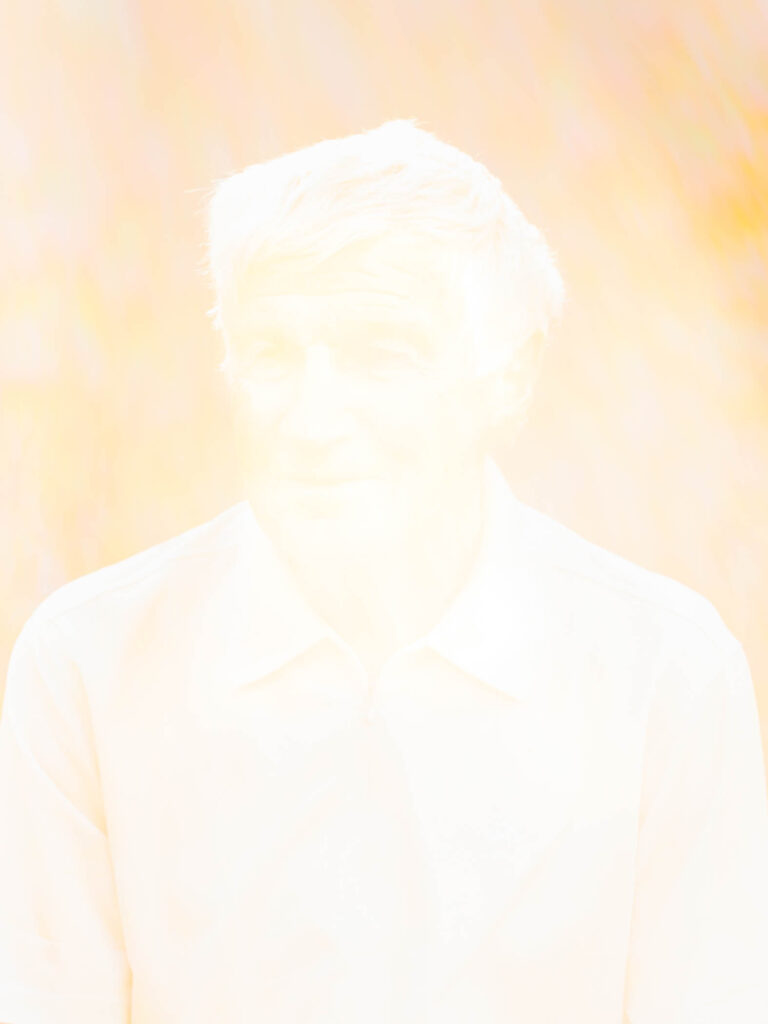
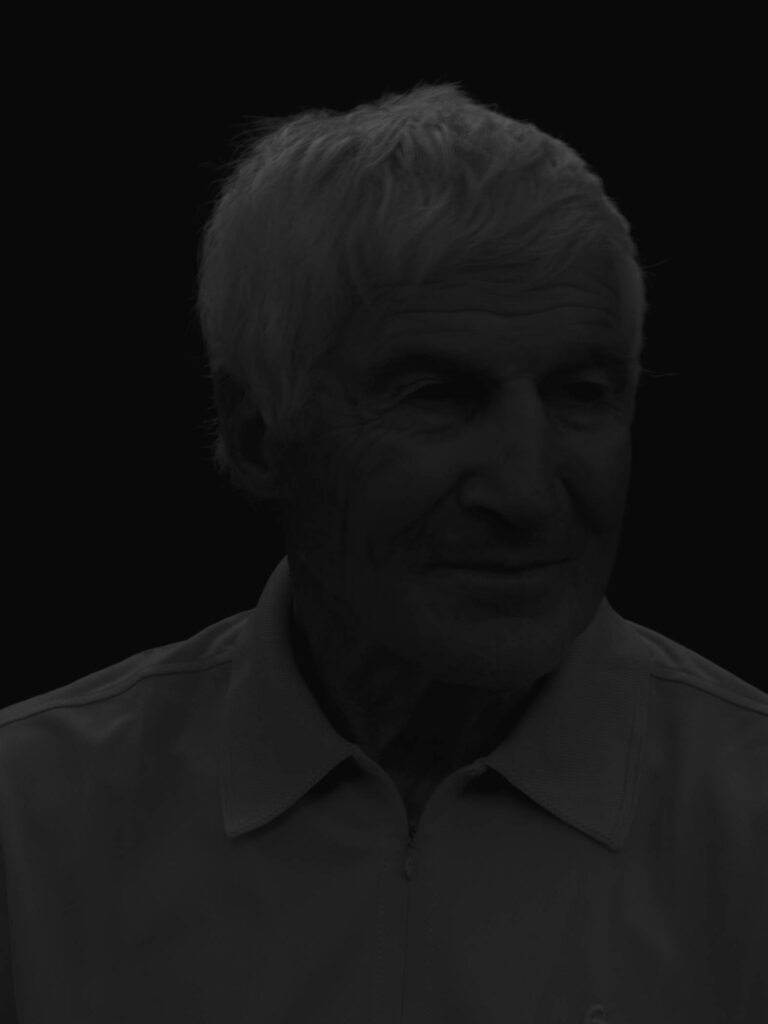
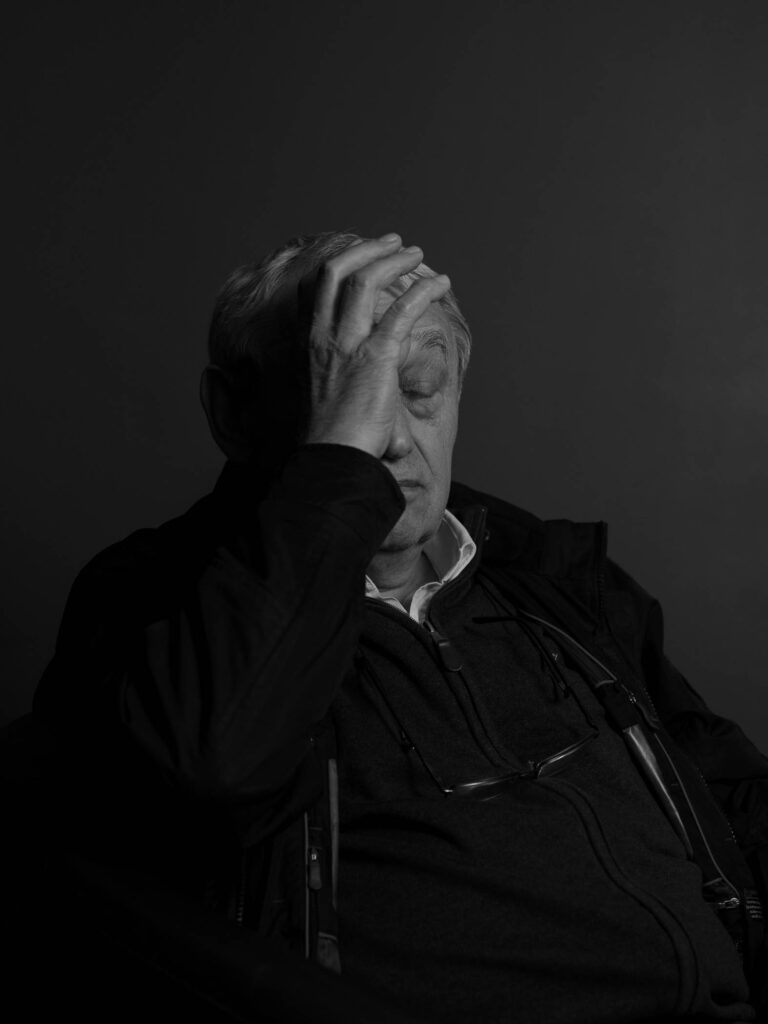
Josef lived at the edge of the village, in an old farmhouse that seemed barely connected to the present. No running water. No functioning heating system. Few possessions, few visitors, few words. A life made of gestures, repetitions, wood, cold, animals, work, and silence.
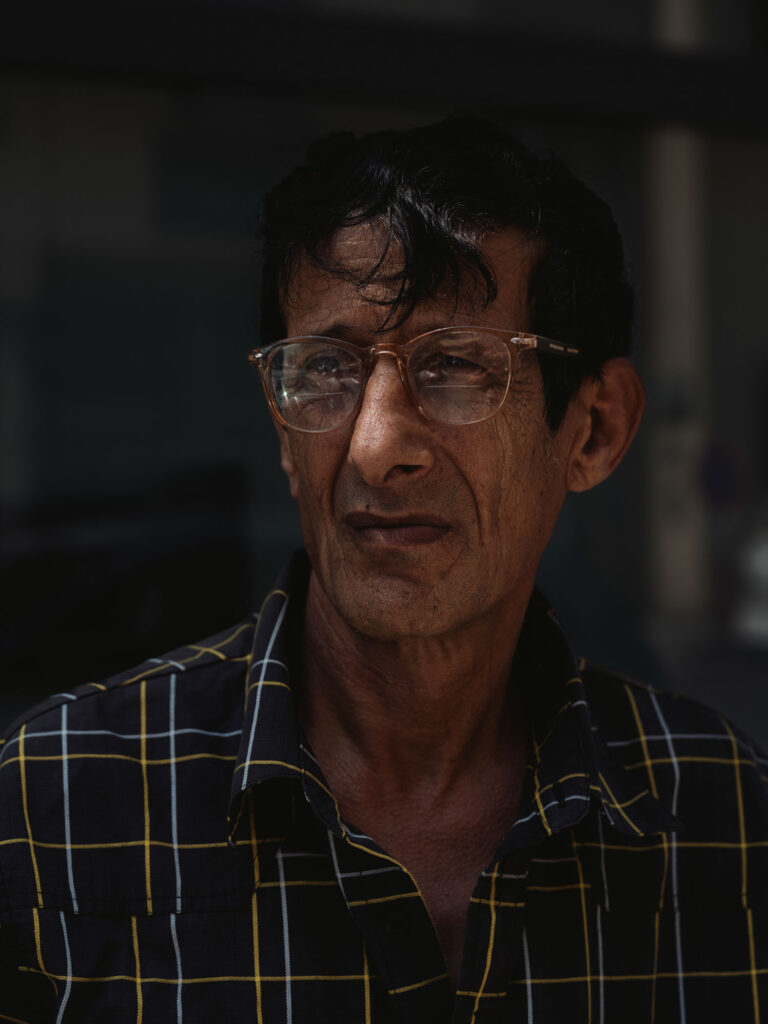
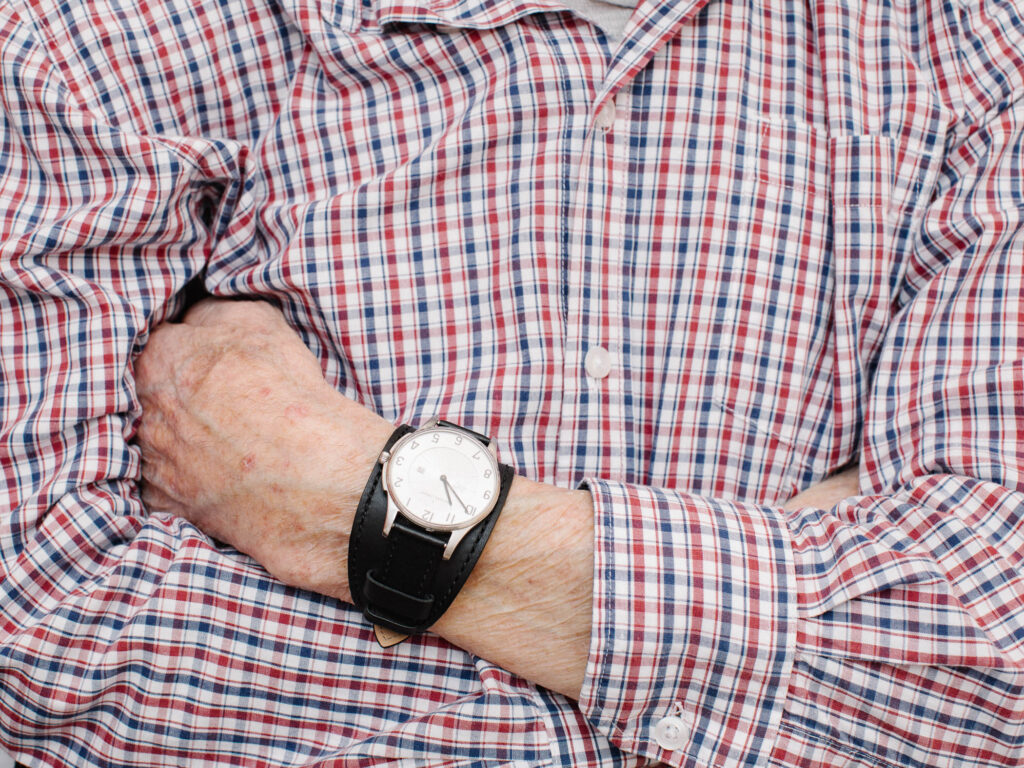
I had known Josef since childhood. Like many people in the village, I knew who he was without really knowing him. In 2017, I began to photograph him. Distance slowly turned into a relationship, and later into a friendship. The camera was never only a tool of observation. It also became a reason to stay.
The images from the farmhouse carry a warmth that is dangerous. Dark rooms, old beams, simple objects, a bodily closeness to work and nature. Everything in them can easily be read as something original, as a life before alienation. At the same time, Josef’s life was hard, lonely, and shaped by scarcity. The romance lies less in Josef than in the gaze directed at him.
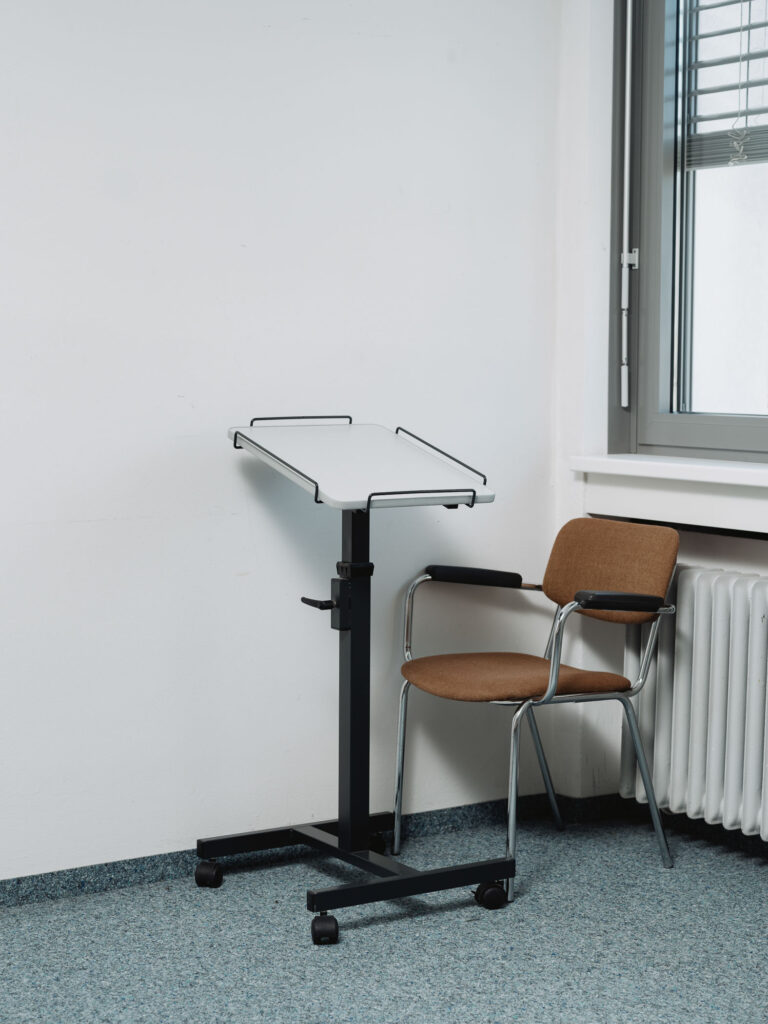
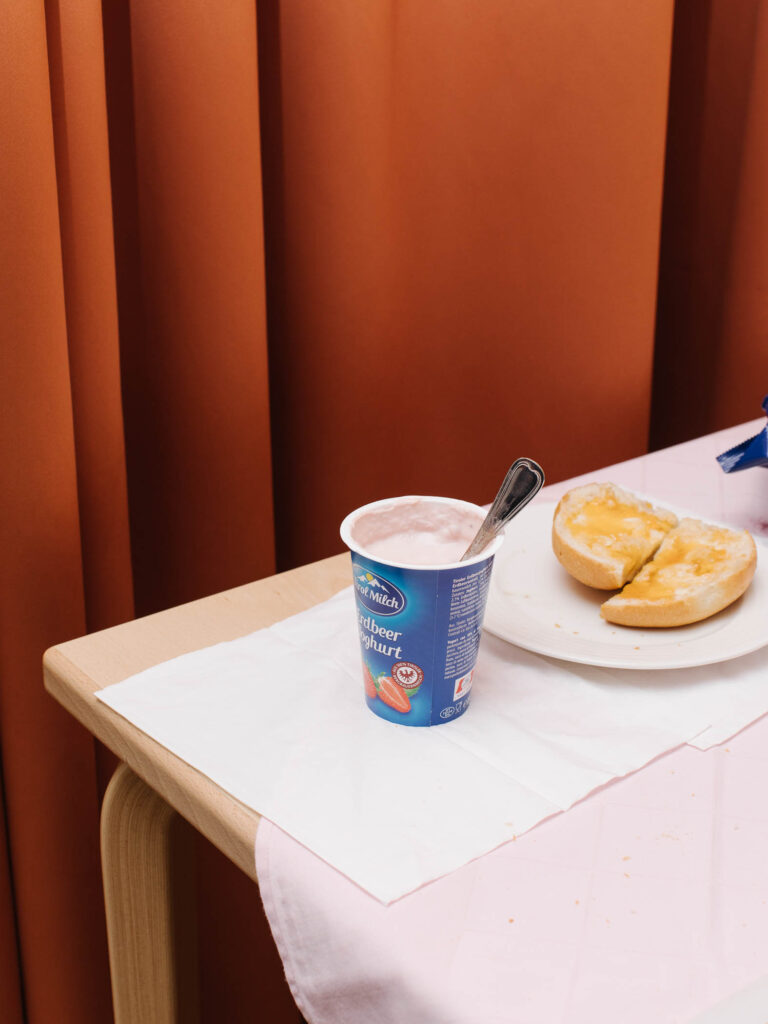
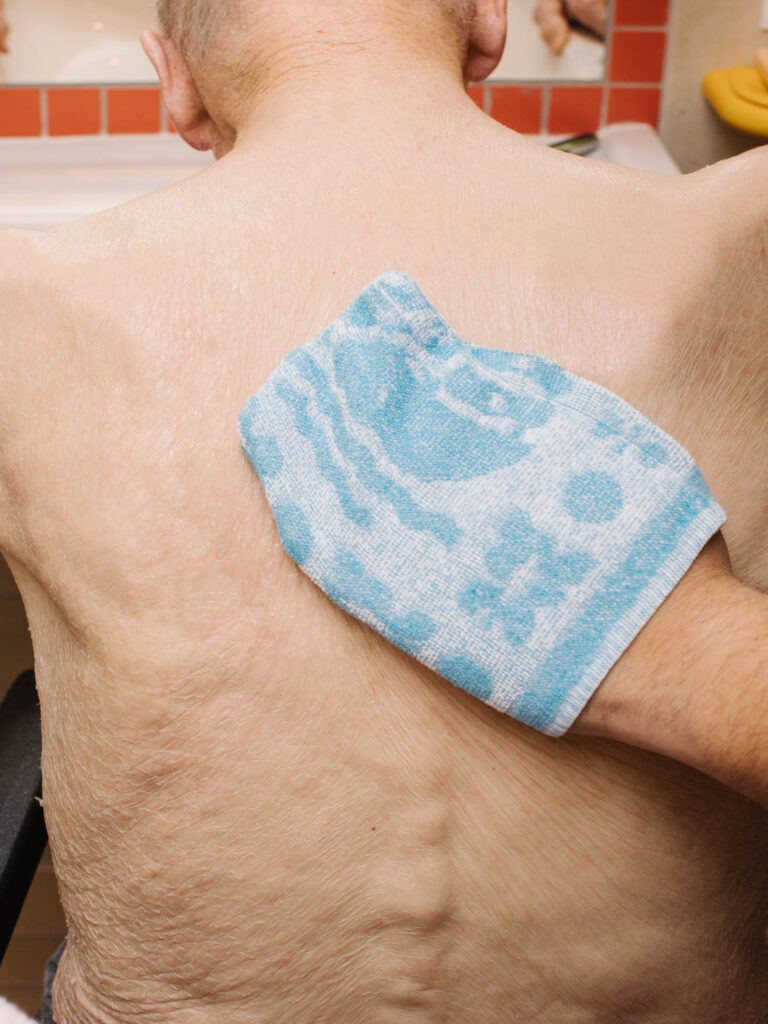
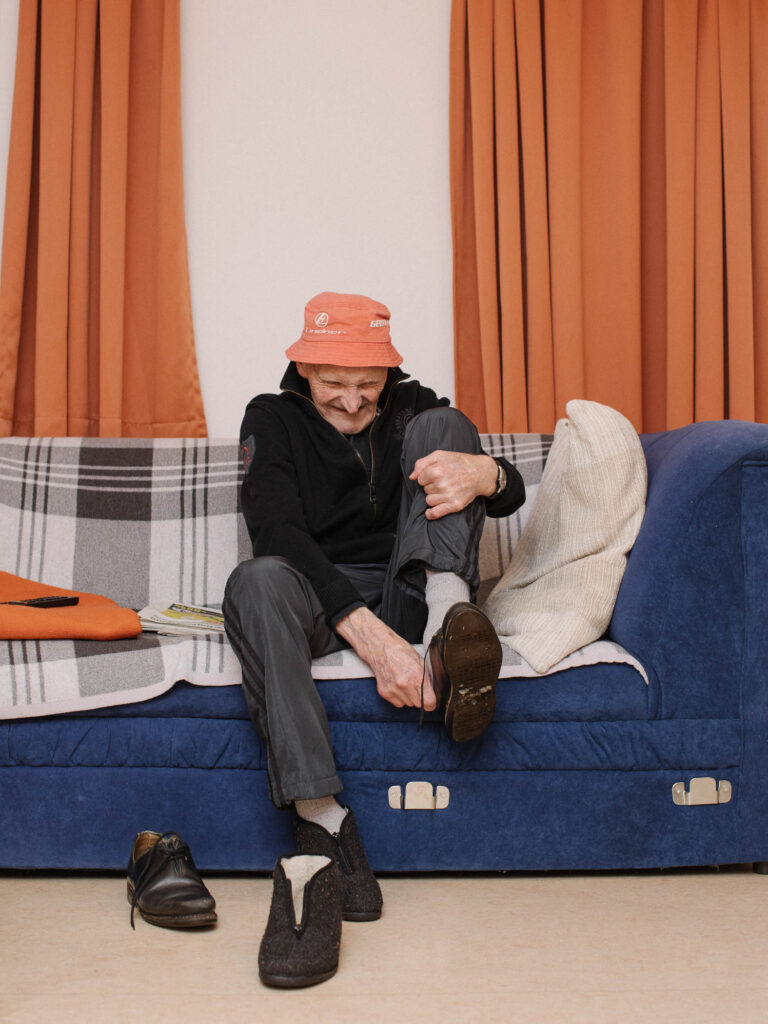
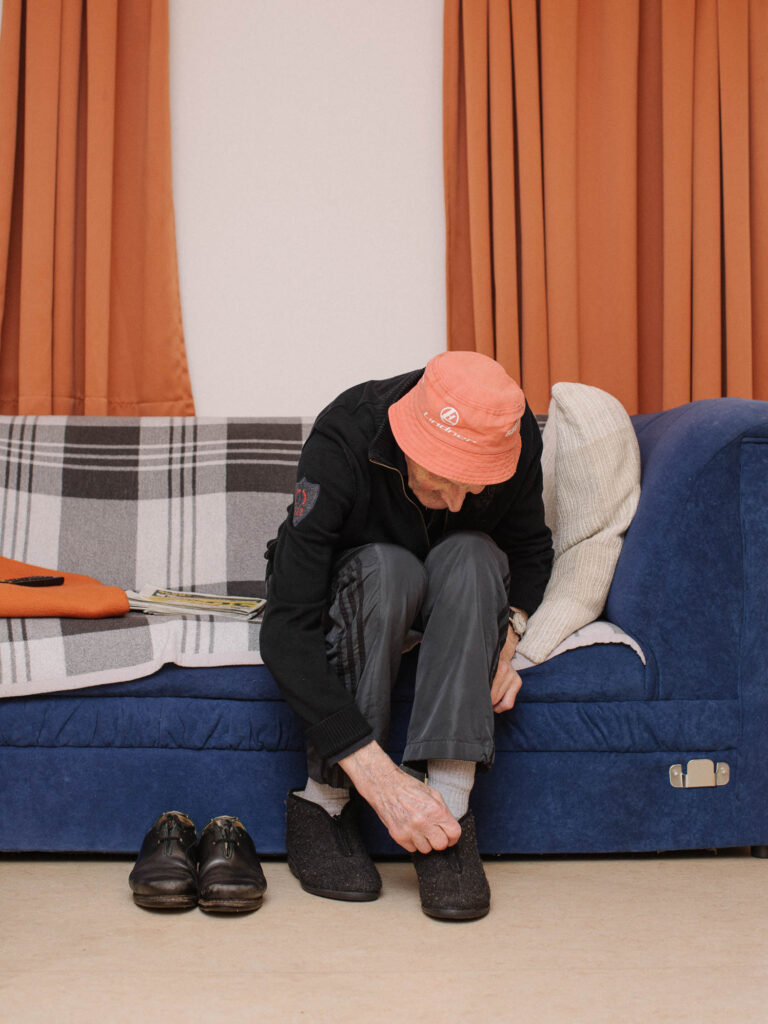
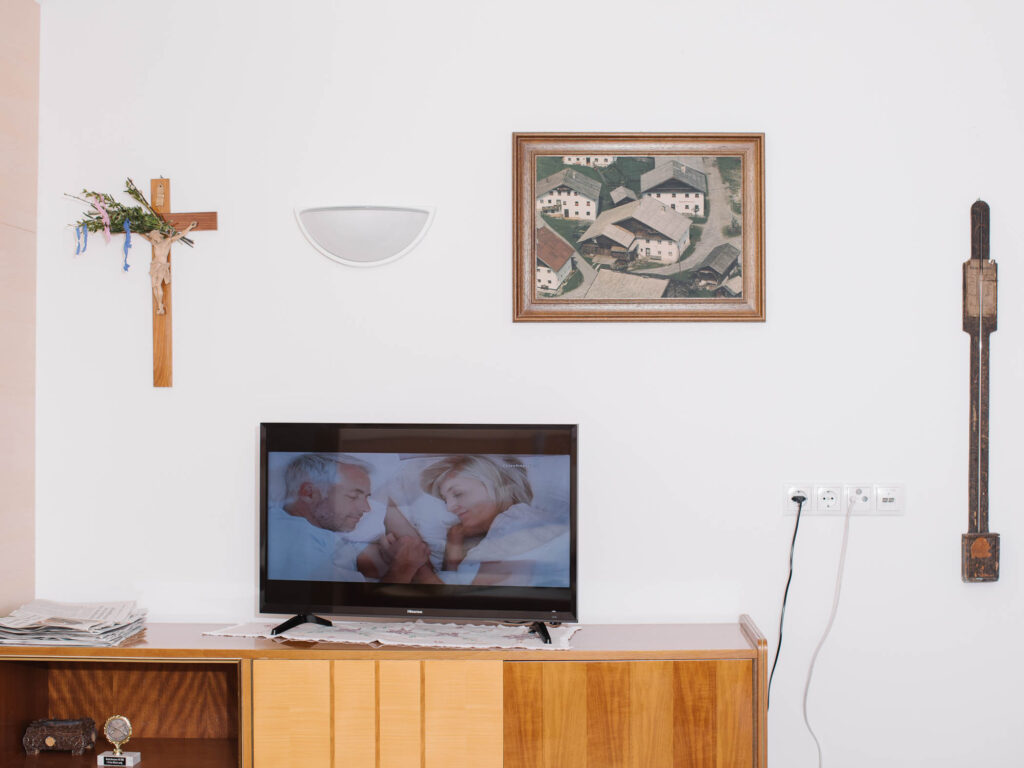
When Josef moved into the retirement home in 2018, the visual language of the work changed. The spaces became brighter, smoother, more functional. Care beds, linoleum floors, schedules, routines. The idiosyncratic order of his house gave way to the administered order of care.
EXHIBITIONS
2018 – Lumix Festival, Hannover, DE
2018 – Visa pour l’Image, Perpignan, FR
2022 – First Pages, Rautenstrauch-Joest-Museum, Cologne, DE
AWARD
2018 – Audience Award, Hannoversche Allgemeine Zeitung (HAZ)
InfoX
ENCYCLOPEDIA OF POTENTIAL TRUTH
On the Ordering of Images
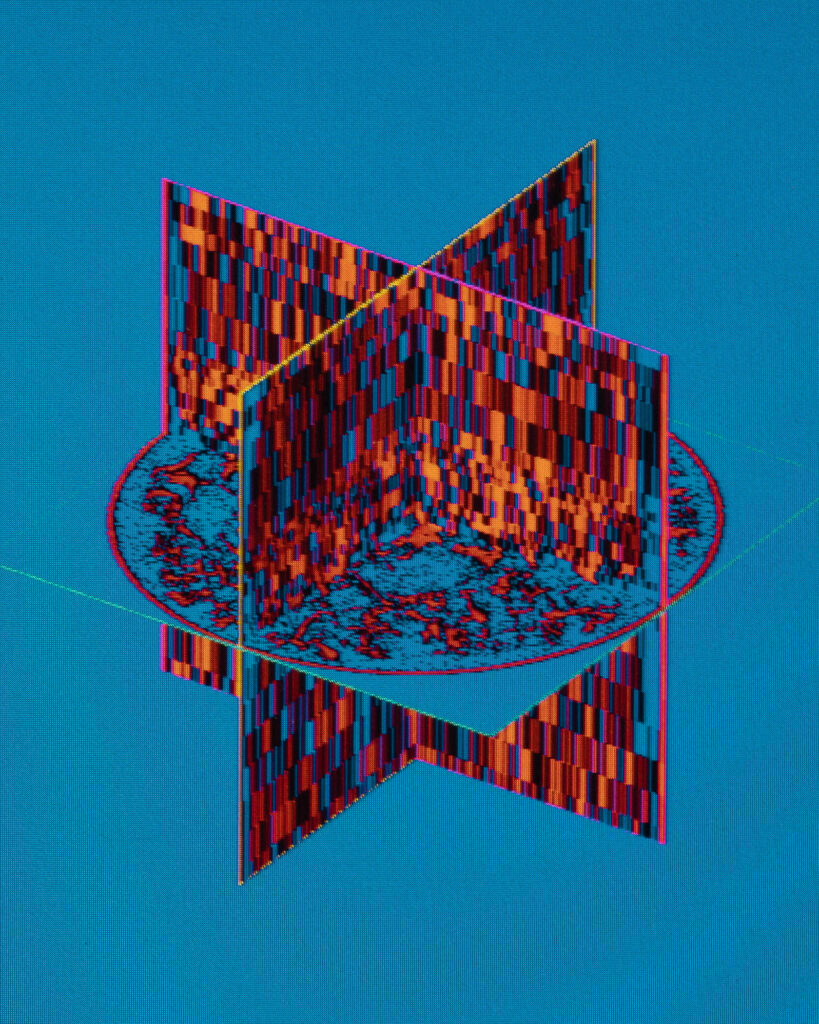
The Encyclopedia of Potential Truth (EoPT) functions as a critical tool that centers on the representation of knowledge through the medium of photography. Developed as a graduation project at Hochschule Hannover, the work is both a reflection on traditional documentary photography and an attempt to explore new narrative possibilities.
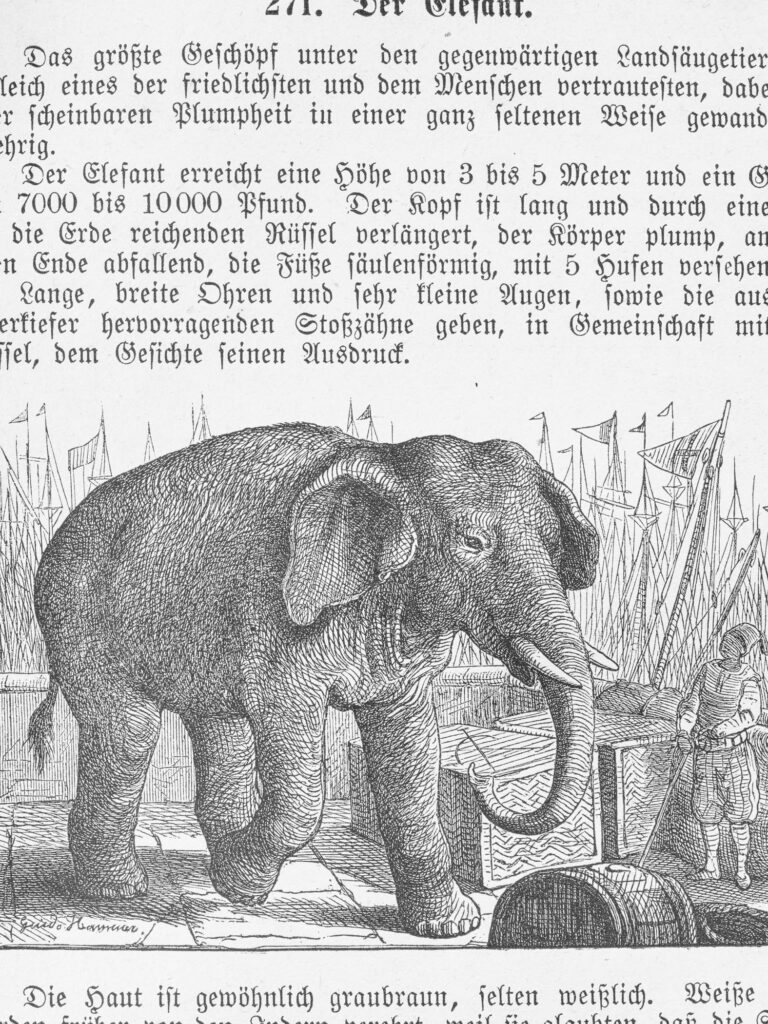
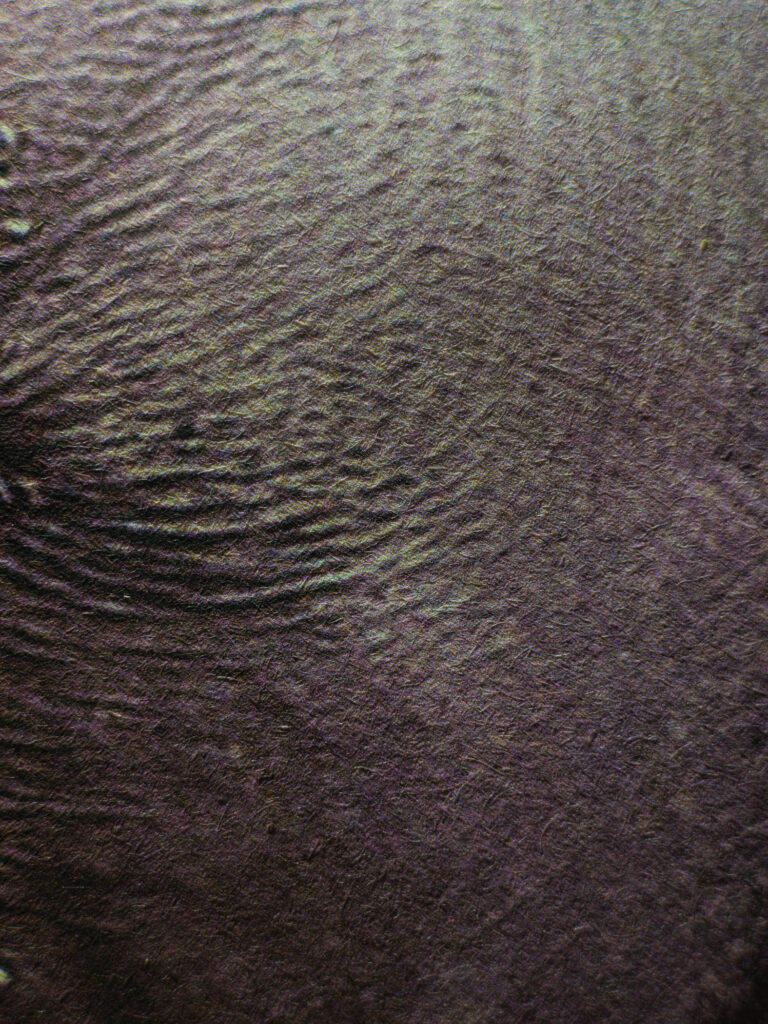
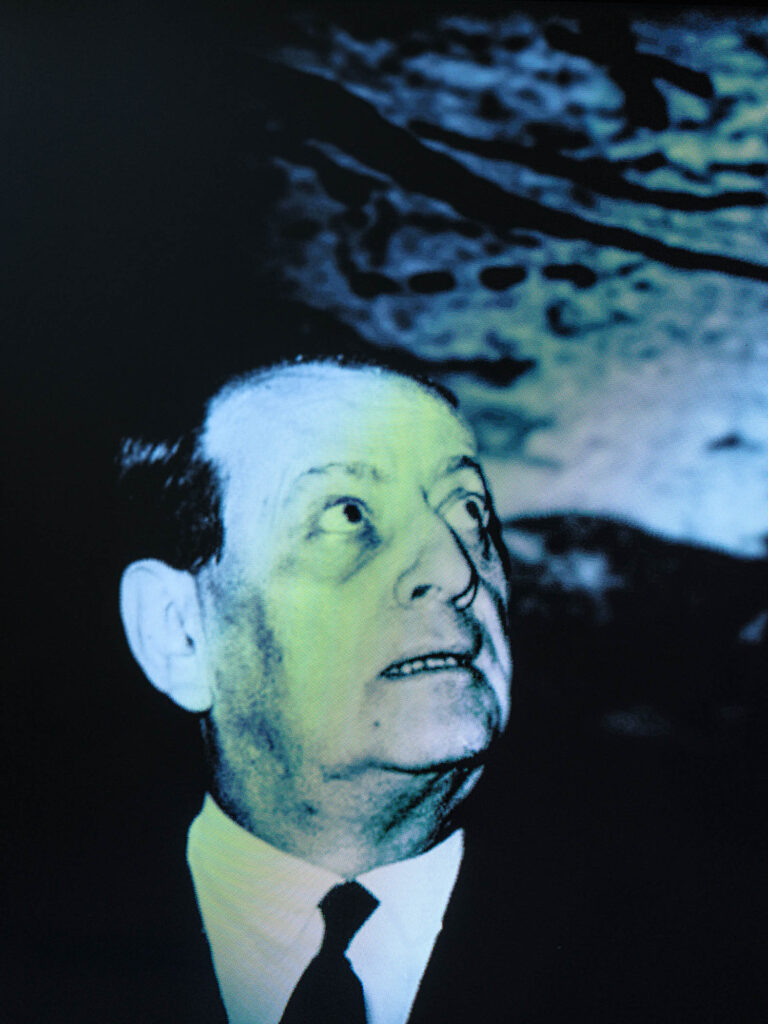
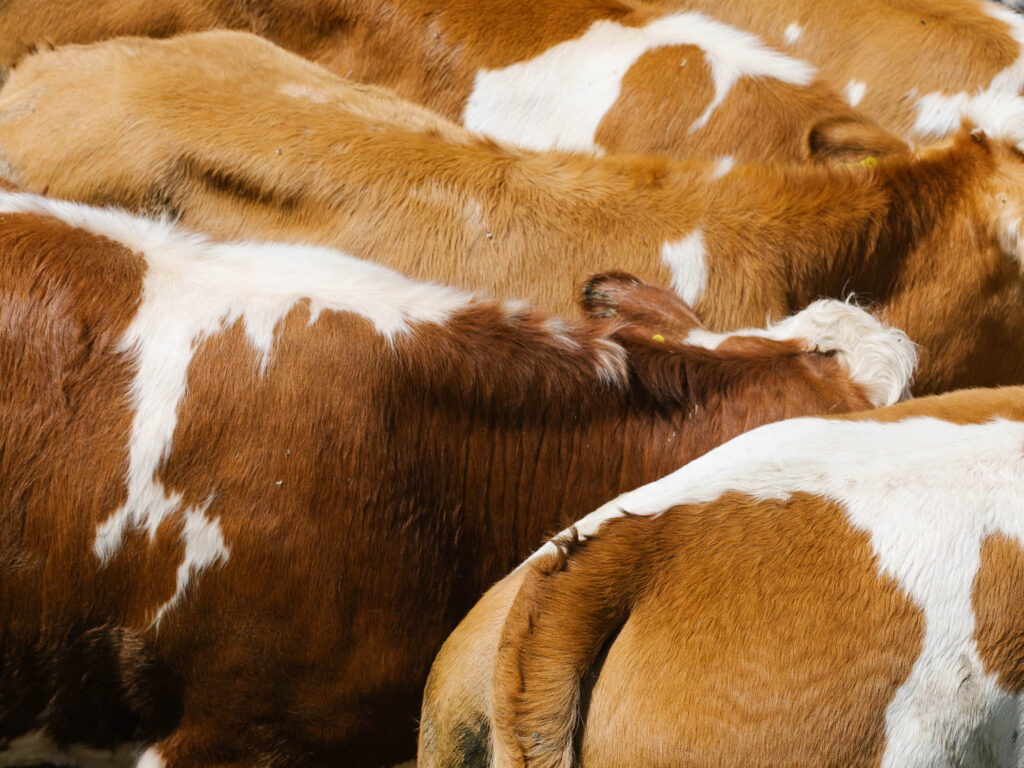
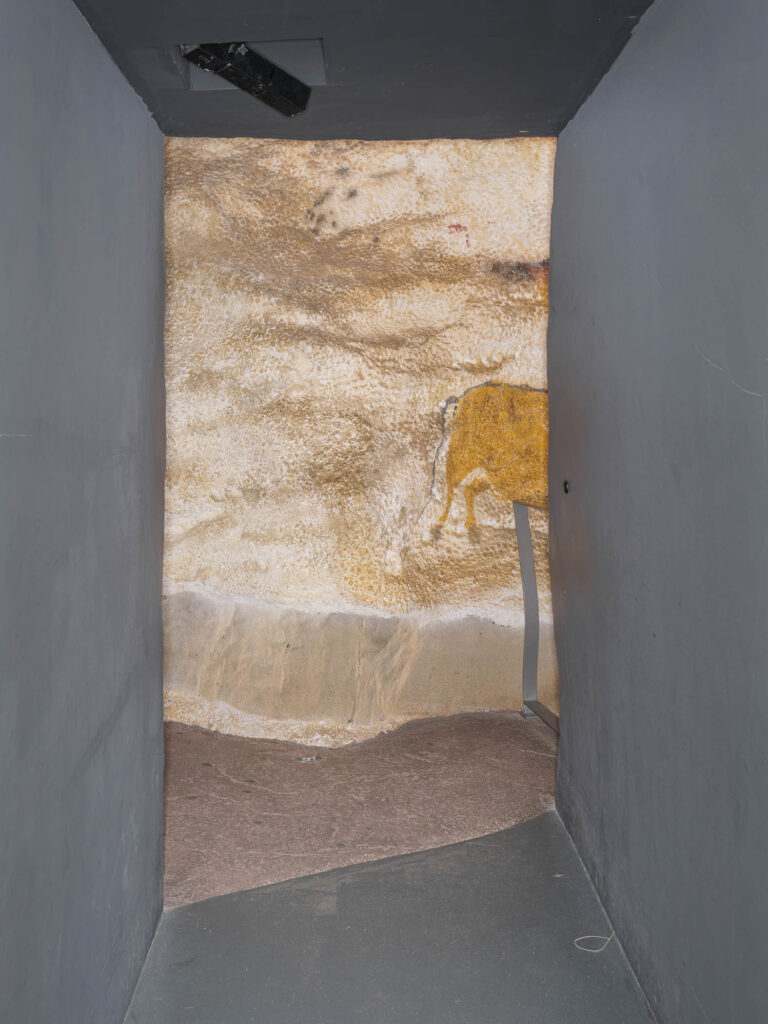
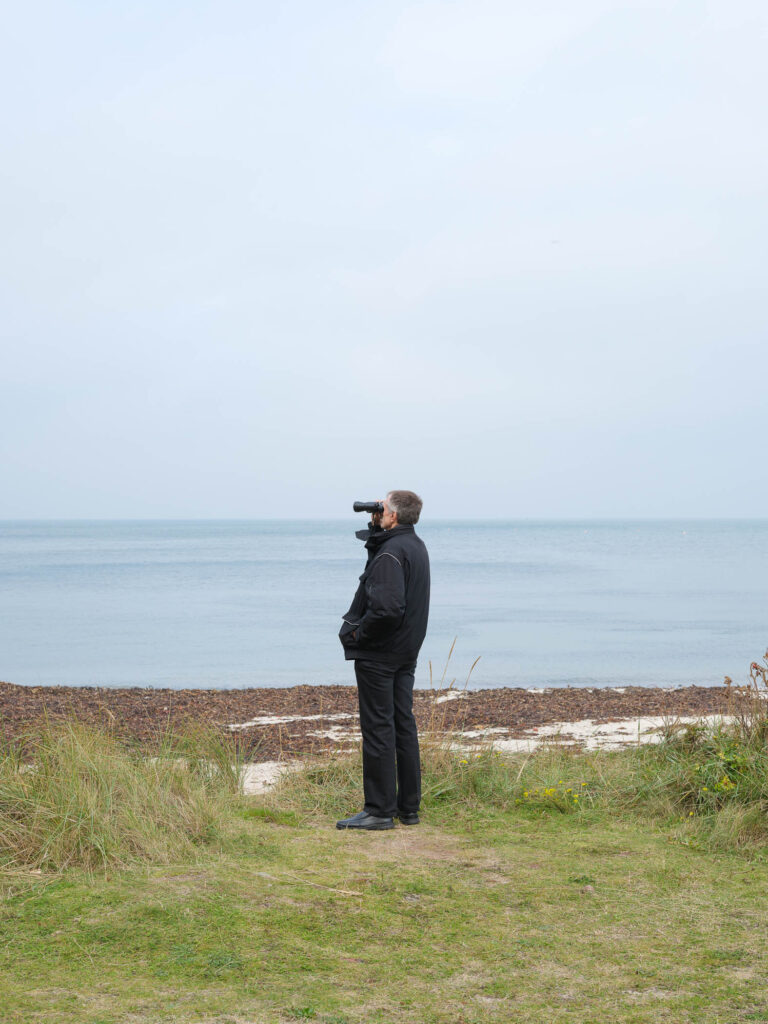
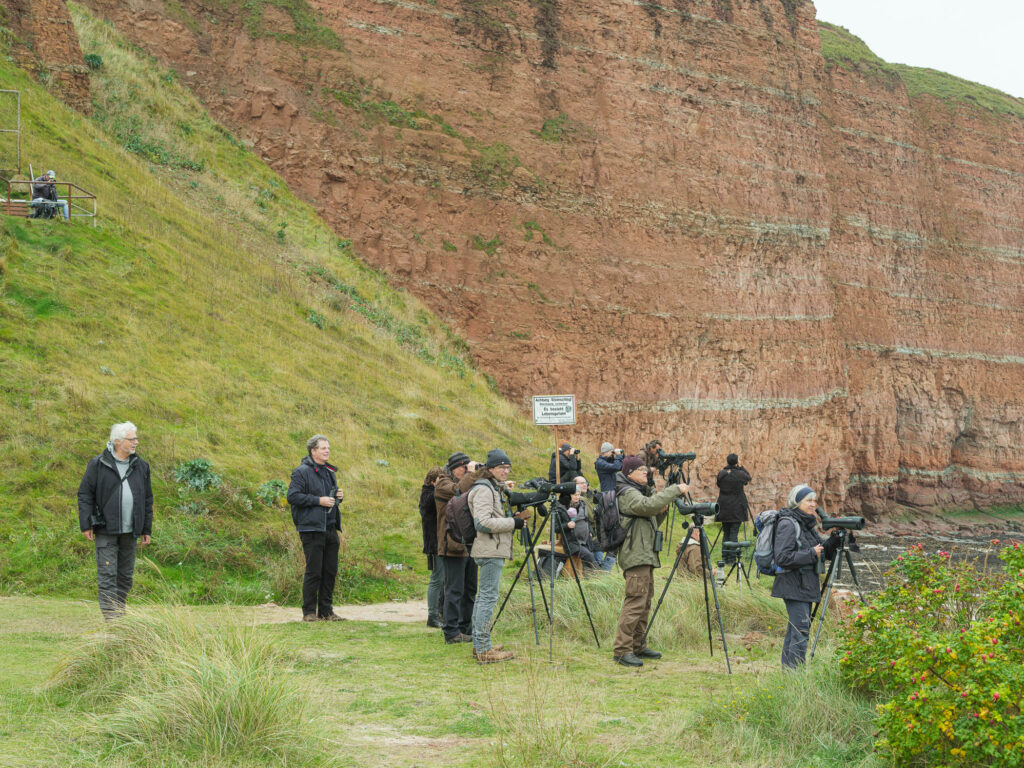
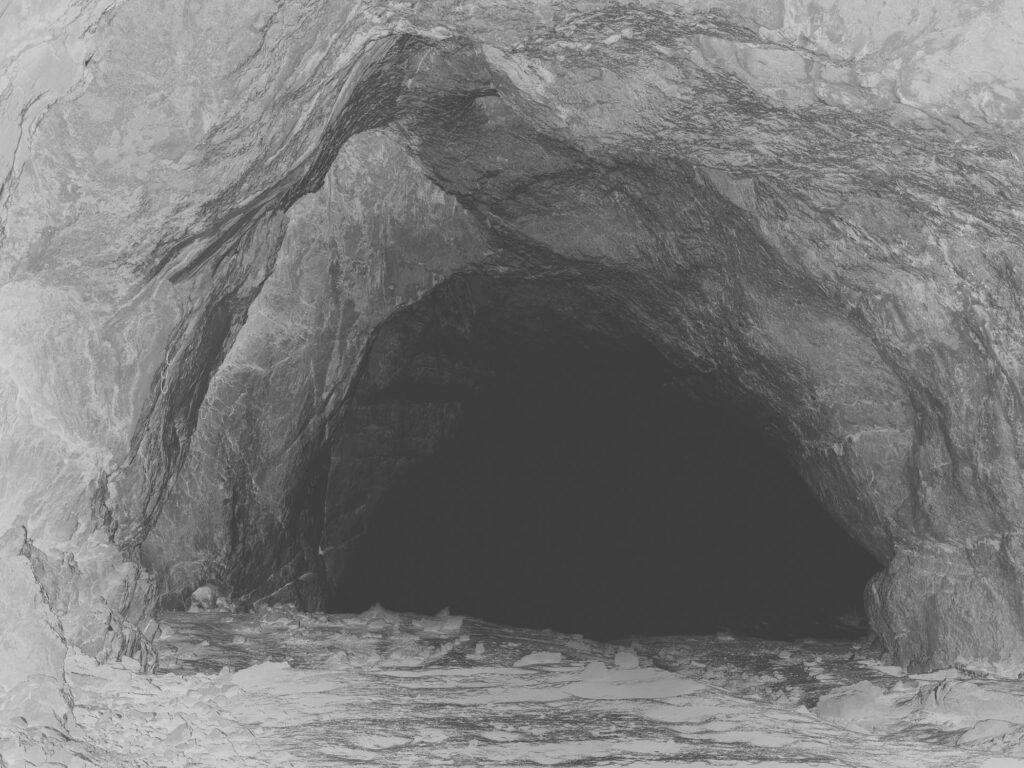
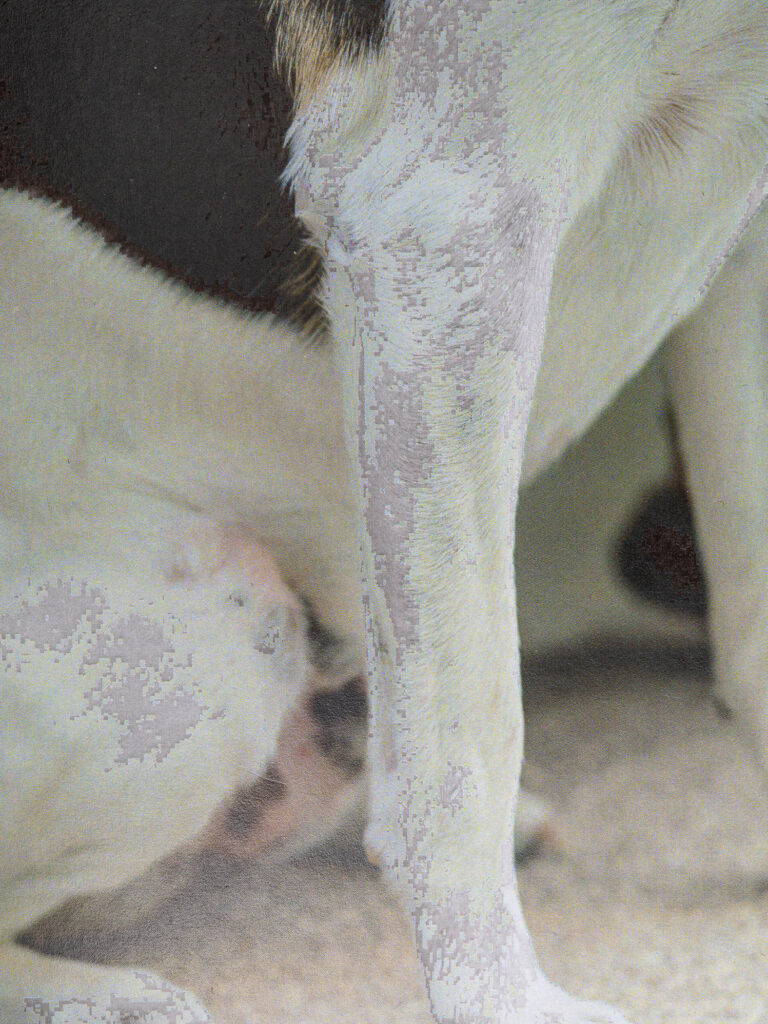
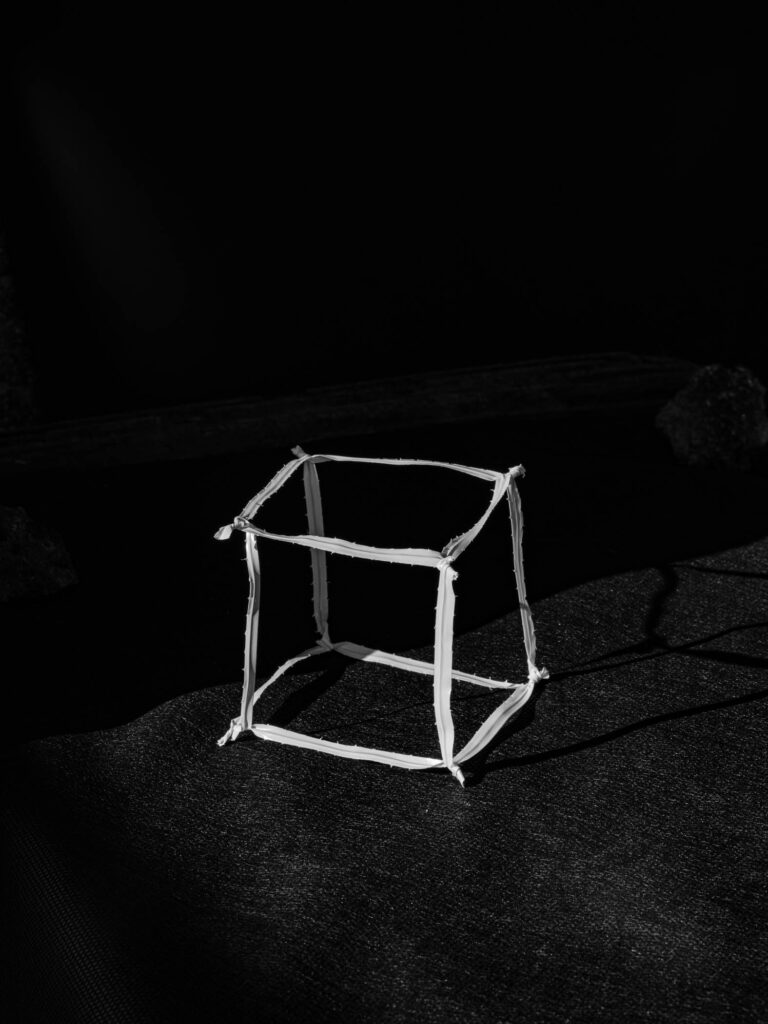
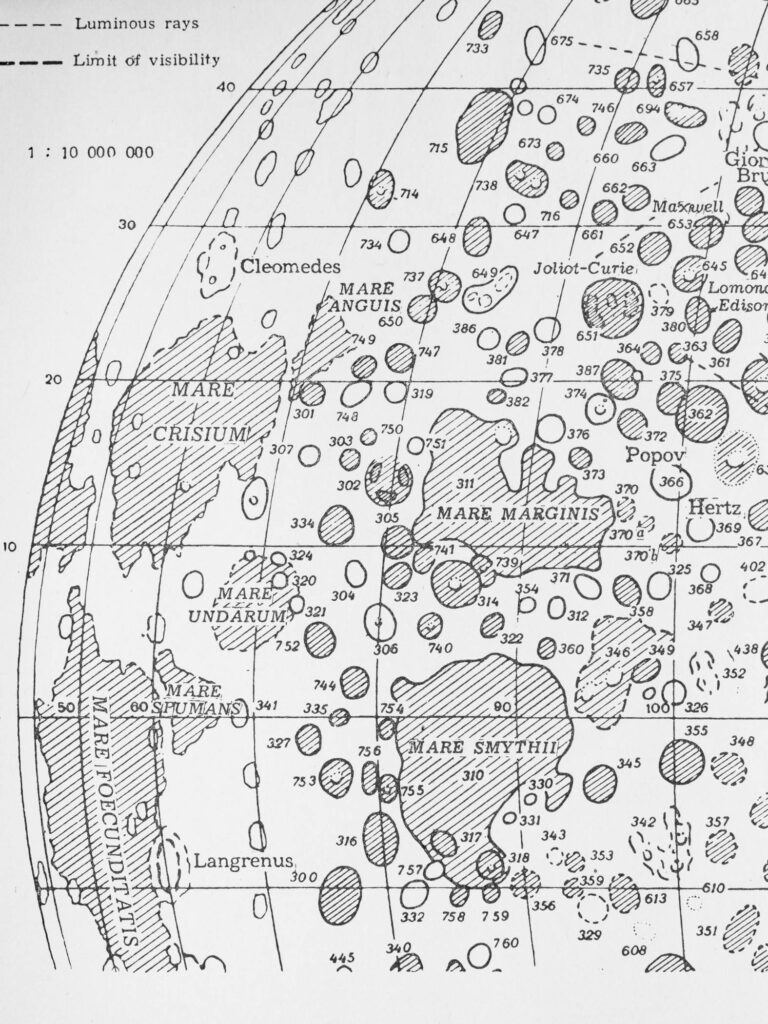
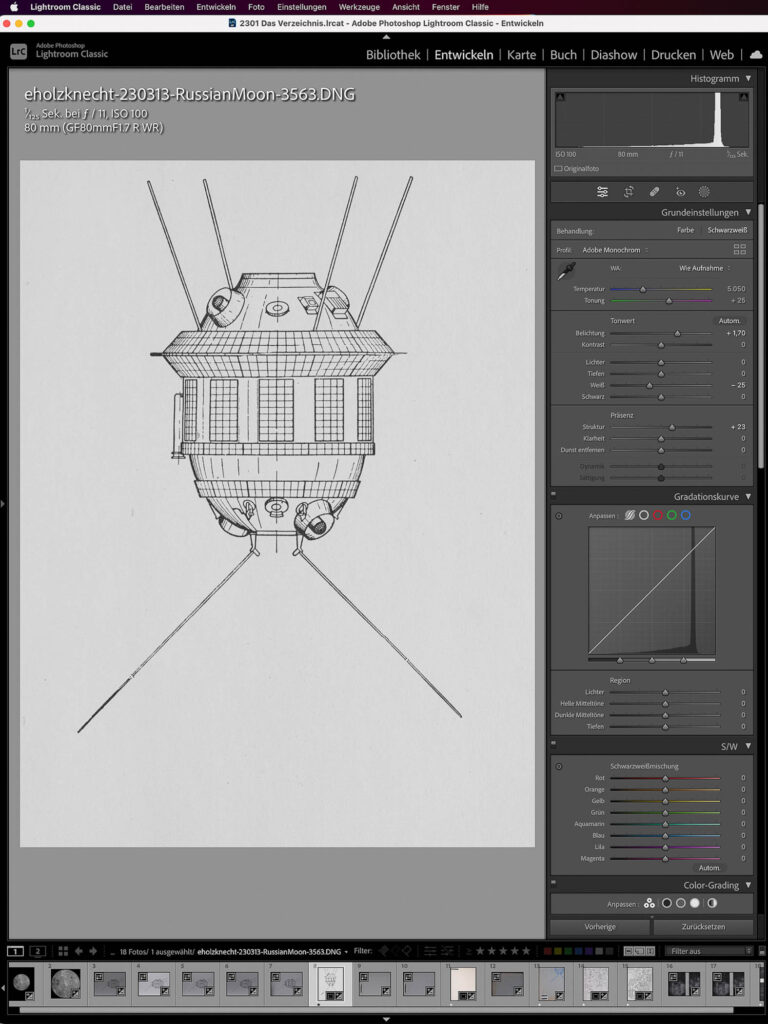
The EoPT breaks away from the structure of conventional encyclopedias and invites viewers to wander through a labyrinth of topics that appear, at first glance, entirely unrelated. From the cave paintings of Lascaux to the first images of the far side of the moon, from the early formulations of quantum physics on Helgoland to the assassination of Archduke Franz Ferdinand or the biological experiments of the Heck brothers—an alternative narrative of knowledge unfolds, one that blurs the boundaries between science, history, and art. Throughout the entire process—from research to production to editing—I was guided by the principle of serendipity.
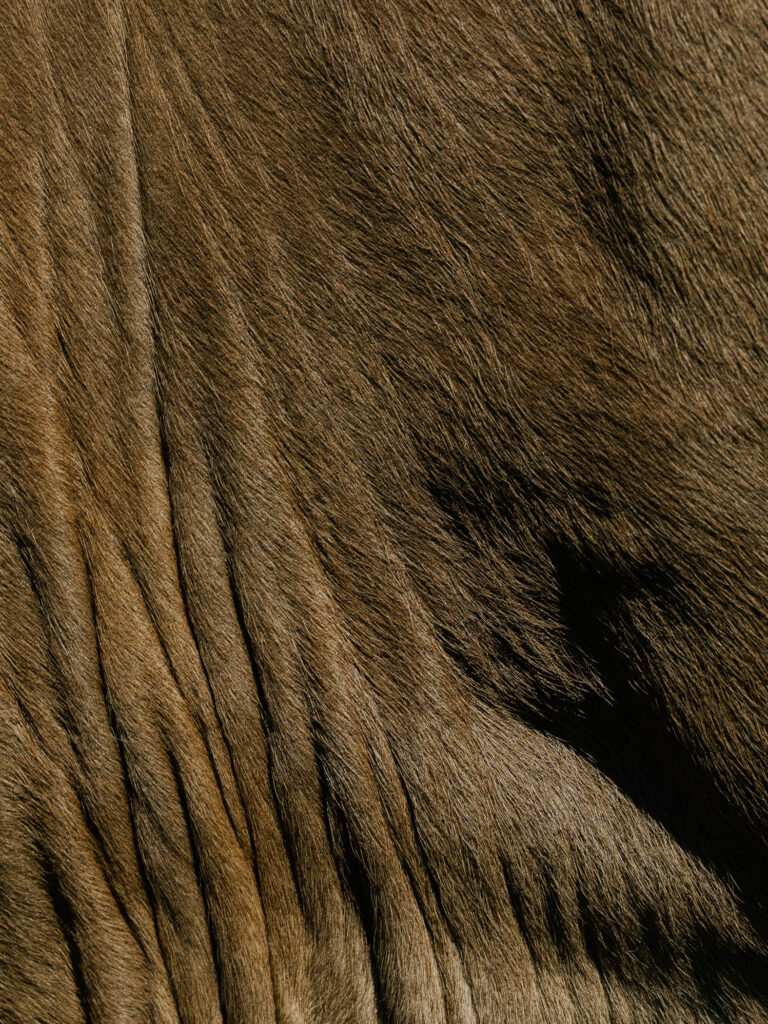
At the heart of this multiplicity lies a reflection on the many potential forms of truth and the significance of representation. The EoPT encourages viewers to acknowledge the surface qualities of images while using them to forge unconventional connections. These connections prompt us to question inherited narratives—not to settle into fixed explanations, but to explore new ways of engaging with the world, to open space and broaden discourse. It is an attempt to think with images, about images, and especially between images.
Concepts such as Peirce’s abduction and Wittgenstein’s language games helped me reflect on the function of narratives and images, and to develop a practice grounded in these theoretical considerations.
The EoPT is therefore not merely a book, but a living instrument—one that invites viewers to perceive the world anew. It encourages them to cross the boundaries of established stories and venture into the unknown. For beauty lies in ambiguity, truth in multiplicity, and insight in the process itself.
The final publication comprises 634 pages:
403 photographs, 43 textual fragments, 4 timelines, and 439 footnotes.
InfoX
ES WERDE SCHNEE
A search for traces in the context of artificial snow production and alpine landscapes
2016–ongoing
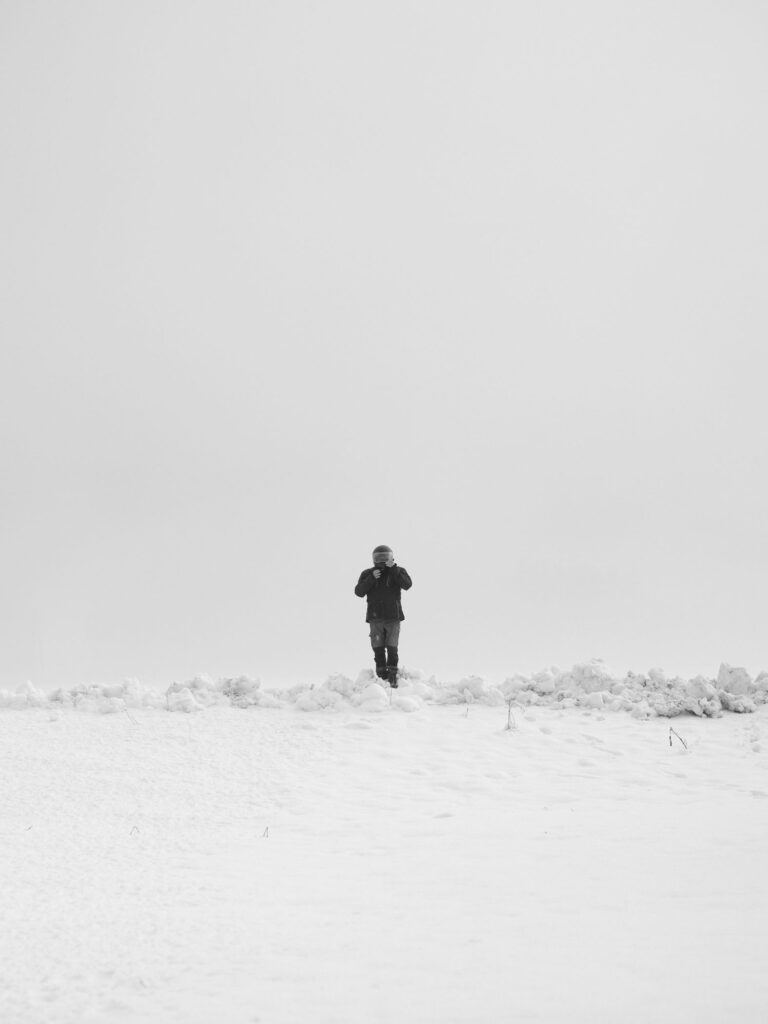
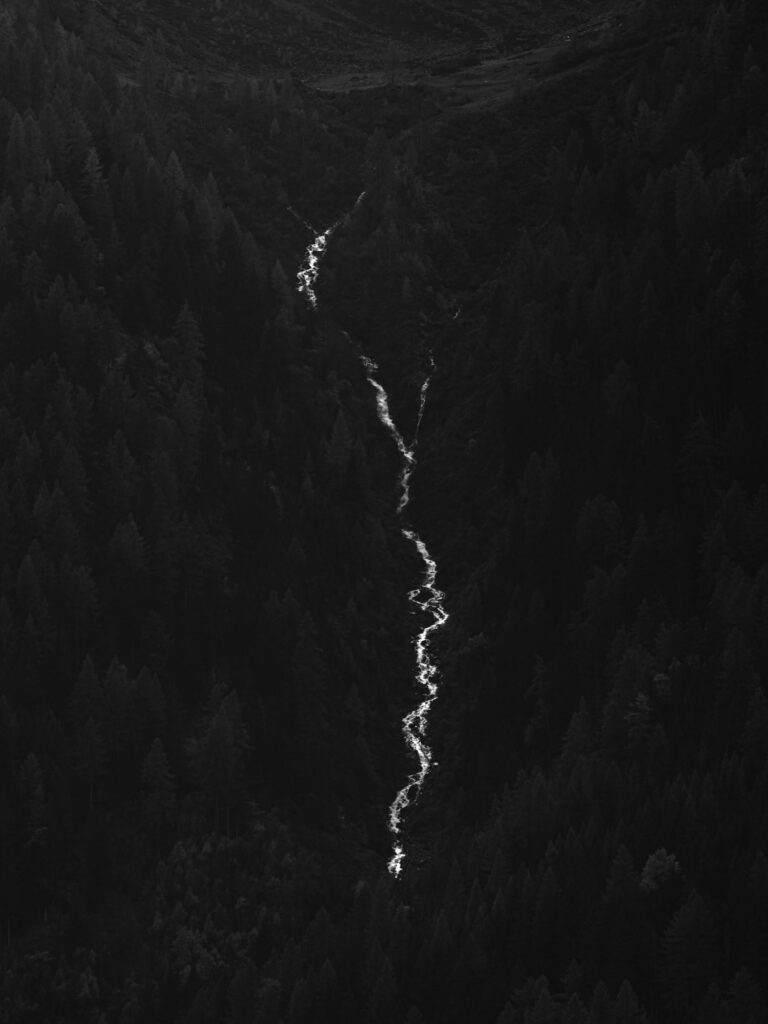
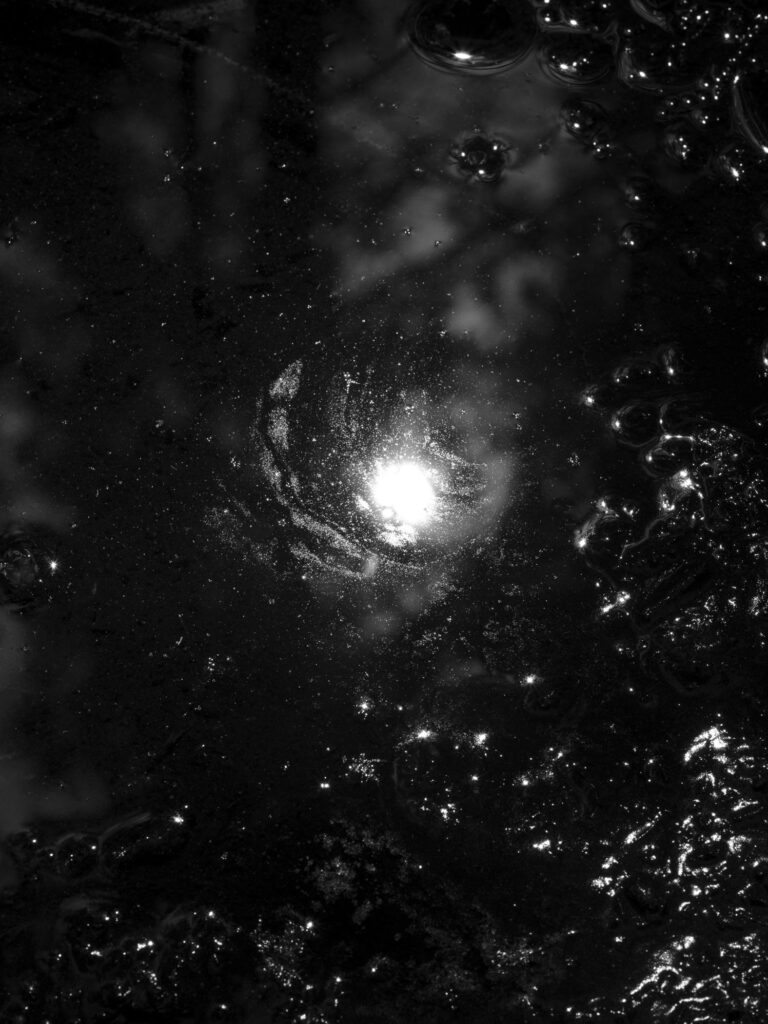
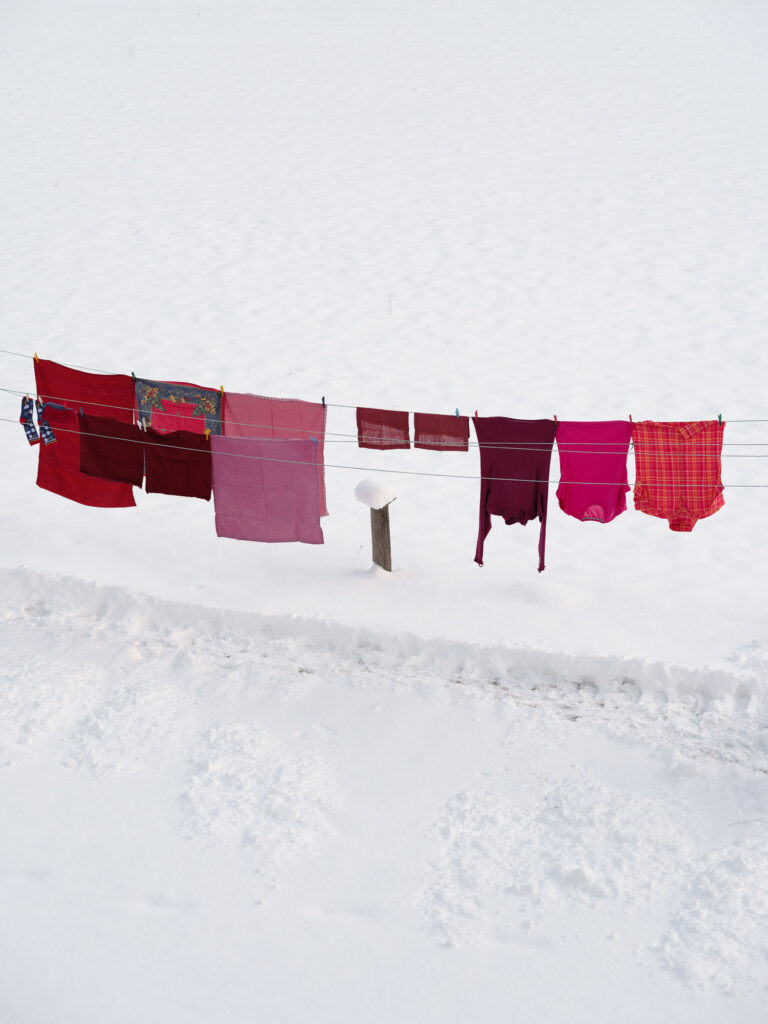
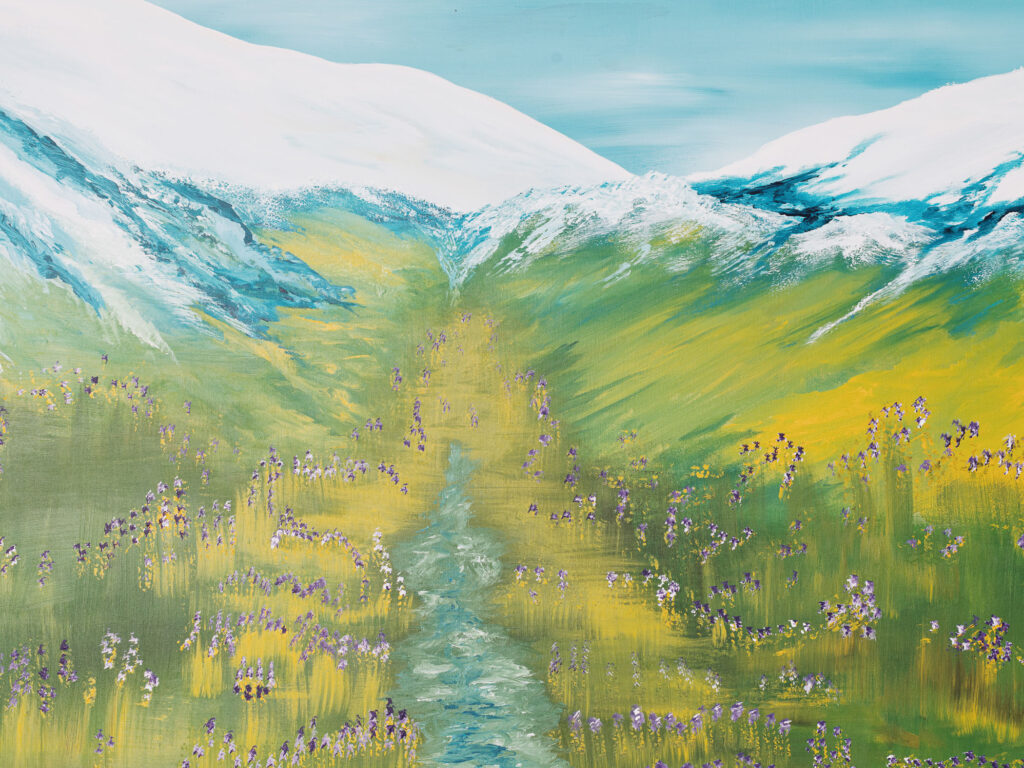
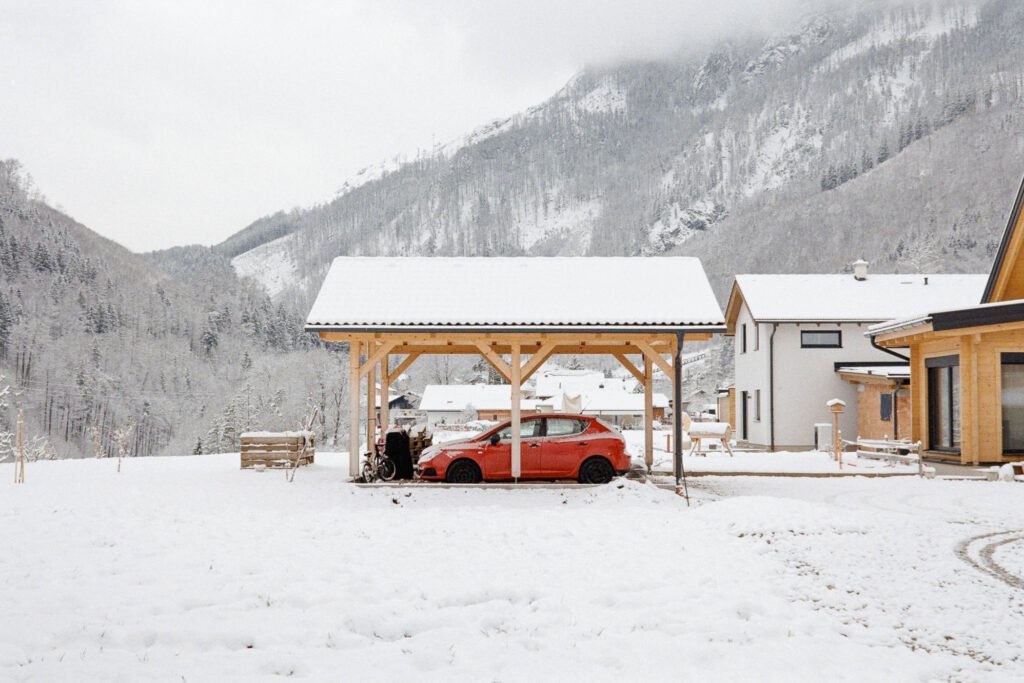
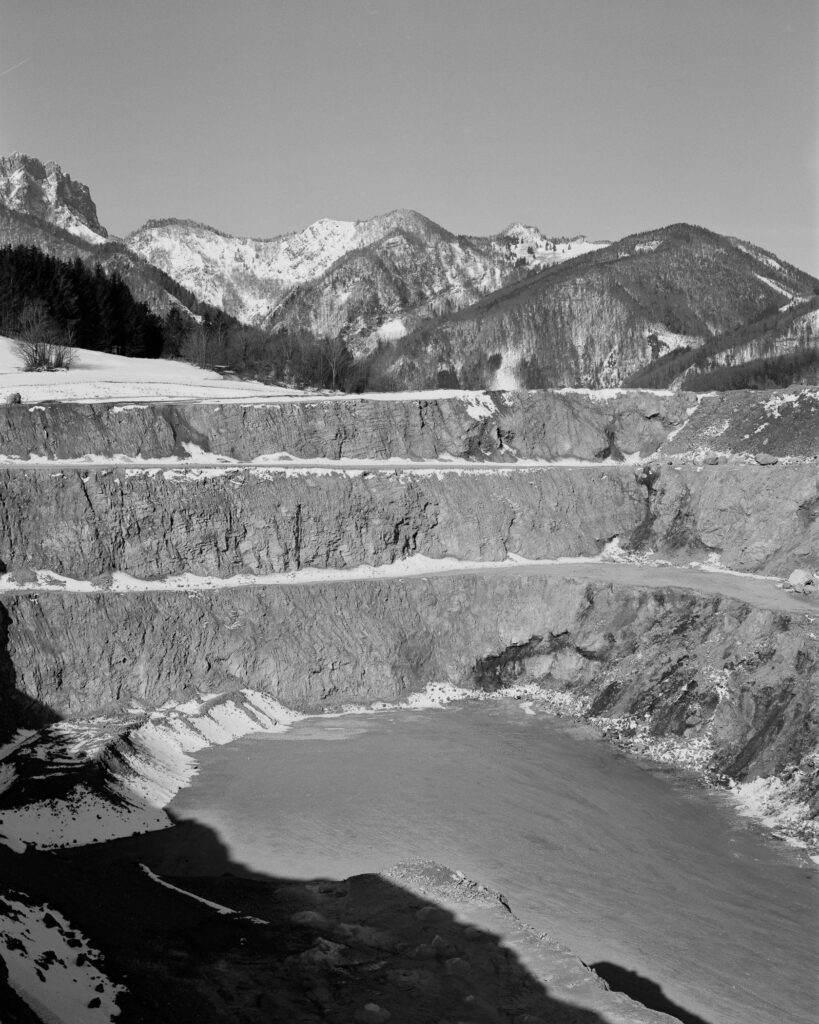
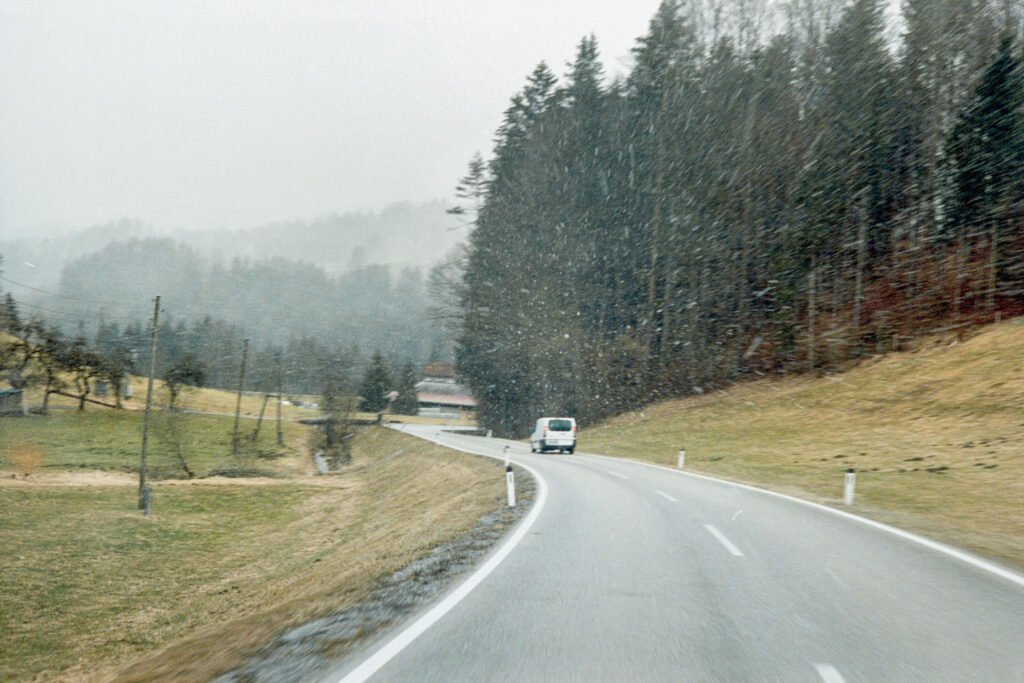
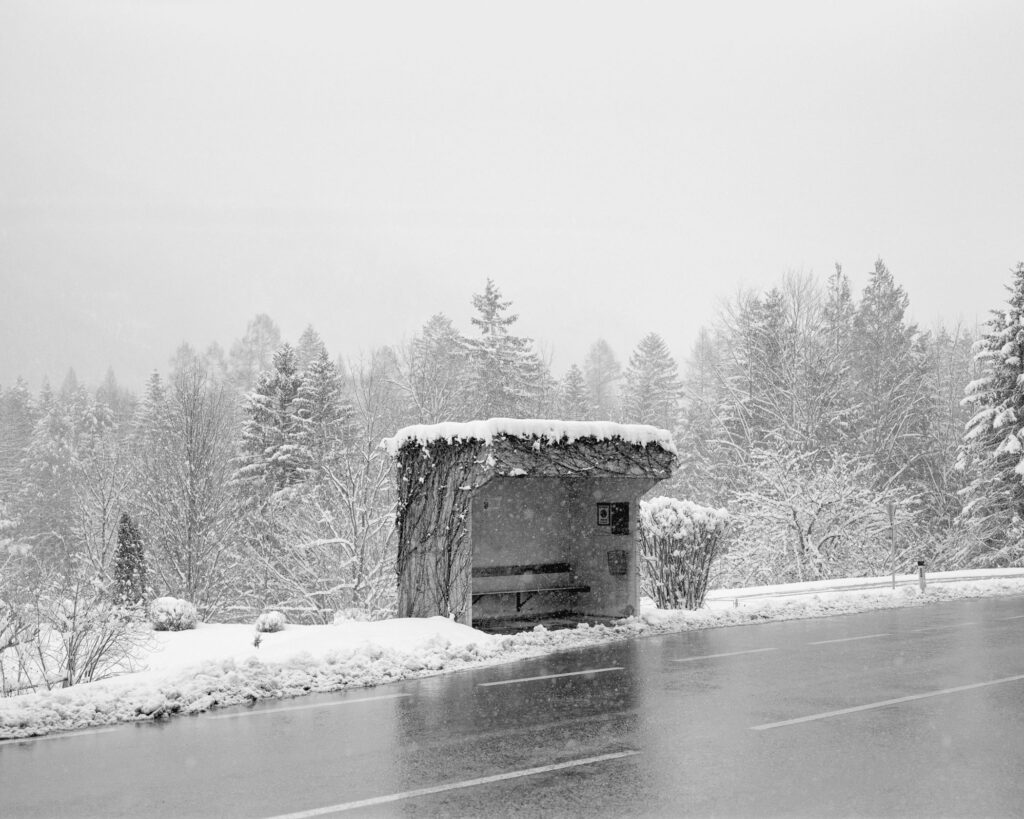
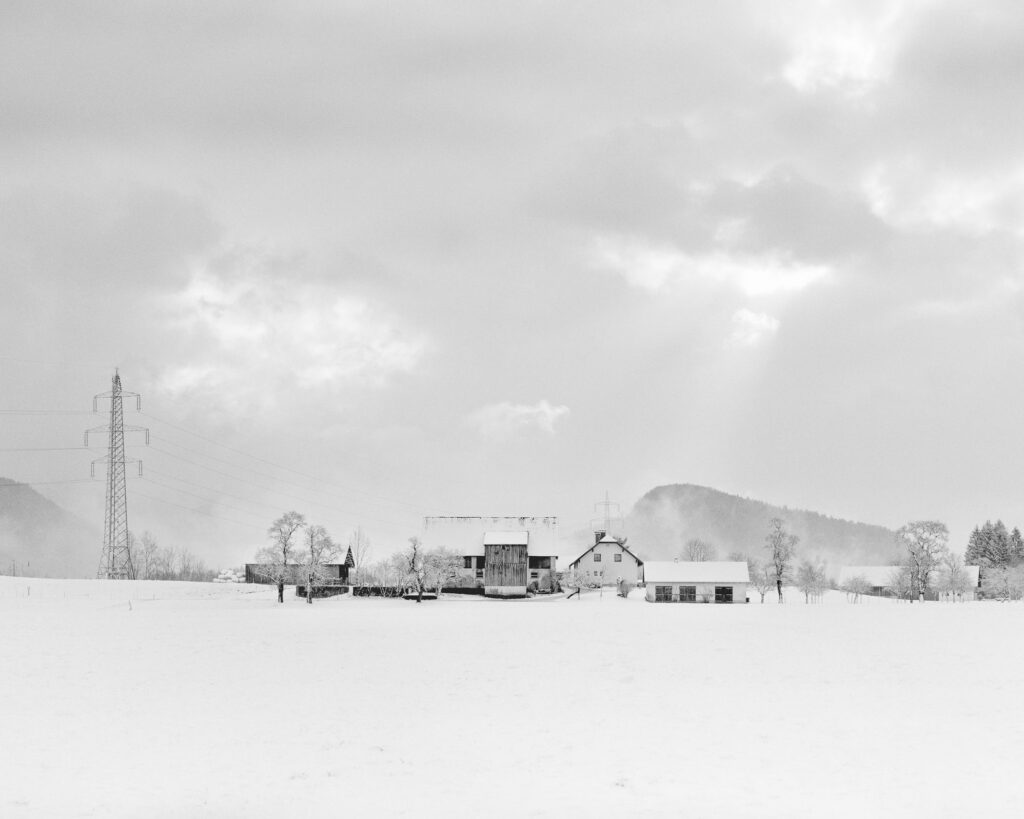
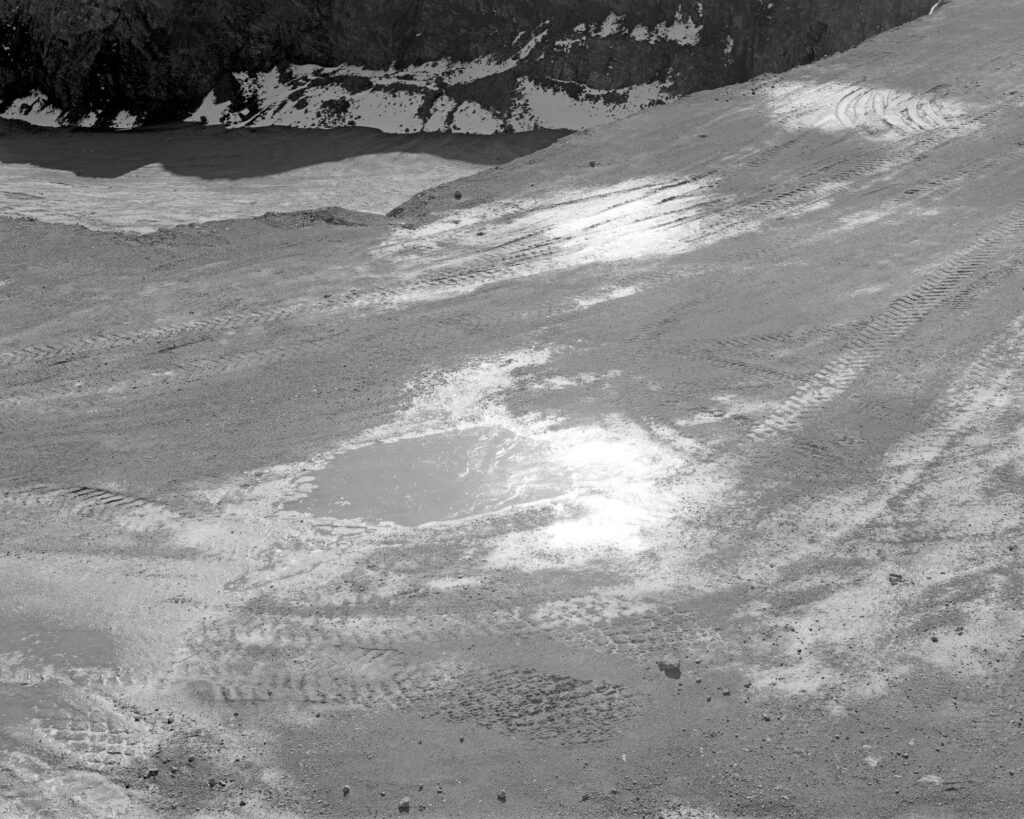
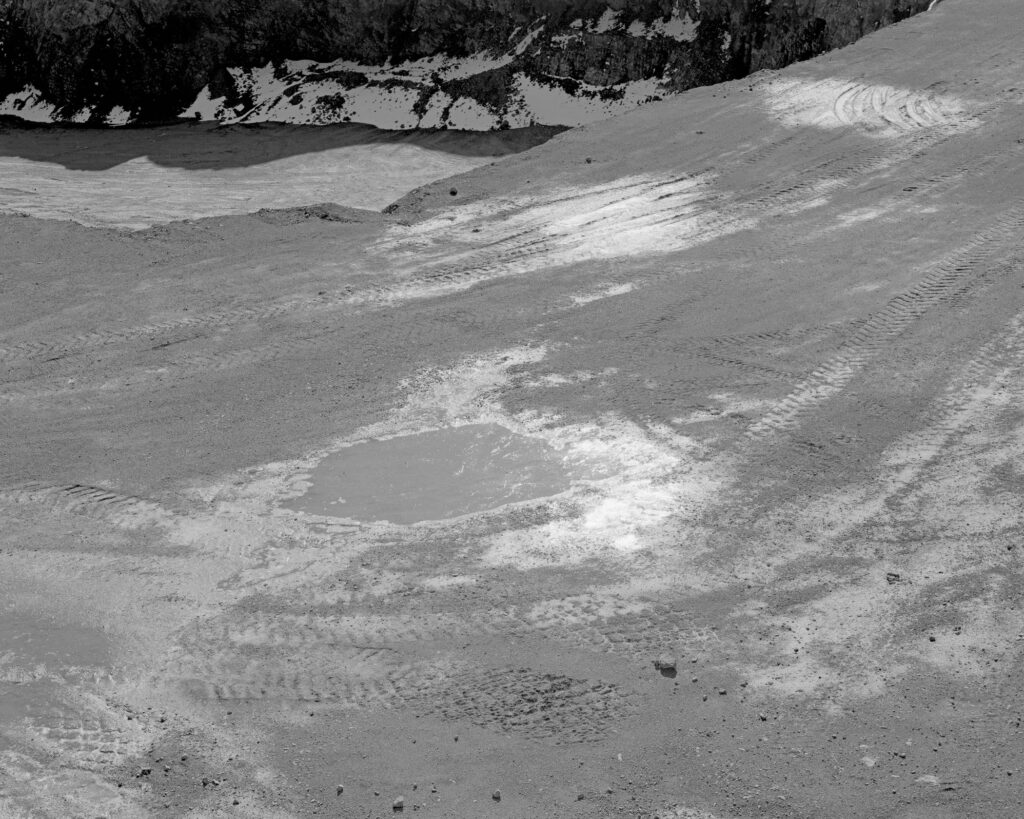
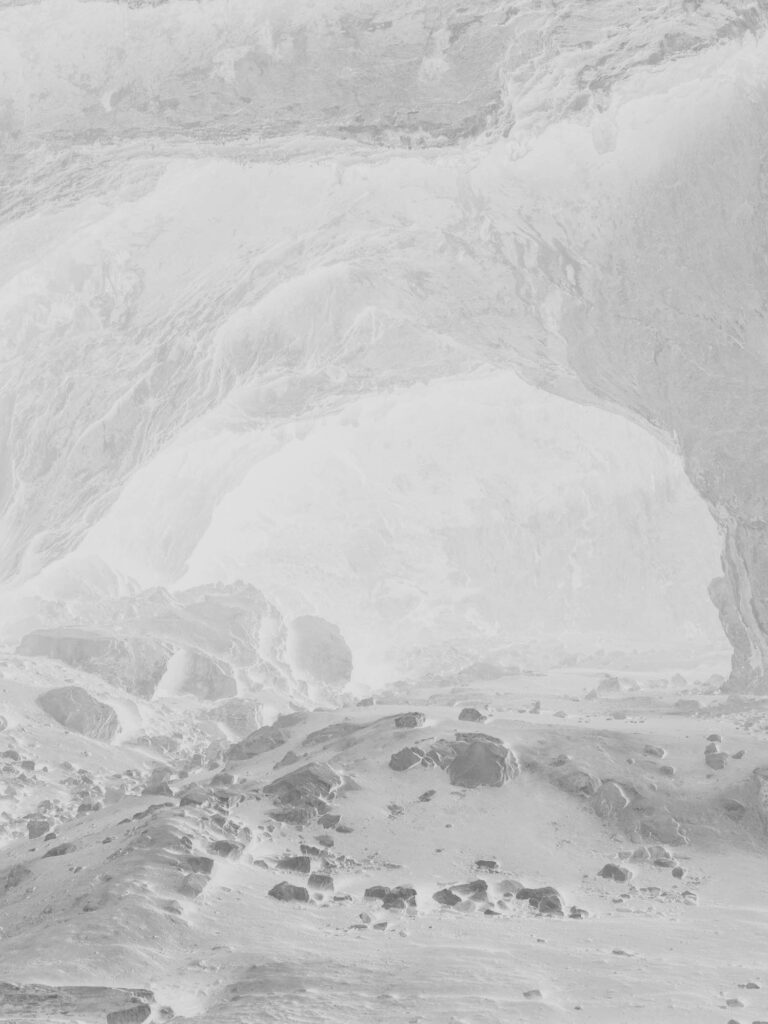
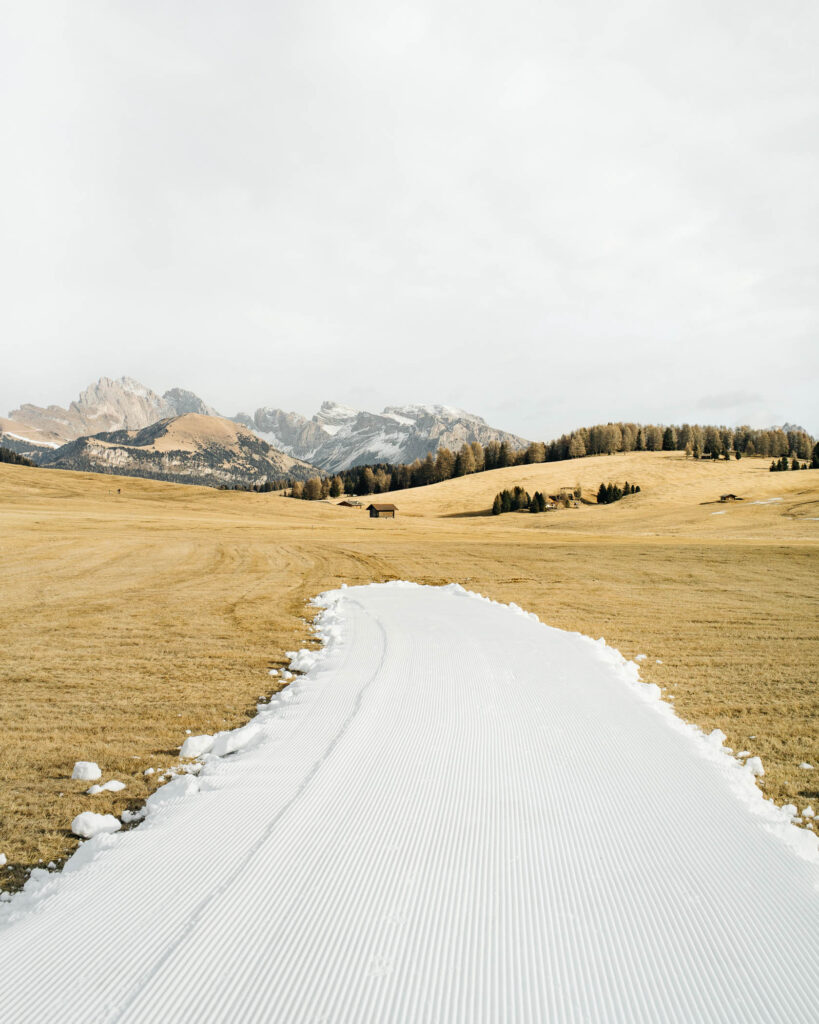
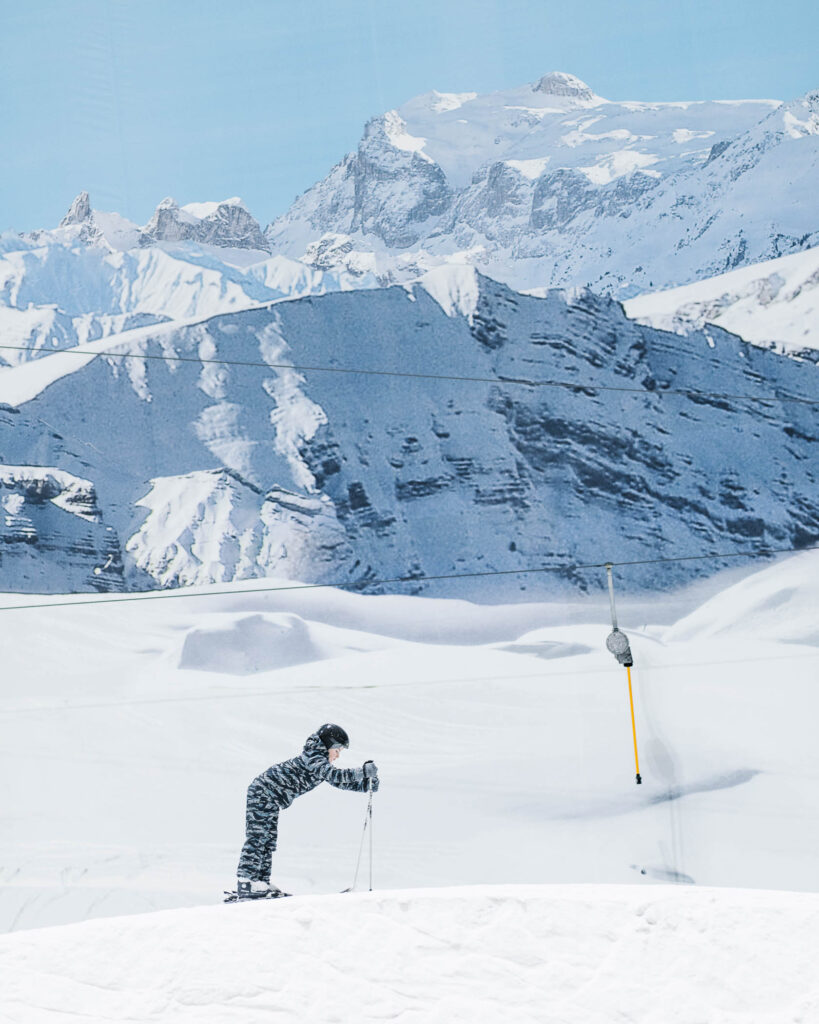
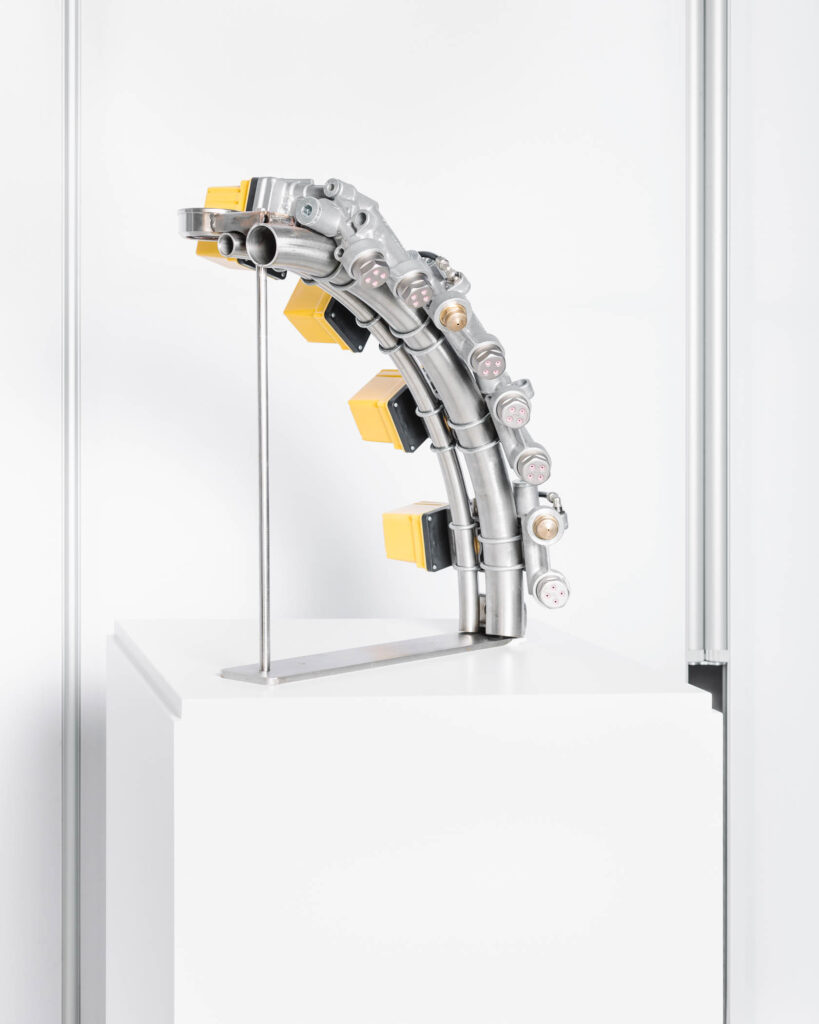
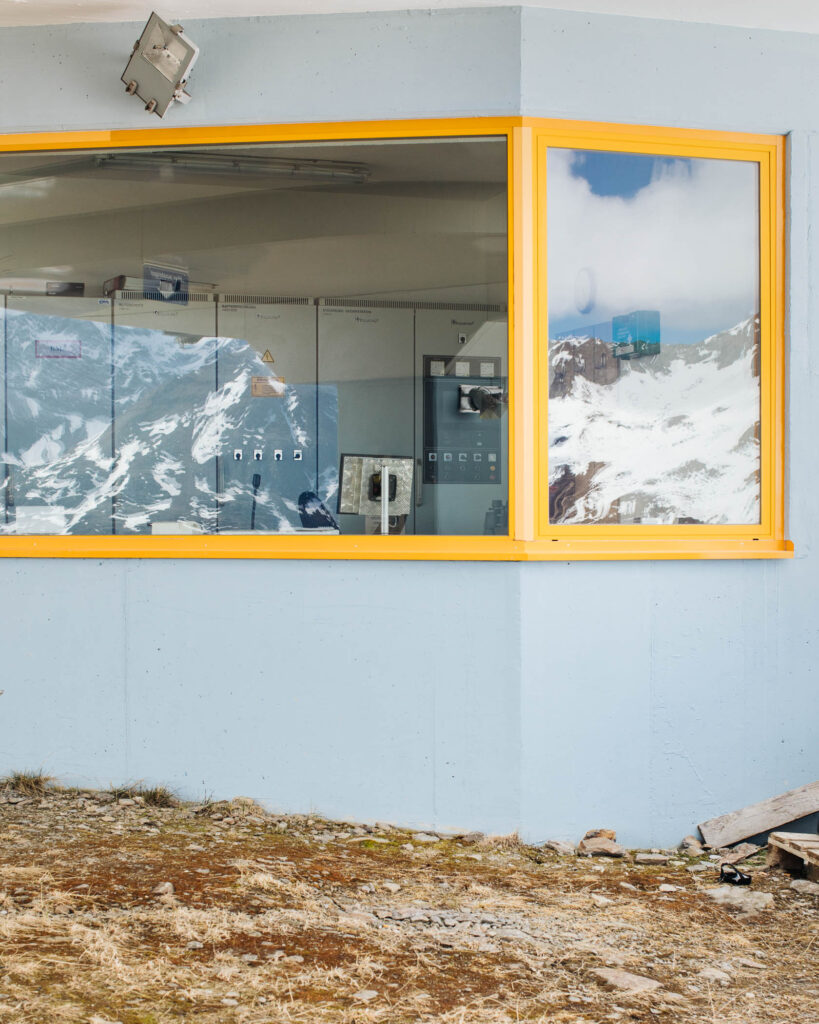
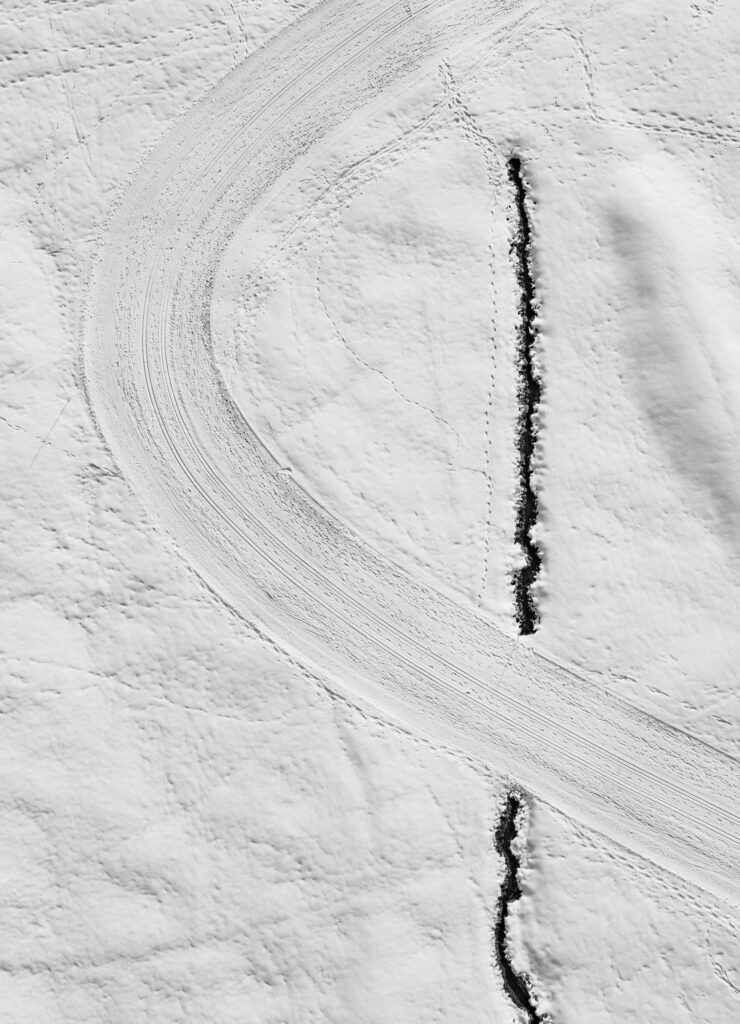
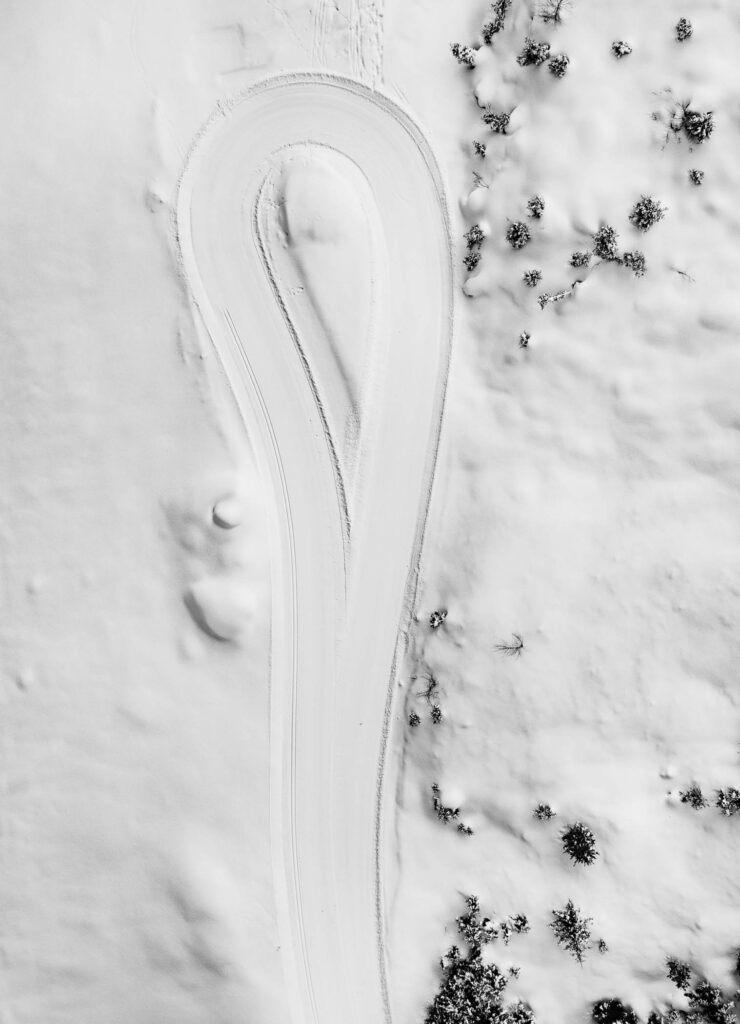
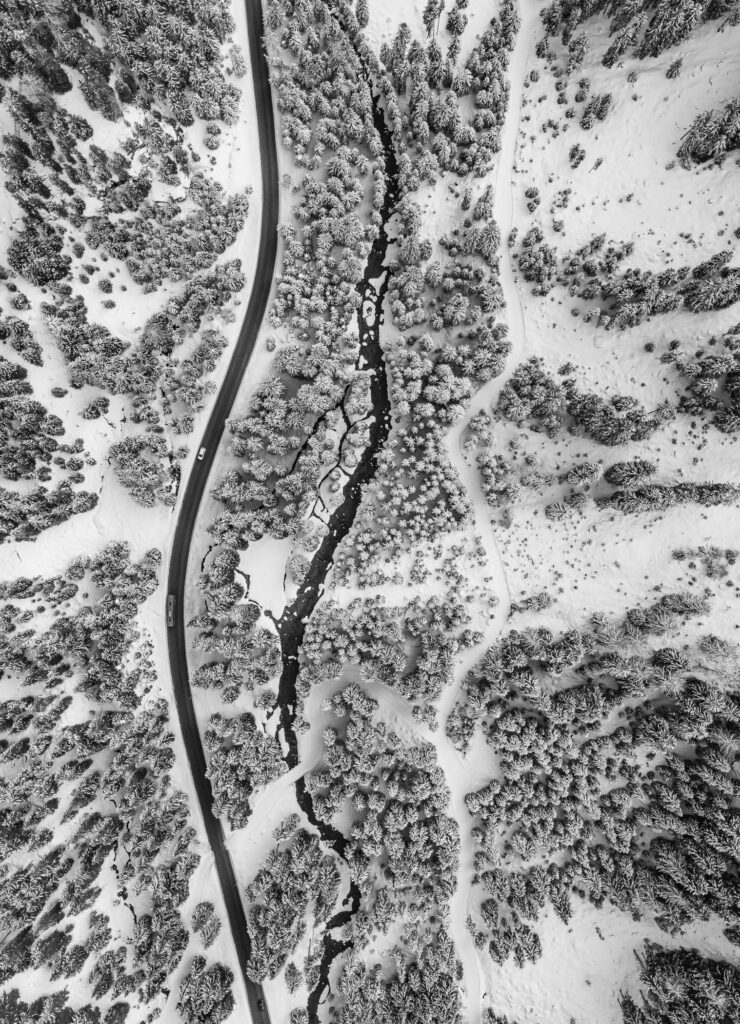
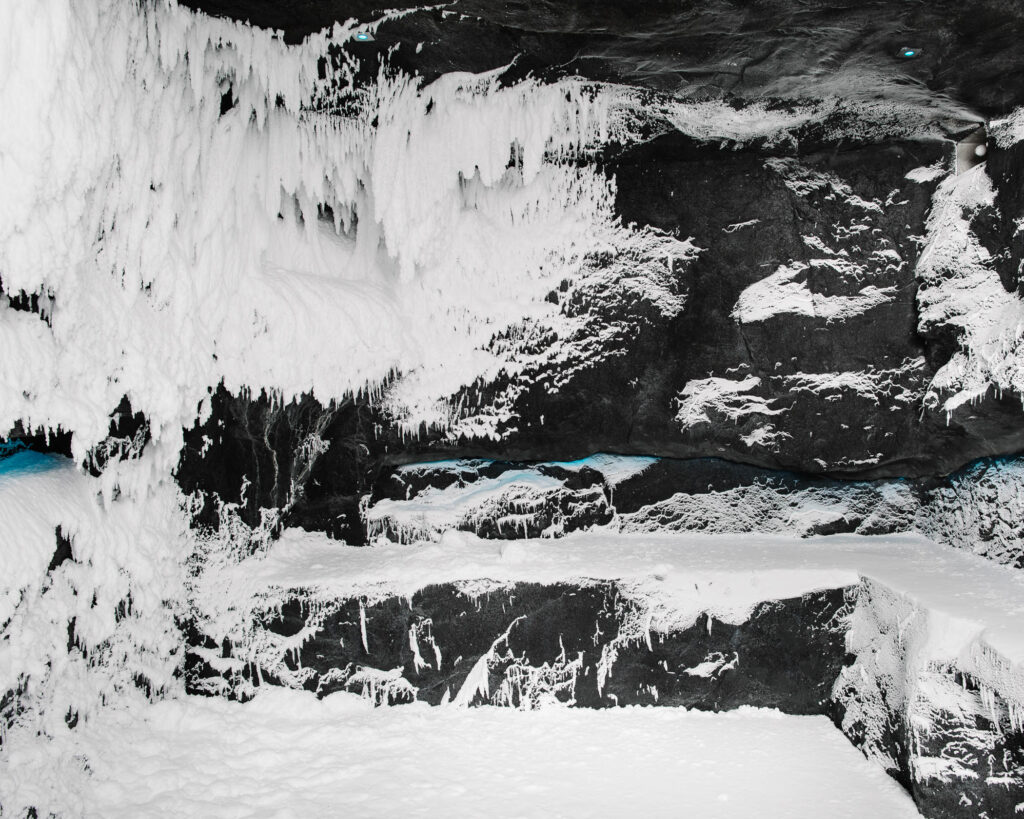
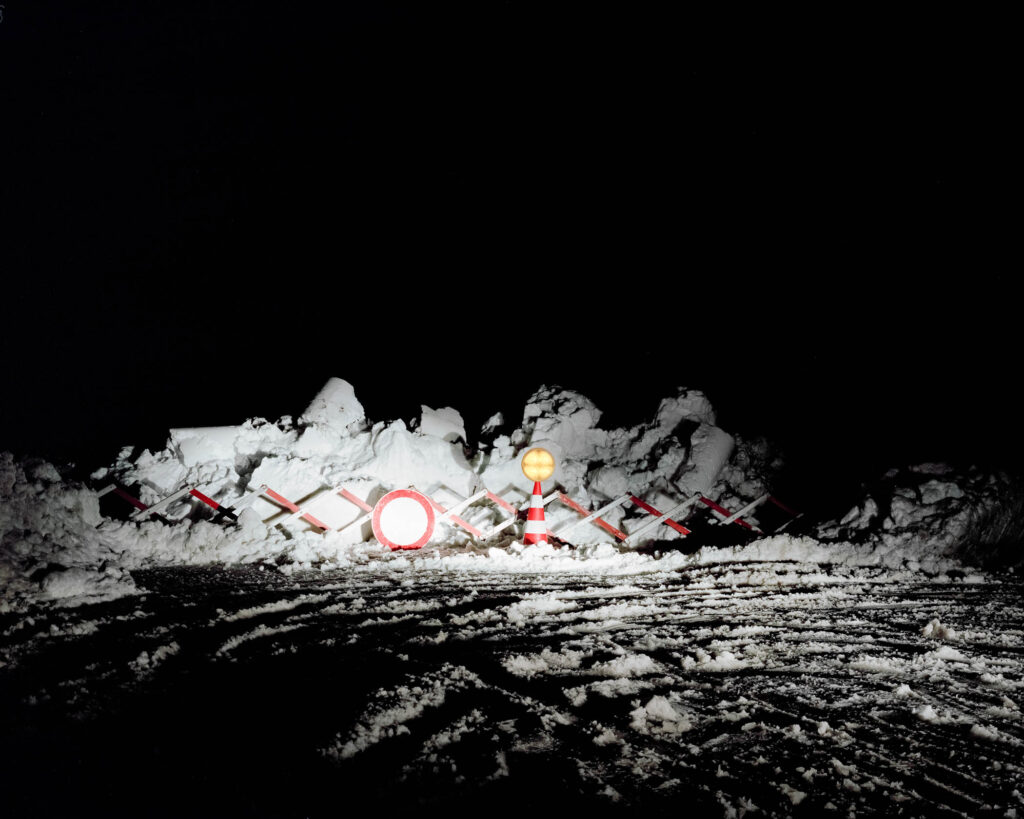
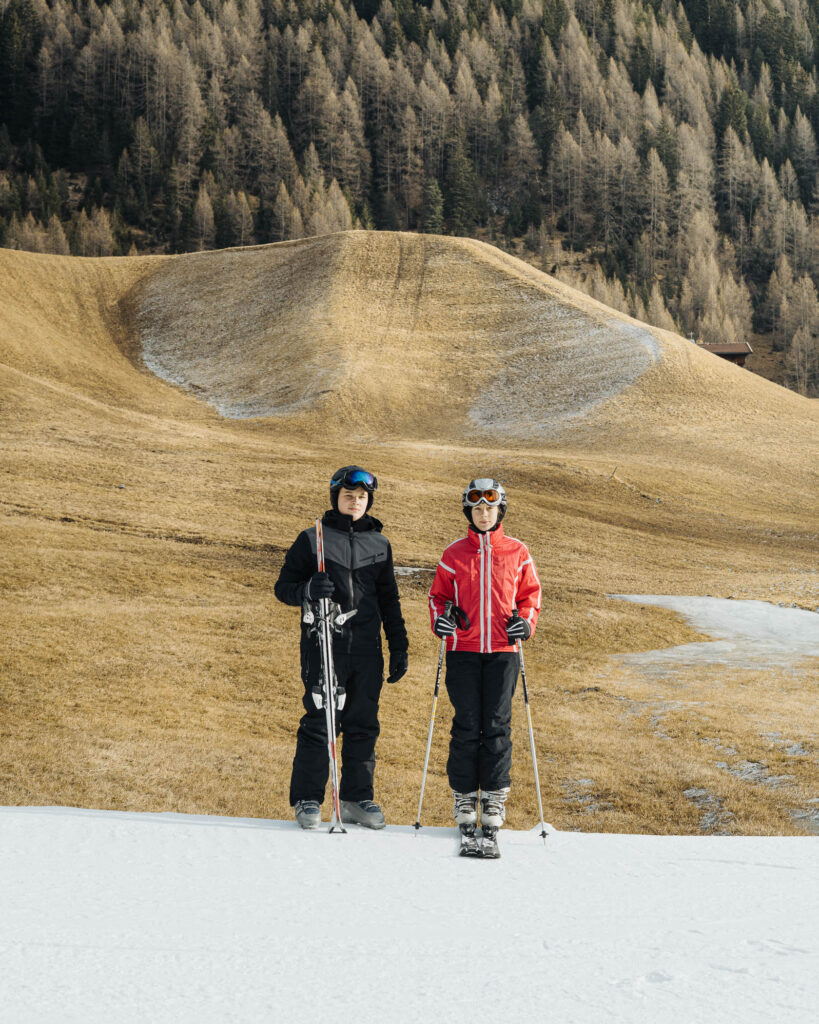
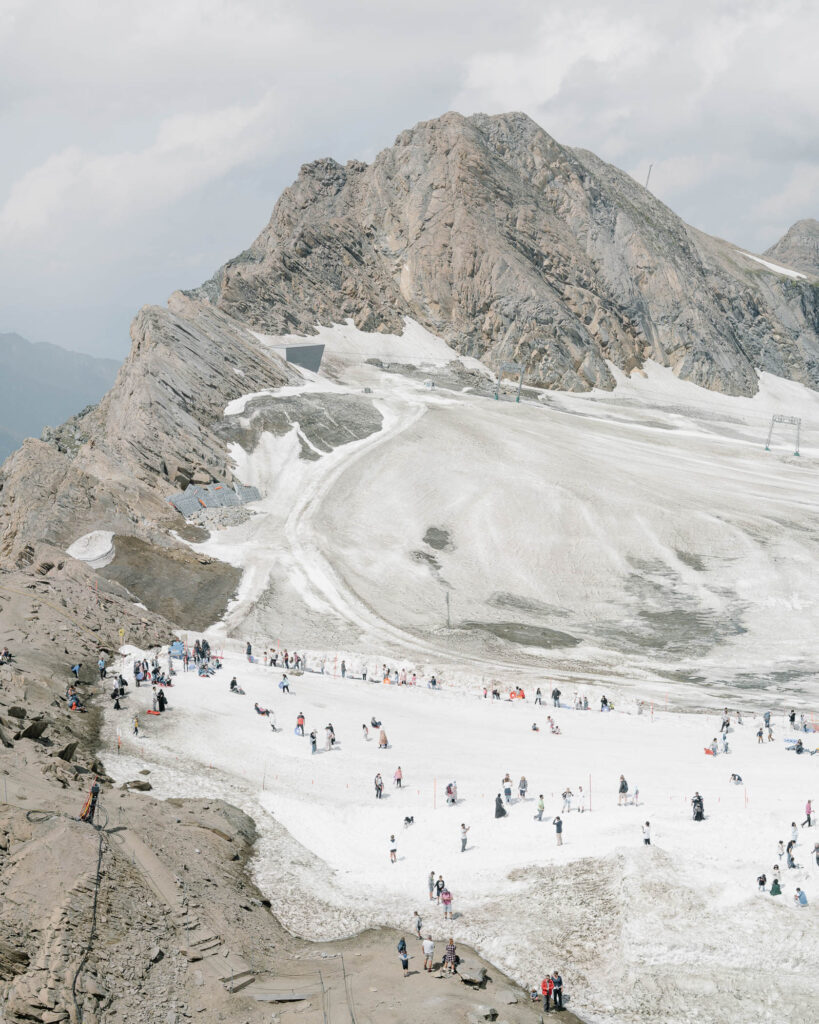
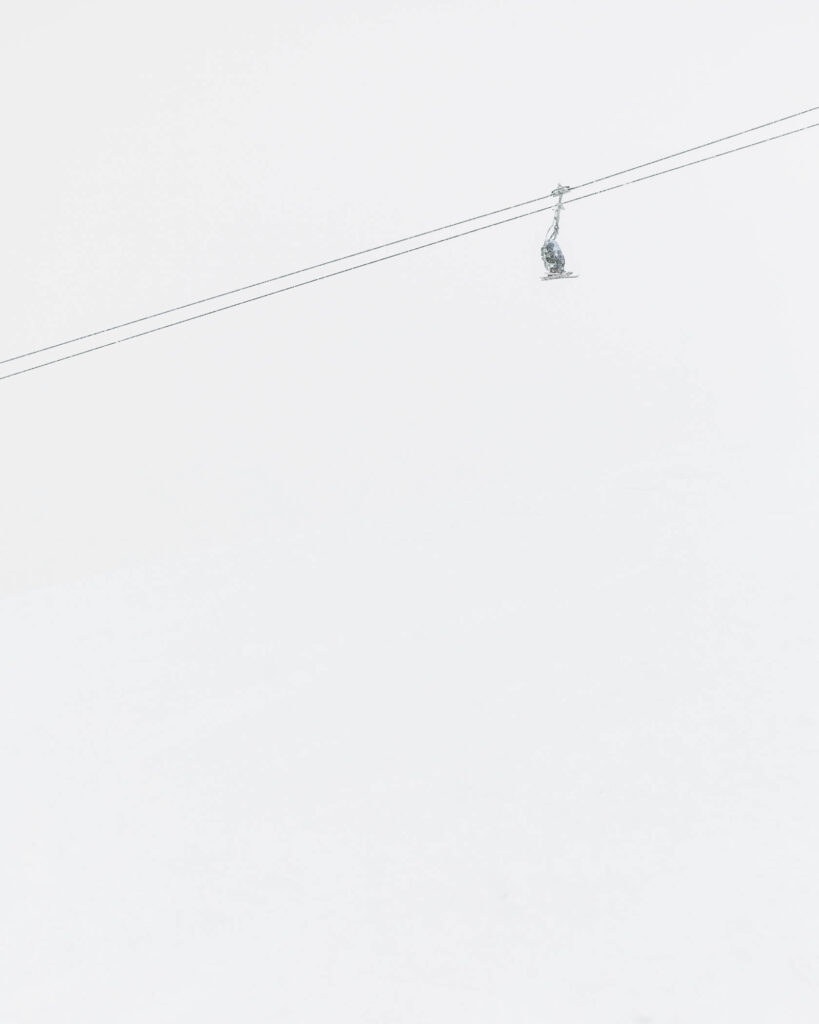
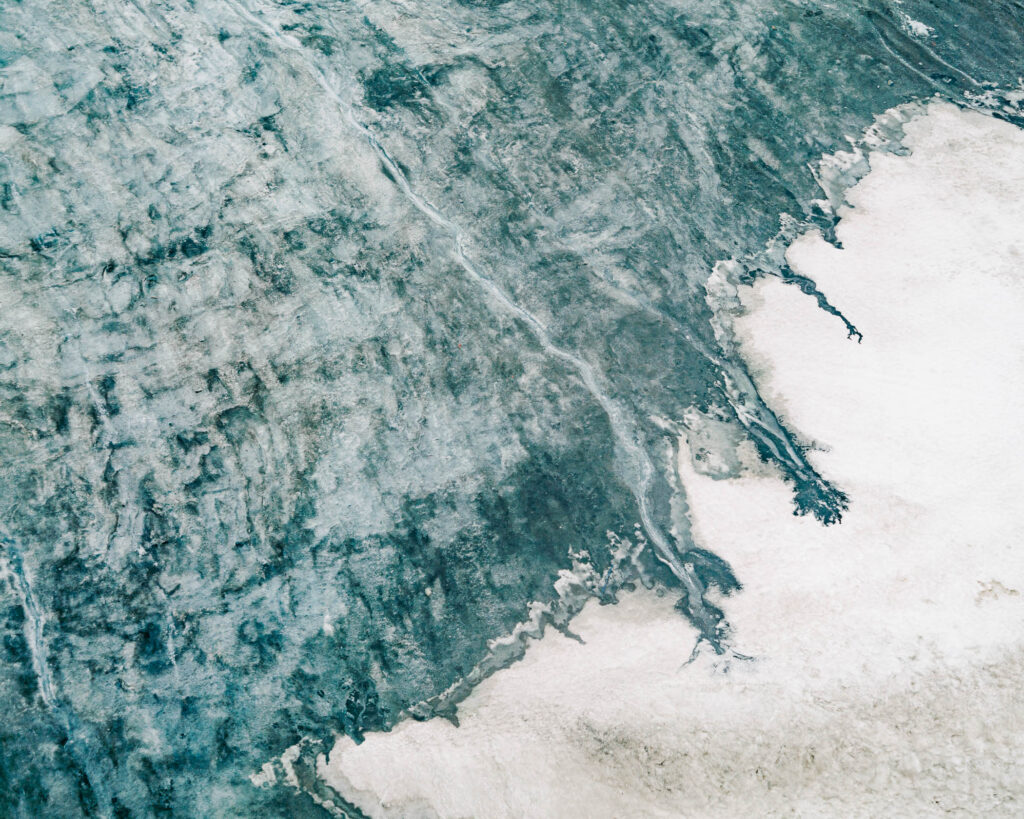
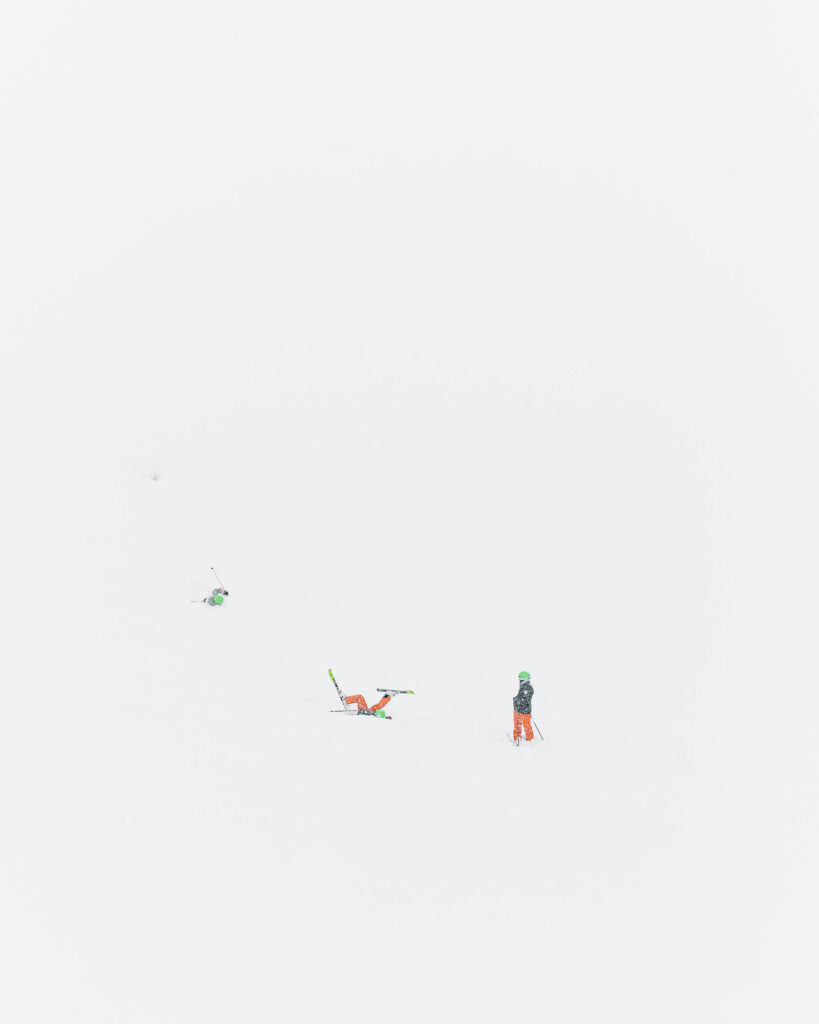
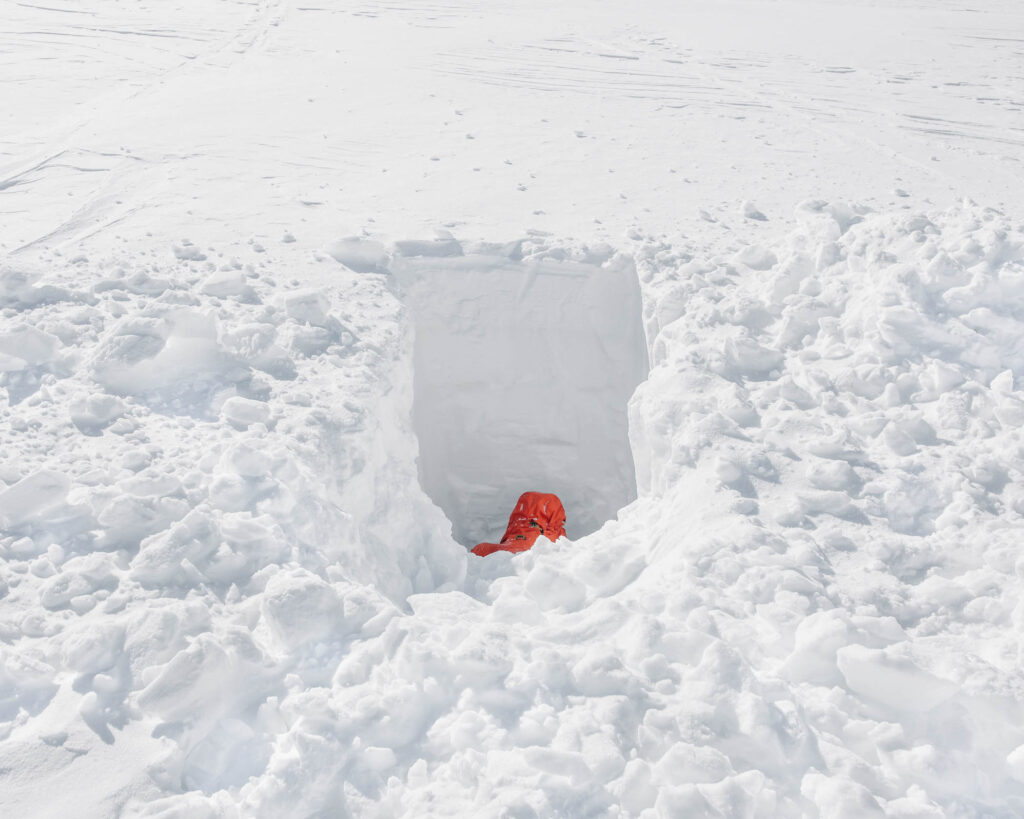
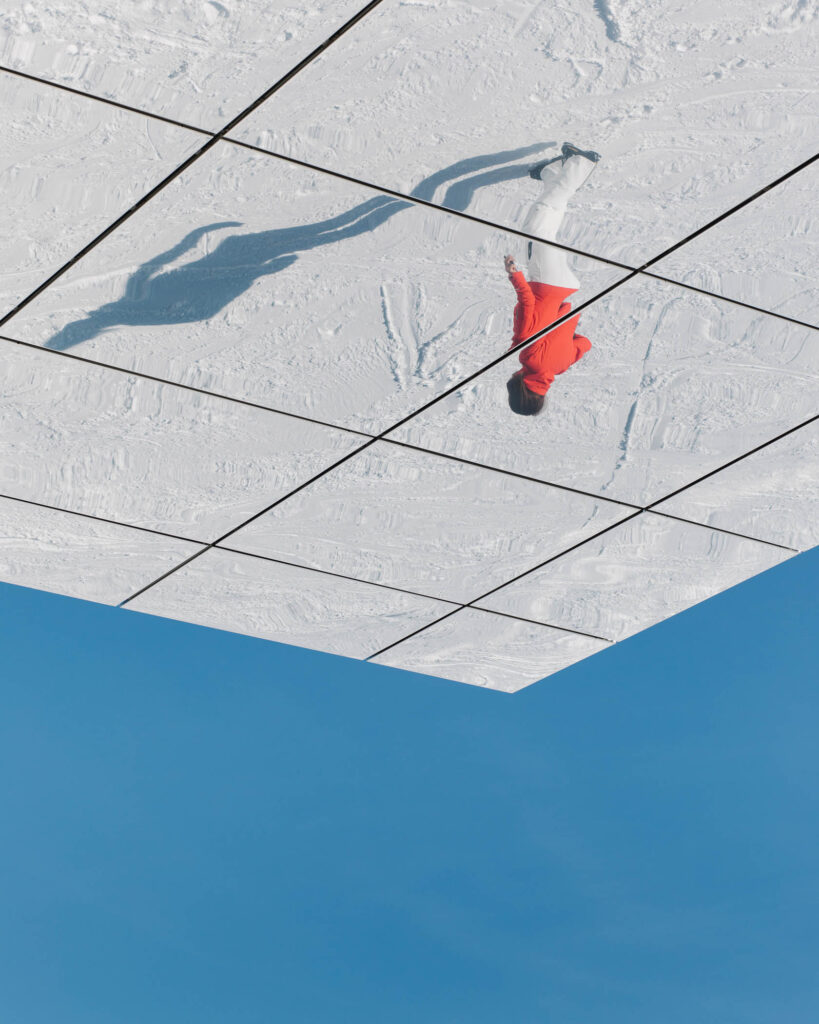
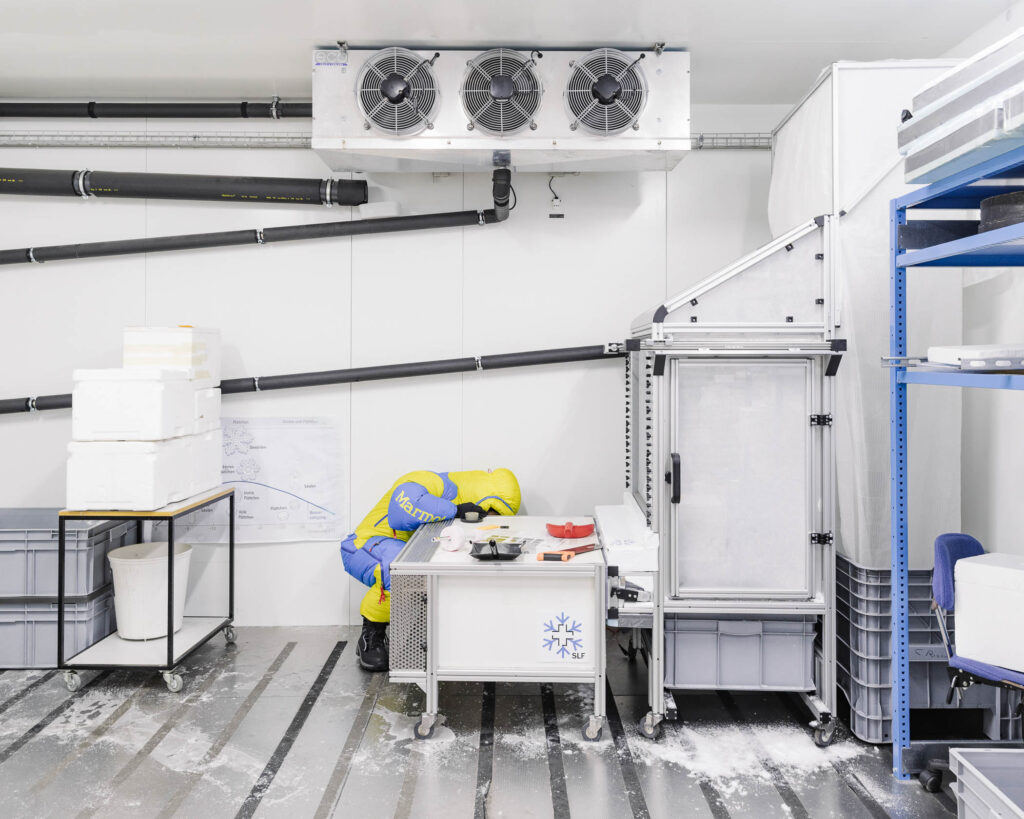
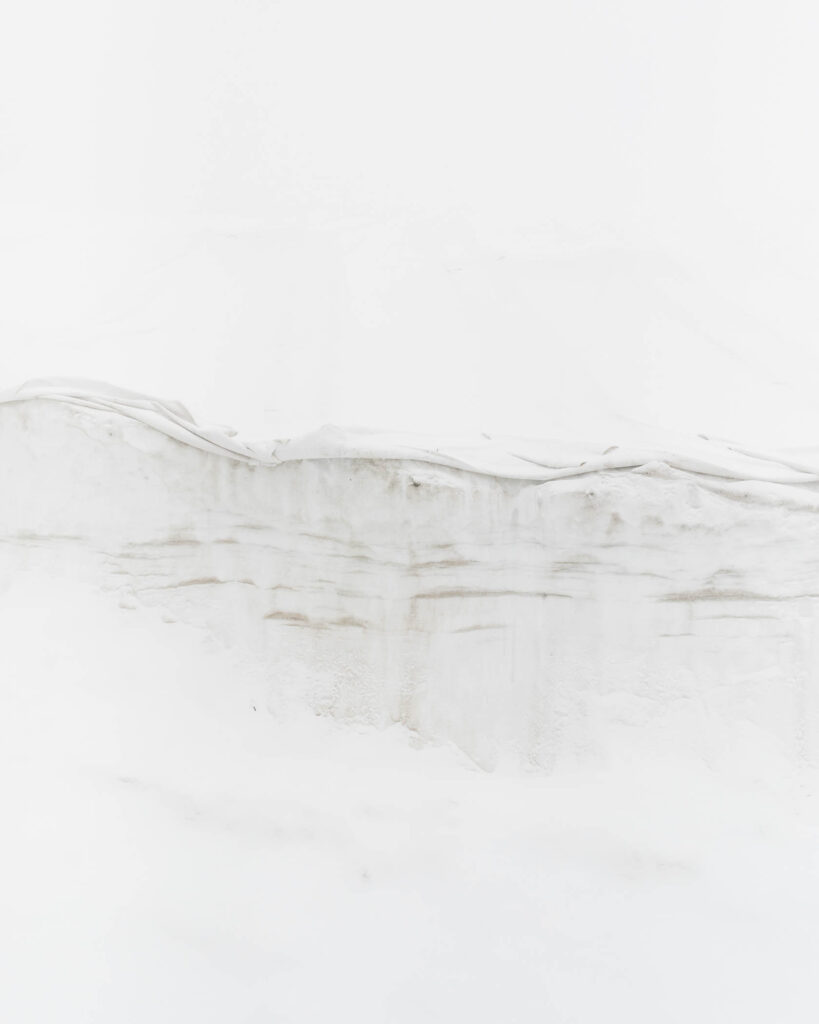
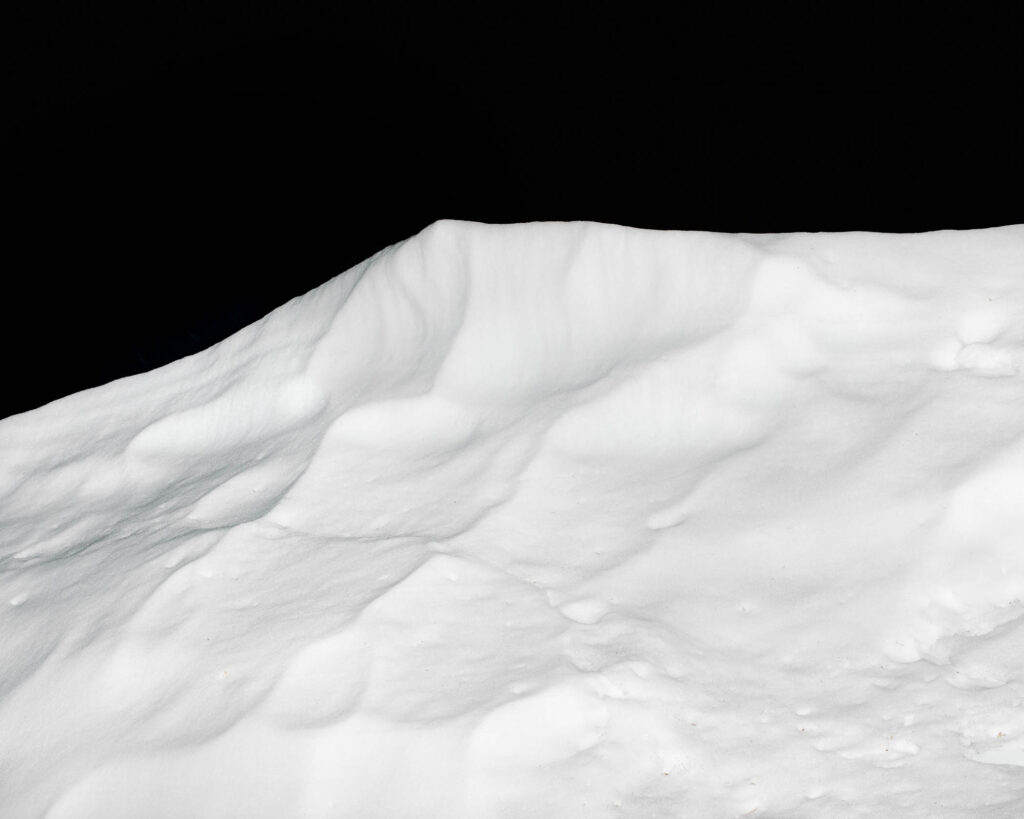
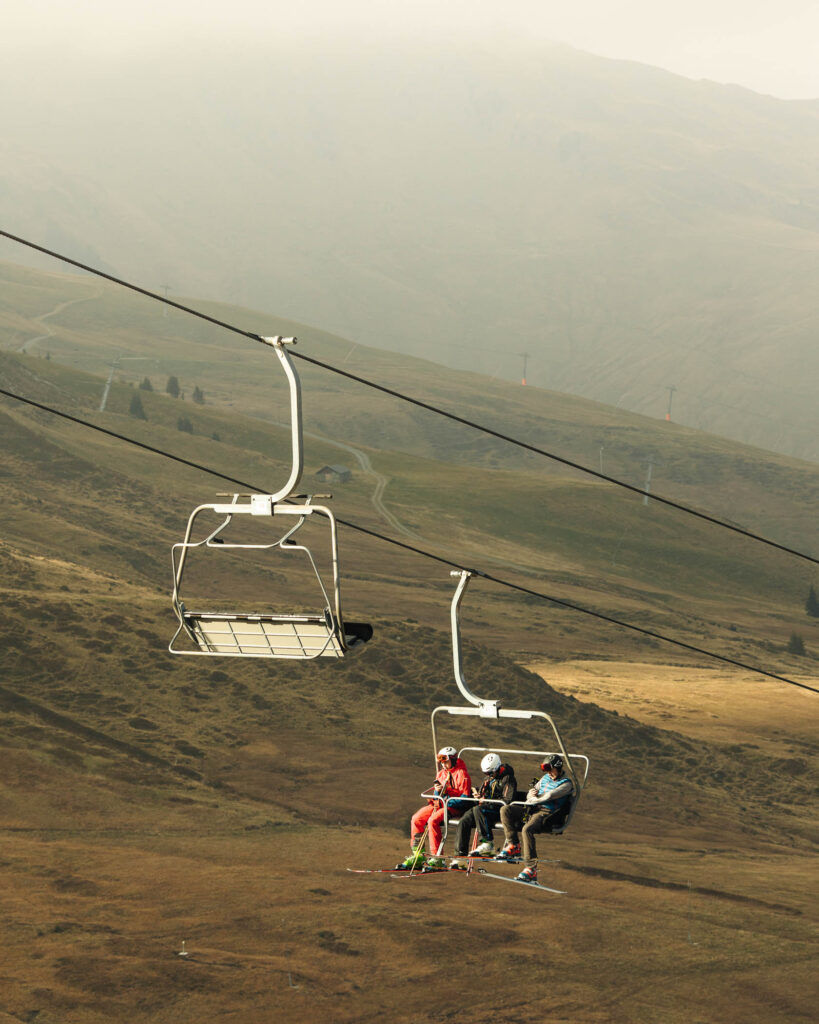
Es werde Schnee examines the transformation of Alpine regions under the increasing pressure of winter tourism and artificial snow production. Despite rising temperatures and declining precipitation in winter, the commercialization of Alpine valleys as ski destinations continues to expand. Artificial snow has become a key technology in this development, and it is anticipated that in the future ski slopes will be prepared almost exclusively with machine-made snow. The infrastructures required for this—snow cannons, reservoirs, pipelines, energy-intensive pumping systems—exert a massive impact on local ecosystems.
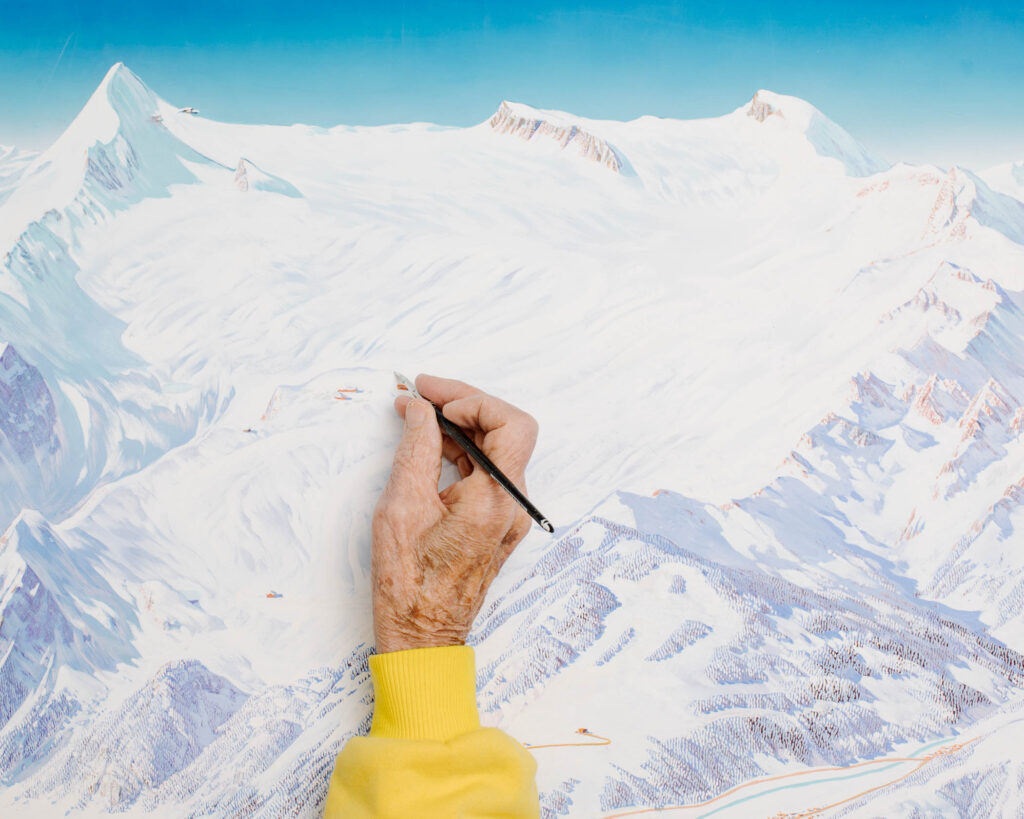
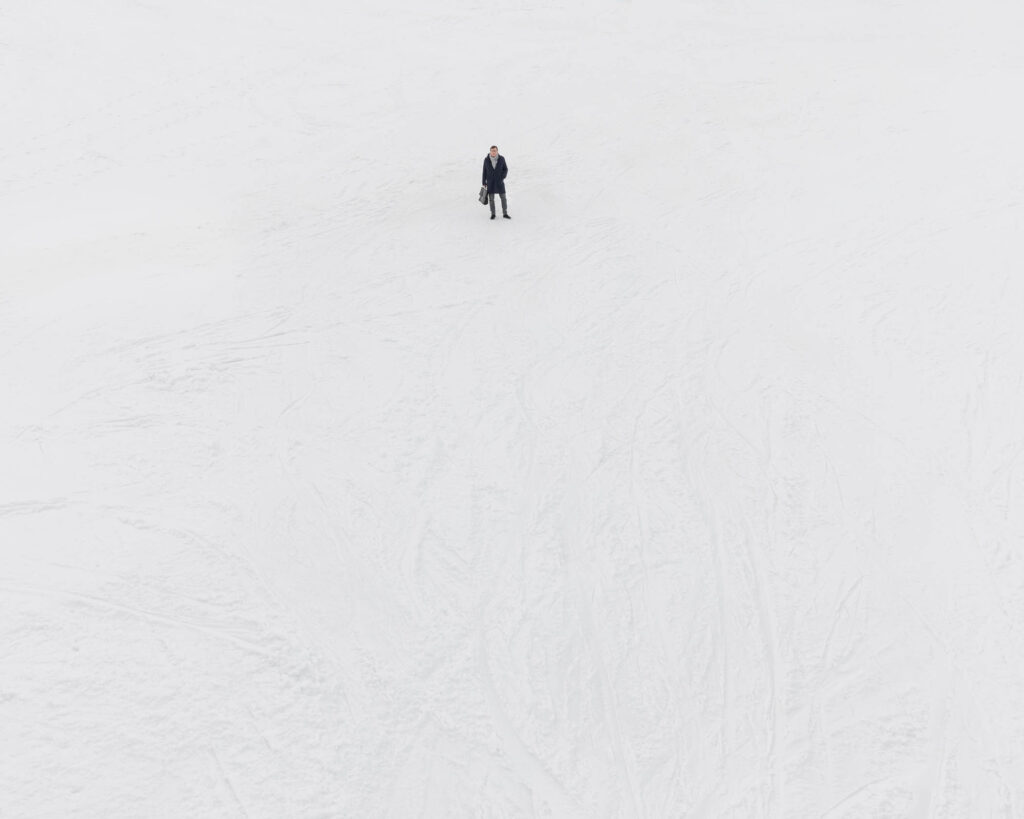
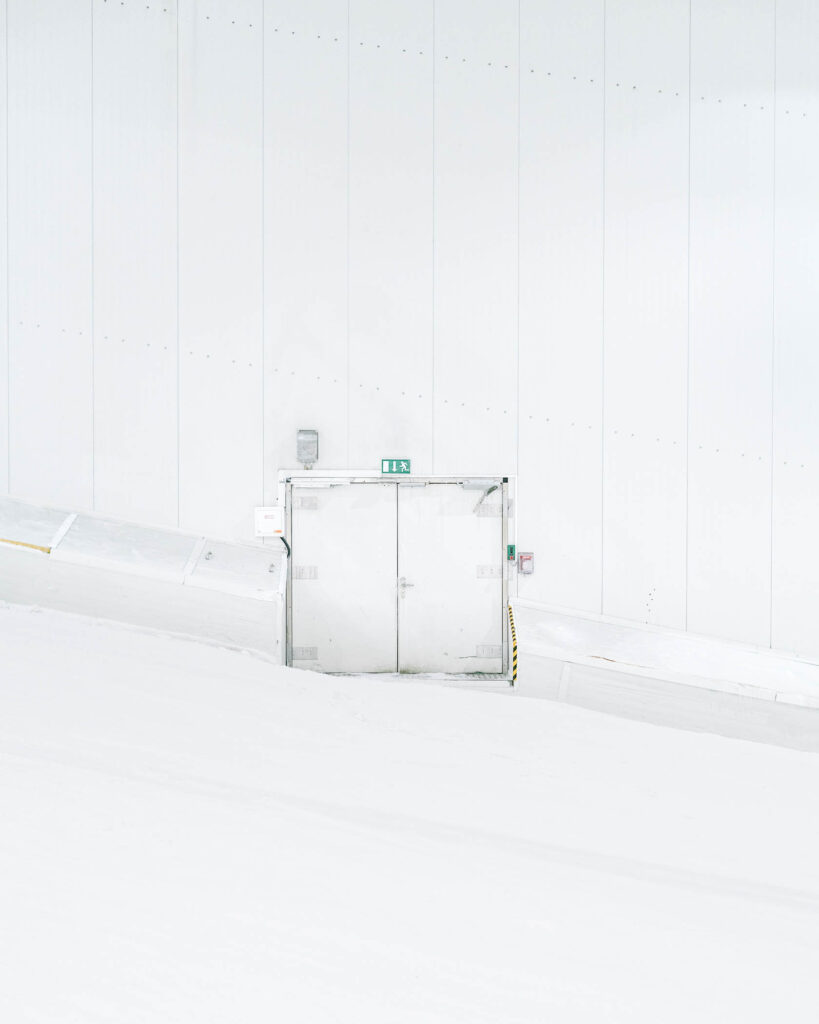
Artificial snow blurs the boundary between the natural and the constructed. Visually almost indistinguishable from natural snowfall, it generates experiences that would no longer occur under prevailing climatic conditions. The limits of what is possible are extended: Alpine landscapes are irreversibly reshaped, and artificial snow worlds emerge. The significance of this process extends far beyond its economic dimension; it touches on our cultural imaginaries of winter, leisure, and nature itself.
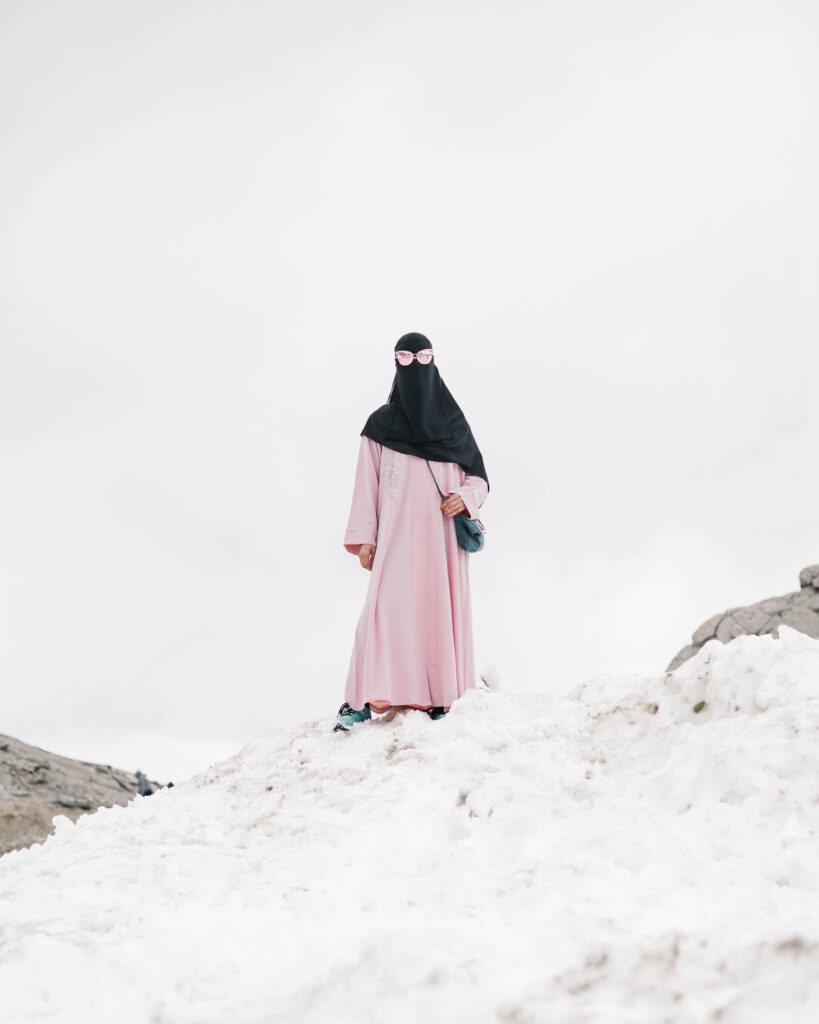
Combining photographs by Elias Holzknecht with texts by Ursula Scheiber, Es werde Schnee encourages viewers to reflect on entrenched stereotypes, collective images, and our understanding of “nature” in the Anthropocene. The work unfolds as a contentious search for traces across Alpine regions in Austria, Italy, and Switzerland, as well as in Germany—following snow, its disappearance, and its artificially prolonged presence in the present and possible futures.
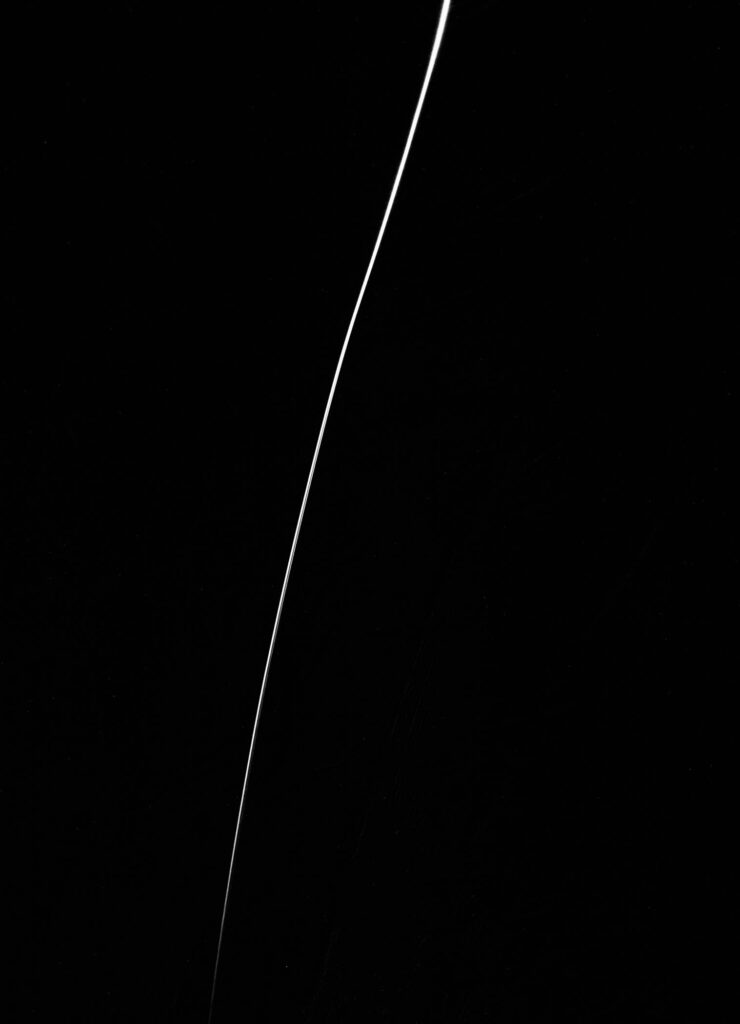
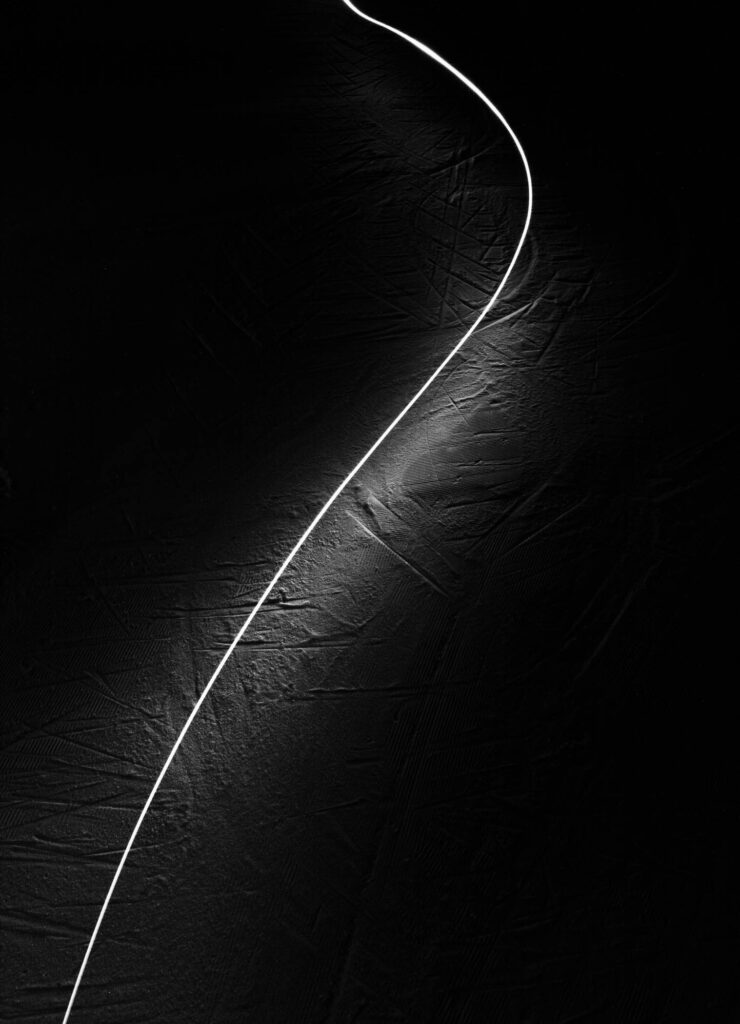
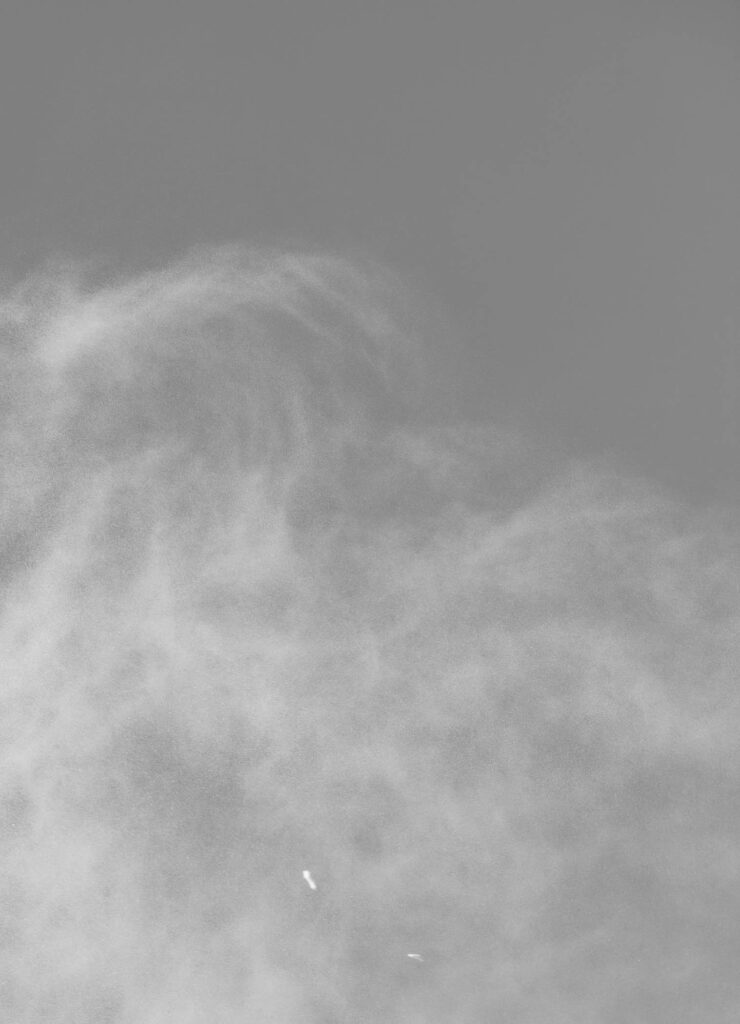
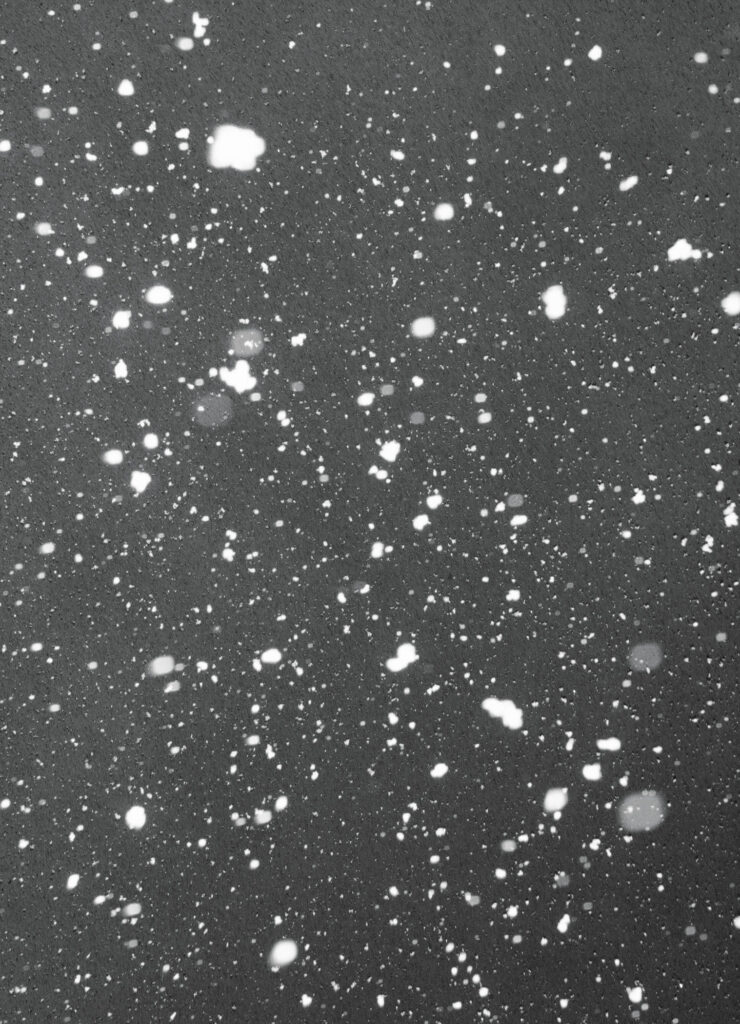
The current iteration of the project comprises 27 color photographs, three black-and-white series, and four white text panels.
EXHIBITIONS
2019 – Chobi Mela Festival, screening, Dhaka, BD
2021 – Galerie für Fotografie, group show, Hannover, DE
2021 – Sparkassenstiftung Lüneburg, solo show, Lüneburg, DE
2022 – 12. Wiesbadener Fototage, group show, Wiesbaden, DE
AWARDS
2020 – VGH Fotopreis, winner
2021 – PUNKT Journalist Award, German Academy of Science and Engineering
2022 – True Picture Award, nomination
Images from the project have been published in Die Zeit, Zeit Campus, Falter, Datum, and Frankfurter Allgemeine Zeitung (FAZ).
InfoX
NS ÖTZTAL
History is never far away. It lay in archives, cellars, stories, place names, family histories, museum storage rooms, and in the landscape through which I had walked myself.
This work was created as a commission for the Ötztaler Museen and deals with local traces of National Socialism in the Ötztal. I was interested in how such a past becomes visible in a specific valley. What remains? What is told? What is preserved? What disappears in the gaps between documents?
The work combines archival material, photographs, and reenactments. These reenactments are deliberately fragile. They mark gaps rather than closing them. Bodies appear in places where images are missing. The present overlays the past without replacing it. Reconstruction remains visible as an attempt.
I often thought of Walter Benjamin’s image of excavation. To remember means to remove layers, to hold fragments the wrong way round, to leave soil on them, to consider one’s own position in the terrain.
NS ÖTZTAL is therefore also a work about proximity. The past appears as something that continues to act within one’s place of origin, within one’s own gaze, and within the forms through which one tries to understand.
InfoX
BEZIRK 05
This work was created as a commission for steirischer herbst 25 / Never Again Peace, under Ekaterina Degot and in close collaboration with Pieternel Vermoortel and Beatrice Forchini.
The work begins in the immediate surroundings of the festival: in a district one walks through, shops in, waits in, lives in, passes through, and often overlooks.
The project approaches the neighborhood through its spaces and inhabitants. Streets, entrances, shops, courtyards, associations, faces, small forms of organization. A social space that is produced every day, and at the same time shaped by unequal access to political recognition.
I was interested in what democracy looks like on the scale of a district. Who is allowed to participate? Who is visible? Who works, lives, pays, cares, organizes, and yet remains only partially addressed politically? Questions of voting rights, belonging, and representation appear here through everyday situations rather than through abstract political language.
The photographs remain cautious. They move along the surface of a neighborhood in which coexistence becomes visible: organized, accidental, precarious, friendly, tired, contradictory. BEZIRK-05 looks at the small cracks of a city that wants to be democratic while distributing voice, attention, and recognition unevenly.
InfoX
MICHELDORF MICHELDORF MICHELDORF MICHELDORF
While seeking to explore the country in which he grew up, a chance journey led Elias Holzknecht to Micheldorf in Upper Austria. There, he discovered beauty in the everyday: a small community of nearly 6,000 inhabitants who sleep, eat, walk, and work—people for whom Micheldorf is the center of their lives.
As he immersed himself in village life, Holzknecht became increasingly aware that no single mode of representation can fully capture the complexity of a social space. Micheldorf resisted being condensed into a singular narrative—its very name pointed to multiplicity, given that three other villages in Austria share the same name. The story therefore unfolds not in one location, but across all four Micheldorfs.
The resulting photographic work critically examines how visual narratives construct a sense of place and identity. Micheldorf Micheldorf Micheldorf Micheldorf appears at first glance to follow a linear storyline, a typological study of an Austrian village—an impression reinforced by the minimalistic design. Yet multiple versions of the book exist, a conceptual element already hinted at in the title.
Each edition contains the same images and text fragments, but arranged in a different order. This shifting structure highlights the underlying complexity of a narrative that initially seems straightforward.
By foregrounding the instability of sequence and the constructed nature of photographic storytelling, the project reflects on how images shape our understanding of a place and its inhabitants. It invites viewers not only to look closely at what is shown, but to think beyond Micheldorf itself.
There are three versions of the book. Each includes the same visual and textual material, but in entirely different sequences. The editions are distributed randomly and marked as 1/4, 2/4, and 3/4—suggesting the existence of a fourth version that never materializes.
EXHIBITIONS
2021 – Graduation Show, BA Photography, KASK, Ghent, BE
2023 – Goethe Exil, group show, Hannover, DE
2024 – Les Rencontres de la Photographie, group show, Arles, FR
2025 – Sensen Museum Micheldorf, solo, Micheldorf in OÖ, AUT
AWARDS
2023 – Nomination, C/O Berlin Talent Award
2024 – Nomination, German Photobook Award
2025 – Nomination, PHotoESPAÑA Best Photography Book of the Year
Text
2025 – tagebuch.at
2025 – faz.net
InfoX
JOSEF
1935–2023
Josef lived at the edge of the village, in an old farmhouse that seemed barely connected to the present. No running water. No functioning heating system. Few possessions, few visitors, few words. A life made of gestures, repetitions, wood, cold, animals, work, and silence.
I had known Josef since childhood. Like many people in the village, I knew who he was without really knowing him. In 2017, I began to photograph him. Distance slowly turned into a relationship, and later into a friendship. The camera was never only a tool of observation. It also became a reason to stay.
The images from the farmhouse carry a warmth that is dangerous. Dark rooms, old beams, simple objects, a bodily closeness to work and nature. Everything in them can easily be read as something original, as a life before alienation. At the same time, Josef’s life was hard, lonely, and shaped by scarcity. The romance lies less in Josef than in the gaze directed at him.
When Josef moved into the retirement home in 2018, the visual language of the work changed. The spaces became brighter, smoother, more functional. Care beds, linoleum floors, schedules, routines. The idiosyncratic order of his house gave way to the administered order of care.
EXHIBITIONS
2018 – Lumix Festival, Hannover, DE
2018 – Visa pour l’Image, Perpignan, FR
2022 – First Pages, Rautenstrauch-Joest-Museum, Cologne, DE
AWARD
2018 – Audience Award, Hannoversche Allgemeine Zeitung (HAZ)
InfoX
ENCYCLOPEDIA OF POTENTIAL TRUTH
On the Ordering of Images
The Encyclopedia of Potential Truth (EoPT) functions as a critical tool that centers on the representation of knowledge through the medium of photography. Developed as a graduation project at Hochschule Hannover, the work is both a reflection on traditional documentary photography and an attempt to explore new narrative possibilities.
The EoPT breaks away from the structure of conventional encyclopedias and invites viewers to wander through a labyrinth of topics that appear, at first glance, entirely unrelated. From the cave paintings of Lascaux to the first images of the far side of the moon, from the early formulations of quantum physics on Helgoland to the assassination of Archduke Franz Ferdinand or the biological experiments of the Heck brothers—an alternative narrative of knowledge unfolds, one that blurs the boundaries between science, history, and art. Throughout the entire process—from research to production to editing—I was guided by the principle of serendipity.
At the heart of this multiplicity lies a reflection on the many potential forms of truth and the significance of representation. The EoPT encourages viewers to acknowledge the surface qualities of images while using them to forge unconventional connections. These connections prompt us to question inherited narratives—not to settle into fixed explanations, but to explore new ways of engaging with the world, to open space and broaden discourse. It is an attempt to think with images, about images, and especially between images.
Concepts such as Peirce’s abduction and Wittgenstein’s language games helped me reflect on the function of narratives and images, and to develop a practice grounded in these theoretical considerations.
The EoPT is therefore not merely a book, but a living instrument—one that invites viewers to perceive the world anew. It encourages them to cross the boundaries of established stories and venture into the unknown. For beauty lies in ambiguity, truth in multiplicity, and insight in the process itself.
The final publication comprises 634 pages:
403 photographs, 43 textual fragments, 4 timelines, and 439 footnotes.
InfoX
ES WERDE SCHNEE
A search for traces in the context of artificial snow production and alpine landscapes
2016–ongoing
Es werde Schnee examines the transformation of Alpine regions under the increasing pressure of winter tourism and artificial snow production. Despite rising temperatures and declining precipitation in winter, the commercialization of Alpine valleys as ski destinations continues to expand. Artificial snow has become a key technology in this development, and it is anticipated that in the future ski slopes will be prepared almost exclusively with machine-made snow. The infrastructures required for this—snow cannons, reservoirs, pipelines, energy-intensive pumping systems—exert a massive impact on local ecosystems.
Artificial snow blurs the boundary between the natural and the constructed. Visually almost indistinguishable from natural snowfall, it generates experiences that would no longer occur under prevailing climatic conditions. The limits of what is possible are extended: Alpine landscapes are irreversibly reshaped, and artificial snow worlds emerge. The significance of this process extends far beyond its economic dimension; it touches on our cultural imaginaries of winter, leisure, and nature itself.
Combining photographs by Elias Holzknecht with texts by Ursula Scheiber, Es werde Schnee encourages viewers to reflect on entrenched stereotypes, collective images, and our understanding of “nature” in the Anthropocene. The work unfolds as a contentious search for traces across Alpine regions in Austria, Italy, and Switzerland, as well as in Germany—following snow, its disappearance, and its artificially prolonged presence in the present and possible futures.
The current iteration of the project comprises 27 color photographs, three black-and-white series, and four white text panels.
EXHIBITIONS
2019 – Chobi Mela Festival, screening, Dhaka, BD
2021 – Galerie für Fotografie, group show, Hannover, DE
2021 – Sparkassenstiftung Lüneburg, solo show, Lüneburg, DE
2022 – 12. Wiesbadener Fototage, group show, Wiesbaden, DE
AWARDS
2020 – VGH Fotopreis, winner
2021 – PUNKT Journalist Award, German Academy of Science and Engineering
2022 – True Picture Award, nomination
Images from the project have been published in Die Zeit, Zeit Campus, Falter, Datum, and Frankfurter Allgemeine Zeitung (FAZ).
Datenschutzerklärung
X
Wer wir sind
Textvorschlag: Die Adresse unserer Website ist: http://localhost.
Textvorschlag: Wenn Besucher Kommentare auf der Website schreiben, sammeln wir die Daten, die im Kommentar-Formular angezeigt werden, außerdem die IP-Adresse des Besuchers und den User-Agent-String (damit wird der Browser identifiziert), um die Erkennung von Spam zu unterstützen.
Kommentare
Aus deiner E-Mail-Adresse kann eine anonymisierte Zeichenfolge erstellt (auch Hash genannt) und dem Gravatar-Dienst übergeben werden, um zu prüfen, ob du diesen benutzt. Die Datenschutzerklärung des Gravatar-Dienstes findest du hier: https://automattic.com/privacy/. Nachdem dein Kommentar freigegeben wurde, ist dein Profilbild öffentlich im Kontext deines Kommentars sichtbar.
Medien
Textvorschlag: Wenn du ein registrierter Benutzer bist und Fotos auf diese Website lädst, solltest du vermeiden, Fotos mit einem EXIF-GPS-Standort hochzuladen. Besucher dieser Website könnten Fotos, die auf dieser Website gespeichert sind, herunterladen und deren Standort-Informationen extrahieren.
Cookies
Textvorschlag: Wenn du einen Kommentar auf unserer Website schreibst, kann das eine Einwilligung sein, deinen Namen, E-Mail-Adresse und Website in Cookies zu speichern. Dies ist eine Komfortfunktion, damit du nicht, wenn du einen weiteren Kommentar schreibst, all diese Daten erneut eingeben musst. Diese Cookies werden ein Jahr lang gespeichert.
Falls du ein Konto hast und dich auf dieser Website anmeldest, werden wir ein temporäres Cookie setzen, um festzustellen, ob dein Browser Cookies akzeptiert. Dieses Cookie enthält keine personenbezogenen Daten und wird verworfen, wenn du deinen Browser schließt.
Wenn du dich anmeldest, werden wir einige Cookies einrichten, um deine Anmeldeinformationen und Anzeigeoptionen zu speichern. Anmelde-Cookies verfallen nach zwei Tagen und Cookies für die Anzeigeoptionen nach einem Jahr. Falls du bei der Anmeldung „Angemeldet bleiben“ auswählst, wird deine Anmeldung zwei Wochen lang aufrechterhalten. Mit der Abmeldung aus deinem Konto werden die Anmelde-Cookies gelöscht.
Wenn du einen Artikel bearbeitest oder veröffentlichst, wird ein zusätzlicher Cookie in deinem Browser gespeichert. Dieser Cookie enthält keine personenbezogenen Daten und verweist nur auf die Beitrags-ID des Artikels, den du gerade bearbeitet hast. Der Cookie verfällt nach einem Tag.
Eingebettete Inhalte von anderen Websites
Textvorschlag: Beiträge auf dieser Website können eingebettete Inhalte beinhalten (z. B. Videos, Bilder, Beiträge etc.). Eingebettete Inhalte von anderen Websites verhalten sich exakt so, als ob der Besucher die andere Website besucht hätte.
Diese Websites können Daten über dich sammeln, Cookies benutzen, zusätzliche Tracking-Dienste von Dritten einbetten und deine Interaktion mit diesem eingebetteten Inhalt aufzeichnen, inklusive deiner Interaktion mit dem eingebetteten Inhalt, falls du ein Konto hast und auf dieser Website angemeldet bist.
Mit wem wir deine Daten teilen
Textvorschlag: Wenn du eine Zurücksetzung des Passworts beantragst, wird deine IP-Adresse in der E-Mail zur Zurücksetzung enthalten sein.
Wie lange wir deine Daten speichern
Textvorschlag: Wenn du einen Kommentar schreibst, wird dieser inklusive Metadaten zeitlich unbegrenzt gespeichert. Auf diese Art können wir Folgekommentare automatisch erkennen und freigeben, anstatt sie in einer Moderations-Warteschlange festzuhalten.
Für Benutzer, die sich auf unserer Website registrieren, speichern wir zusätzlich die persönlichen Informationen, die sie in ihren Benutzerprofilen angeben. Alle Benutzer können jederzeit ihre persönlichen Informationen einsehen, verändern oder löschen (der Benutzername kann nicht verändert werden). Administratoren der Website können diese Informationen ebenfalls einsehen und verändern.
Welche Rechte du an deinen Daten hast
Textvorschlag: Wenn du ein Konto auf dieser Website besitzt oder Kommentare geschrieben hast, kannst du einen Export deiner personenbezogenen Daten bei uns anfordern, inklusive aller Daten, die du uns mitgeteilt hast. Darüber hinaus kannst du die Löschung aller personenbezogenen Daten, die wir von dir gespeichert haben, anfordern. Dies umfasst nicht die Daten, die wir aufgrund administrativer, rechtlicher oder sicherheitsrelevanter Notwendigkeiten aufbewahren müssen.
Wohin deine Daten gesendet werden
Textvorschlag: Besucher-Kommentare könnten von einem automatisierten Dienst zur Spam-Erkennung untersucht werden.